• Skip to primary navigation
  • Skip to main content
  • Skip to primary sidebar
  • Skip to footer
  • Home
  • About
  • The Magazine
  • Events
  • Partners
  • Products
  • Contact
  • Jobs and Careers
  • Advertise
  • Facebook
  • Instagram
  • Twitter
  • Subscribe
American Police Beat

American Police Beat Magazine

Law Enforcement Publication

  • Home
  • Leadership
    • Why you should lead from 30,000 feet
      Public perception and trust
      When performance reviews are a waste of time
      Taking a page from Toyota’s playbook
      Tattoos can be self-inflicted handicaps
  • Topics
    • Leadership
      • Why you should lead from 30,000 feet
        Public perception and trust
        When performance reviews are a waste of time
        Taking a page from Toyota’s playbook
        Tattoos can be self-inflicted handicaps
    • Editor’s Picks
      • Liability challenges in contemporary policing
        When performance reviews are a waste of time
        Proactive wellness visits
        Taking a page from Toyota’s playbook
        Law enforcement’s missing weapon
    • On the Job
      • Right place, right time — again
        Some good news on crime
        Mom-to-be named Cop of the Year
        Fatherly instincts save boy from icy water
        More than a call for service
    • Labor
      • Labor release under fire
        Who’s watching the watchmen?
        Crime and punishment (or lack thereof) in Seattle
        Labor leadership out in the field
        When you are falsely accused
    • Tech
      • A modern field guide to understanding research in policing
        Gear that moves with you
        A new breed of cop car
        The future of patrol is here
        New York governor highlights $24 million investment to modernize law...
    • Training
      • Navigating danger
        Critical thinking in police training
        Threshold neuroscience
        Integrated virtual reality training
        Hit the pause button
    • Policy
      • Try racing without wheels
        Law enforcement accreditation: Why it matters
        Liability challenges in contemporary policing
        The war on drugs is evolving
        Drug policy and enforcement
    • Health/Wellness
      • Nervous system regulation
        The nature of the job
        Promoting organizational wellness
        Telling cops to get more sleep isn’t working
        Proactive wellness visits
    • Community
      • Shop with a Cop
        Community engagement: What is it moving forward?
        Contradictory crossroads
        Back-to-school season brings out police support nationwide
        A bold idea for reducing homelessness in America
    • Offbeat
      • An unexpected burglar
        Police humor only a cop would understand
        Not eggzactly a perfect heist
        Pizza … with a side of alligator?
        Wisconsin man charged with impersonating Border Patrol agent twice in...
    • We Remember
      • Forty heroes: United Airlines Flight 93
        The Pentagon
        A nation propelled to war, lives changed forever
        A Christmas loss
        York County ambush leaves three officers dead, others critically...
    • HOT Mail
      • The War on Cops Continues Unabated
  • On the Job
    • Right place, right time — again
      Some good news on crime
      Mom-to-be named Cop of the Year
      Fatherly instincts save boy from icy water
      More than a call for service
  • Labor
    • Labor release under fire
      Who’s watching the watchmen?
      Crime and punishment (or lack thereof) in Seattle
      Labor leadership out in the field
      When you are falsely accused
  • Tech
    • A modern field guide to understanding research in policing
      Gear that moves with you
      A new breed of cop car
      The future of patrol is here
      New York governor highlights $24 million investment to modernize law...
  • Training
    • Navigating danger
      Critical thinking in police training
      Threshold neuroscience
      Integrated virtual reality training
      Hit the pause button
  • Policy
    • Try racing without wheels
      Law enforcement accreditation: Why it matters
      Liability challenges in contemporary policing
      The war on drugs is evolving
      Drug policy and enforcement
  • Health/Wellness
    • Nervous system regulation
      The nature of the job
      Promoting organizational wellness
      Telling cops to get more sleep isn’t working
      Proactive wellness visits
  • Community
    • Shop with a Cop
      Community engagement: What is it moving forward?
      Contradictory crossroads
      Back-to-school season brings out police support nationwide
      A bold idea for reducing homelessness in America
  • Offbeat
    • An unexpected burglar
      Police humor only a cop would understand
      Not eggzactly a perfect heist
      Pizza … with a side of alligator?
      Wisconsin man charged with impersonating Border Patrol agent twice in...
  • We Remember
    • Forty heroes: United Airlines Flight 93
      The Pentagon
      A nation propelled to war, lives changed forever
      A Christmas loss
      York County ambush leaves three officers dead, others critically...
  • HOT Mail
    • The War on Cops Continues Unabated
  • About
  • The Magazine
  • Events
  • Partners
  • Products
  • Contact
  • Jobs and Careers
  • Advertise
  • Subscribe
Search

Policy

Justice Department to review civil rights protections in grants to law enforce-ment agencies

APB Team Published October 1, 2021 @ 5:00 pm PDT

iStock.com/JRLPhotographer

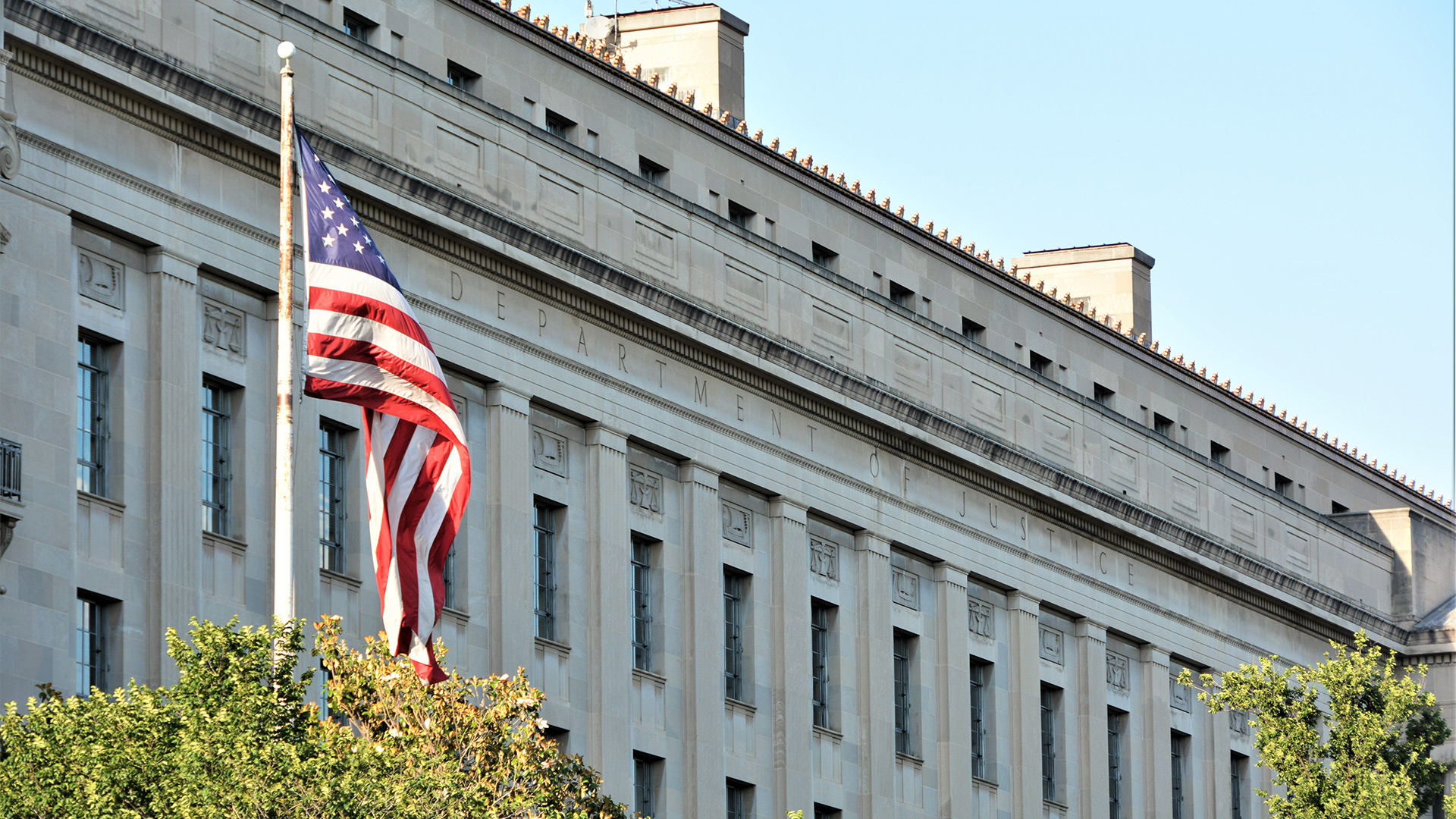
The Justice Department recently announced in a memo that it will review the enforcement of civil rights protections in grants to law enforcement agencies as part of the Biden administration’s efforts to combat systemic racism.

The memo, written by Associate Attorney General Vanita Gupta, said the review will make sure that federal funds are not distributed to law enforcement agencies that “engage in discrimination” in order to enforce civil rights laws.

According to the New York Times, the review could determine which agencies receive federal grants, or could influence the courts to make grant funding conditional on recipients changing their policies or procedures.

By adding conditions to grants and by maintaining civil rights protections in federal funding, the DOJ hopes to promote good behavior in law enforcement agencies.

Gupta said that the purpose of the review is to ensure that civil rights laws are protected in federal grant programs.

“The Civil Rights Act’s Title VI guarantees equal opportunity and full participation in federally-funded programs,” Gupta said. “By launching a departmentwide initiative to enhance our administration of these laws, we will help ensure that grant recipients provide that opportunity.”

Gupta cited two laws — Title VI of the Civil Rights Act of 1964 and the Omnibus Crime Control and Safe Streets Act of 1968 — that prohibit racial discrimination in law enforcement agencies that receive federal funds.

The laws are “critical tools in achieving the government’s obligation to ensure that public funds are not being used to finance illegal discrimination,” Gupta wrote.

The Times found that approximately $4.5 billion in federal funding goes to police departments, courts and correctional facilities, in addition to victim services groups, research organizations and nonprofits.

All of these organizations — not just police departments — could be affected by the review as the Biden administration makes civil rights enforcement a priority.

The review could further change how organizations receive grant money and how the government oversees federal funding in general.

The DOJ, meanwhile, has requested a budget increase to $7 billion for the next fiscal year, which leaves a lot of money at stake for law enforcement agencies undergoing this review.

As part of the review, the Justice Department’s grant distributors will examine its criteria for conducting compliance reviews, and opening or closing complaint investigations.

They will also recommend ways to strengthen data collection and reporting efforts by grant recipients, and will find ways to coordinate the work of grant distributors and those who enforce the law, as well as adding conditions in grants.

Categories: Policy Tags: civil rights protections, review, grants, Vanita Gupta, Biden administration, memo, discrimination, systemic racism, Law Enforcement, Justice Department

Primary Sidebar

Recent Articles

  • Nervous system regulation
  • Navigating danger
  • The nature of the job
  • Forty heroes: United Airlines Flight 93
  • Why you should lead from 30,000 feet
  • Promoting organizational wellness
  • Critical thinking in police training
  • Public perception and trust
  • Labor release under fire
  • Reminder: Apply now for the 2026 Destination Zero Awards

Footer

Our Mission
To serve as a trusted voice of the nation’s law enforcement community, providing informative, entertaining and inspiring content on interesting and engaging topics affecting peace officers today.

Contact us: info@apbweb.com | (800) 234-0056.

  • Facebook
  • Instagram
  • Twitter

Categories

  • Editor’s Picks
  • On the Job
  • Labor
  • Tech
  • Training
  • Policy
  • Health/Wellness
  • Community
  • Offbeat
  • We Remember
  • Jobs and Careers
  • Events

Editor’s Picks

Liability challenges in contemporary policing

Liability challenges in contemporary policing

February 27, 2026

When performance reviews are a waste of time

When performance reviews are a waste of time

February 26, 2026

Proactive wellness visits

Proactive wellness visits

February 25, 2026

Taking a page from Toyota’s playbook

Taking a page from Toyota’s playbook

February 23, 2026

Policies | Consent Preferences | Copyright © 2026 APB Media, LLC | Website design, development and maintenance by 911MEDIA

Open

Subscribe

Close

Receive the latest news and updates from American Police Beat directly to your inbox!

  • This field is for validation purposes and should be left unchanged.