• Skip to primary navigation
  • Skip to main content
  • Skip to primary sidebar
  • Skip to footer
  • Home
  • About
  • The Magazine
  • Events
  • Partners
  • Products
  • Contact
  • Jobs and Careers
  • Advertise
  • Facebook
  • Instagram
  • Twitter
  • Subscribe
American Police Beat

American Police Beat Magazine

Law Enforcement Publication

  • Home
  • Leadership
    • Understanding the boundaries of professional relationships with the...
      Why you should lead from 30,000 feet
      Public perception and trust
      When performance reviews are a waste of time
      Taking a page from Toyota’s playbook
  • Topics
    • Leadership
      • Understanding the boundaries of professional relationships with the...
        Why you should lead from 30,000 feet
        Public perception and trust
        When performance reviews are a waste of time
        Taking a page from Toyota’s playbook
    • Editor’s Picks
      • Let’s get moving!
        Heroes of the World Trade Center
        The Promise Gap
        Corruption, collusion and impunity
        Liability challenges in contemporary policing
    • On the Job
      • Frankpledge to forensics: A brief history of law enforcement
        Villains and heroes in the Big Apple
        Right place, right time — again
        Some good news on crime
        Mom-to-be named Cop of the Year
    • Labor
      • The Promise Gap
        Cut the cops, save a dollar?
        Labor release under fire
        Who’s watching the watchmen?
        Crime and punishment (or lack thereof) in Seattle
    • Tech
      • New Mexico license plate readers save lives, lead to “precise...
        A modern field guide to understanding research in policing
        Gear that moves with you
        A new breed of cop car
        The future of patrol is here
    • Training
      • Pushback as a training signal
        Let’s get moving!
        The five minutes before the ambulance
        Navigating danger
        Critical thinking in police training
    • Policy
      • Corruption, collusion and impunity
        E-bikes spark public safety concerns
        Try racing without wheels
        Law enforcement accreditation: Why it matters
        Liability challenges in contemporary policing
    • Health/Wellness
      • Addressing stress, vicarious trauma and burnout
        Nervous system regulation
        The nature of the job
        Promoting organizational wellness
        Telling cops to get more sleep isn’t working
    • Community
      • Improving autism awareness
        Shop with a Cop
        Community engagement: What is it moving forward?
        Contradictory crossroads
        Back-to-school season brings out police support nationwide
    • Offbeat
      • An unexpected burglar
        Police humor only a cop would understand
        Not eggzactly a perfect heist
        Pizza … with a side of alligator?
        Wisconsin man charged with impersonating Border Patrol agent twice in...
    • We Remember
      • Heroes of the World Trade Center
        Forty heroes: United Airlines Flight 93
        The Pentagon
        A nation propelled to war, lives changed forever
        A Christmas loss
    • HOT Mail
      • The War on Cops Continues Unabated
  • On the Job
    • Frankpledge to forensics: A brief history of law enforcement
      Villains and heroes in the Big Apple
      Right place, right time — again
      Some good news on crime
      Mom-to-be named Cop of the Year
  • Labor
    • The Promise Gap
      Cut the cops, save a dollar?
      Labor release under fire
      Who’s watching the watchmen?
      Crime and punishment (or lack thereof) in Seattle
  • Tech
    • New Mexico license plate readers save lives, lead to “precise...
      A modern field guide to understanding research in policing
      Gear that moves with you
      A new breed of cop car
      The future of patrol is here
  • Training
    • Pushback as a training signal
      Let’s get moving!
      The five minutes before the ambulance
      Navigating danger
      Critical thinking in police training
  • Policy
    • Corruption, collusion and impunity
      E-bikes spark public safety concerns
      Try racing without wheels
      Law enforcement accreditation: Why it matters
      Liability challenges in contemporary policing
  • Health/Wellness
    • Addressing stress, vicarious trauma and burnout
      Nervous system regulation
      The nature of the job
      Promoting organizational wellness
      Telling cops to get more sleep isn’t working
  • Community
    • Improving autism awareness
      Shop with a Cop
      Community engagement: What is it moving forward?
      Contradictory crossroads
      Back-to-school season brings out police support nationwide
  • Offbeat
    • An unexpected burglar
      Police humor only a cop would understand
      Not eggzactly a perfect heist
      Pizza … with a side of alligator?
      Wisconsin man charged with impersonating Border Patrol agent twice in...
  • We Remember
    • Heroes of the World Trade Center
      Forty heroes: United Airlines Flight 93
      The Pentagon
      A nation propelled to war, lives changed forever
      A Christmas loss
  • HOT Mail
    • The War on Cops Continues Unabated
  • About
  • The Magazine
  • Events
  • Partners
  • Products
  • Contact
  • Jobs and Careers
  • Advertise
  • Subscribe
Search

Labor

St. Louis officers can now work overtime on dispatch duty to cut down on hold times

APB Team Published March 17, 2022 @ 6:00 am PDT

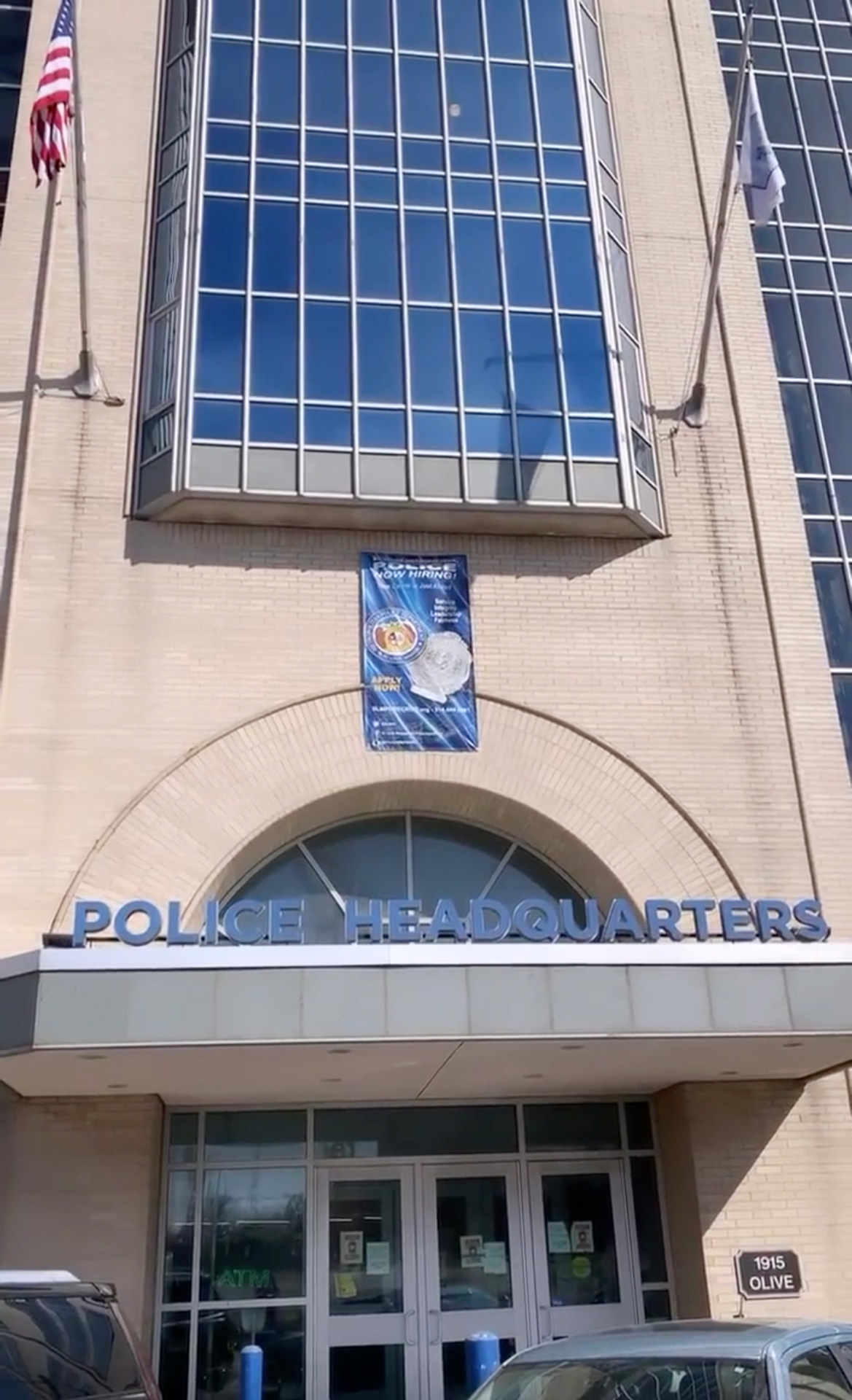
St. Louis Metro P.D.

As St. Louis police dispatchers struggle with manpower shortages and long hold times, the city has decided to give police officers the opportunity to work dispatch duty for overtime pay.

In recent months, nearly 40% of St. Louis callers have been put on hold when calling 9-1-1. Under the new ruling, officers can volunteer to answer those calls.

The St. Louis Police Department said that 10 new graduates from the St. Louis Police Academy and seven experienced officers have volunteered to undergo a month of dispatch training.

Public safety director Daniel Isom told the St. Louis Post-Dispatch that the department’s police cadets, part of a training program for 18–20-year-olds who are too young to become sworn officers, are also trained in taking dispatch calls.

The proposed solution comes after St. Louis Mayor Tishaura O. Jones promised to reduce 9-1-1 response delays in the city after some callers reported waiting 10 minutes or longer for police to answer calls related to emergencies like fires, break-ins and shootings.

The department stated that its goal is for police dispatchers to respond to 90% of calls in 10 seconds. Over the past six months, their response rate in this time has been around the 60% mark.

The department says the reason for this is understaffing.

According to police officials, 37% of police dispatcher positions are vacant, with only 53 of 84 positions filled. Three management positions are also unfilled.

Isom said that retention has been a problem as experienced dispatchers leave for positions with better pay. He also blamed the job market on a lack of applicants.

“Unfortunately, there’s just a trickle of job applicants coming through,” he said. “It’s not just dispatchers — it’s a product of the job market right now.”

Isom said that police officers volunteering for the job will only take calls on their overtime or when there is an emergency shortage of dispatchers.

However, police union leaders have opposed the plan and called for negotiations.

“As much as the union would like to see the dire crisis in police 9-1-1 staffing addressed, this is not a good solution, and in fact, it’s downright dangerous,” St. Louis Police Officers Association business manager Jeff Roorda wrote in a letter to Director of Personnel Sylvia Donaldson.

Roorda said the plan would be overly costly as officers on overtime dispatch would make three times as much as regular dispatchers make.

“It is inconceivable that the city can find the money to pay police officer overtime after taking a haphazard crash-course on 9-1-1 call taking at a much higher rate than longtime professional complaint evaluators are paid,” Roorda wrote. “If the city has the money to spend on exorbitant overtime wages in order to provide patchwork coverage in the 9-1-1 center, why not just solve this crisis completely, once and for all by paying dispatchers and complaint evaluators competitive wages?”


Categories: Labor Tags: 911 calls, Tishaura Jones, St. Louis, overtime, emergency, dispatcher, staff shortage, response time, volunteer, dispatch duty

Primary Sidebar

Recent Articles

  • Frankpledge to forensics: A brief history of law enforcement
  • Pushback as a training signal
  • Let’s get moving!
  • Heroes of the World Trade Center
  • The Promise Gap
  • Corruption, collusion and impunity
  • The five minutes before the ambulance
  • New Mexico license plate readers save lives, lead to “precise policing”
  • Addressing stress, vicarious trauma and burnout
  • Understanding the boundaries of professional relationships with the boss

Footer

Our Mission
To serve as a trusted voice of the nation’s law enforcement community, providing informative, entertaining and inspiring content on interesting and engaging topics affecting peace officers today.

Contact us: info@apbweb.com | (800) 234-0056.

  • Facebook
  • Instagram
  • Twitter

Categories

  • Editor’s Picks
  • On the Job
  • Labor
  • Tech
  • Training
  • Policy
  • Health/Wellness
  • Community
  • Offbeat
  • We Remember
  • Jobs and Careers
  • Events

Editor’s Picks

Let’s get moving!

Let’s get moving!

April 27, 2026

Heroes of the World Trade Center

Heroes of the World Trade Center

April 24, 2026

The Promise Gap

The Promise Gap

April 22, 2026

Corruption, collusion and impunity

Corruption, collusion and impunity

April 21, 2026

Policies | Consent Preferences | Copyright © 2026 APB Media, LLC | Website design, development and maintenance by 911MEDIA

Open

Subscribe

Close

Receive the latest news and updates from American Police Beat directly to your inbox!

  • This field is for validation purposes and should be left unchanged.