• Skip to primary navigation
  • Skip to main content
  • Skip to primary sidebar
  • Skip to footer
  • Home
  • About
  • The Magazine
  • Events
  • Partners
  • Products
  • Contact
  • Jobs and Careers
  • Advertise
  • Facebook
  • Instagram
  • Twitter
  • Subscribe
American Police Beat

American Police Beat Magazine

Law Enforcement Publication

  • Home
  • Leadership
    • Perpetual recognition of line-of-duty deaths
      Understanding the boundaries of professional relationships with the...
      Why you should lead from 30,000 feet
      Public perception and trust
      When performance reviews are a waste of time
  • Topics
    • Leadership
      • Perpetual recognition of line-of-duty deaths
        Understanding the boundaries of professional relationships with the...
        Why you should lead from 30,000 feet
        Public perception and trust
        When performance reviews are a waste of time
    • Editor’s Picks
      • Let’s get moving!
        Heroes of the World Trade Center
        The Promise Gap
        Corruption, collusion and impunity
        Liability challenges in contemporary policing
    • On the Job
      • Testing the waters — literally
        Frankpledge to forensics: A brief history of law enforcement
        Villains and heroes in the Big Apple
        Right place, right time — again
        Some good news on crime
    • Labor
      • The Promise Gap
        Cut the cops, save a dollar?
        Labor release under fire
        Who’s watching the watchmen?
        Crime and punishment (or lack thereof) in Seattle
    • Tech
      • New Mexico license plate readers save lives, lead to “precise...
        A modern field guide to understanding research in policing
        Gear that moves with you
        A new breed of cop car
        The future of patrol is here
    • Training
      • Pushback as a training signal
        Let’s get moving!
        The five minutes before the ambulance
        Navigating danger
        Critical thinking in police training
    • Policy
      • Police pause license plate readers
        Corruption, collusion and impunity
        E-bikes spark public safety concerns
        Try racing without wheels
        Law enforcement accreditation: Why it matters
    • Health/Wellness
      • Addressing stress, vicarious trauma and burnout
        Nervous system regulation
        The nature of the job
        Promoting organizational wellness
        Telling cops to get more sleep isn’t working
    • Community
      • Improving autism awareness
        Shop with a Cop
        Community engagement: What is it moving forward?
        Contradictory crossroads
        Back-to-school season brings out police support nationwide
    • Offbeat
      • An unexpected burglar
        Police humor only a cop would understand
        Not eggzactly a perfect heist
        Pizza … with a side of alligator?
        Wisconsin man charged with impersonating Border Patrol agent twice in...
    • We Remember
      • A Tribute to Fallen Heroes
        Markers of service and remembrance
        Tragedy strikes Baker to Vegas
        Heroes of the World Trade Center
        Forty heroes: United Airlines Flight 93
    • HOT Mail
      • The War on Cops Continues Unabated
  • On the Job
    • Testing the waters — literally
      Frankpledge to forensics: A brief history of law enforcement
      Villains and heroes in the Big Apple
      Right place, right time — again
      Some good news on crime
  • Labor
    • The Promise Gap
      Cut the cops, save a dollar?
      Labor release under fire
      Who’s watching the watchmen?
      Crime and punishment (or lack thereof) in Seattle
  • Tech
    • New Mexico license plate readers save lives, lead to “precise...
      A modern field guide to understanding research in policing
      Gear that moves with you
      A new breed of cop car
      The future of patrol is here
  • Training
    • Pushback as a training signal
      Let’s get moving!
      The five minutes before the ambulance
      Navigating danger
      Critical thinking in police training
  • Policy
    • Police pause license plate readers
      Corruption, collusion and impunity
      E-bikes spark public safety concerns
      Try racing without wheels
      Law enforcement accreditation: Why it matters
  • Health/Wellness
    • Addressing stress, vicarious trauma and burnout
      Nervous system regulation
      The nature of the job
      Promoting organizational wellness
      Telling cops to get more sleep isn’t working
  • Community
    • Improving autism awareness
      Shop with a Cop
      Community engagement: What is it moving forward?
      Contradictory crossroads
      Back-to-school season brings out police support nationwide
  • Offbeat
    • An unexpected burglar
      Police humor only a cop would understand
      Not eggzactly a perfect heist
      Pizza … with a side of alligator?
      Wisconsin man charged with impersonating Border Patrol agent twice in...
  • We Remember
    • A Tribute to Fallen Heroes
      Markers of service and remembrance
      Tragedy strikes Baker to Vegas
      Heroes of the World Trade Center
      Forty heroes: United Airlines Flight 93
  • HOT Mail
    • The War on Cops Continues Unabated
  • About
  • The Magazine
  • Events
  • Partners
  • Products
  • Contact
  • Jobs and Careers
  • Advertise
  • Subscribe
Search

Labor

Boise Police Department lowers hiring standards to expand applicant pool

APB Team Published August 21, 2022 @ 3:00 pm PDT

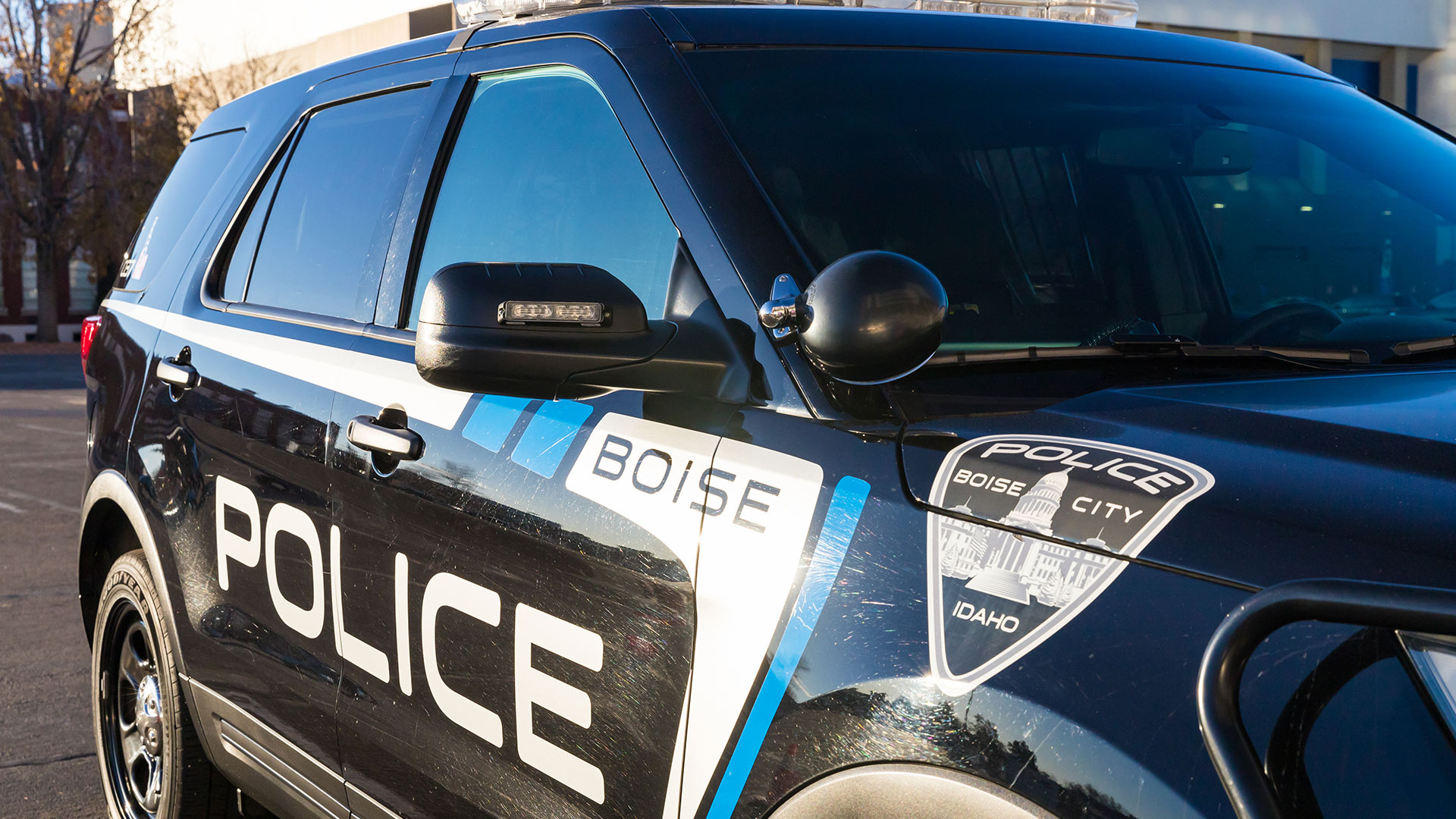
iStock.com/CRobertson

The Boise Police Department has decided to lower its hiring standards to expand the pool of potential candidates while more accurately reflecting the wider community.

It will be easier to become a Boise police officer after the department has eliminated certain educational requirements for applicants.

Previously, the department required that applicants have at least 60 college credits — the amount required for an associate’s degree — to be an eligible candidate.

However, the 2021-founded Training, Education and Development Division (TEDD) felt that this requirement was an unfair barrier to employment.

The division, which aims to provide officers with avenues for education and growth throughout their careers, felt that the initial requirement “limited both the size and ability for the applicant pool to accurately reflect the community.”

They also noted that the Idaho Peace Officers Standards and Training (POST) commission (which certifies officers) does not require college credits to become a licensed police officer.

“While we value higher education, we understand that given different life circumstances, it may not be a viable or logical option for many people to attend college prior to pursuing a police career,” Boise Police Chief Ryan Lee said in a press release.

The policy change comes amid a staffing shortage faced by the department. Officials hope that lowering standards will fill vacancies and give opportunities to aspiring officers who are unable to afford an education.

Boise Police currently has 298 sworn officers, although it is authorized to have 328.

Deputy Chief Tammany Brooks said there are over 100 applicants for entry-level officer positions right now — 12 of whom are lateral officers who want to move to Boise.

“Our recruiting efforts have really paid off, and we’ve seen an increase in applications coming into the police department this year when compared to the previous couple years,” Brooks said.

According to the press release, the department is still “seeing fewer candidates.”

Brooks himself said he is evidence that college credits should not prevent entry-level candidates from getting their foot in the door and having a successful career.

Brooks began his career with just a GED degree — or the equivalent of a high school diploma.

“College was never something that I had really considered,” he said.

He eventually obtained a bachelor’s and master’s degree through continuing education and graduated from several police leadership schools. Now, he hopes to give future officers the same opportunities he had.

“I was fortunate enough to get into this profession without having a college degree, but recognize that there was value in developing myself through my career and obtaining a higher education,” he said. “I sit here today as the deputy chief of police.”

Boise police officials say that applicants will still have to meet certain requirements, such as having a high school diploma and at least three years of full-time employment experience or other relevant life experience. Once hired, the department will assist officers in obtaining the 60 credits over the next five years.

TEDD works with the College of Western Idaho (CWI) to allow officers to get college credits for their academy training and to give officers a higher education either at CWI or Boise State University (BSU) upon transferring.

“Policing is an evolving profession, and we recognize the need to hire people who are willing to adapt and learn along the way. During our hiring process, we want to equally value someone who attended college and someone whose eagerness to provide or explore took them in a direction other than college,” Chief Lee added.

Deputy Chief Brooks said that officers are also paid while training at the academy over those 26 weeks. After graduating, cadets continue their training in the field for four to six weeks.

New officers earn about $56,000 a year.

Brooks said that the priority when hiring a police officer is their character and not necessarily their credentials.

“Our priority needs to be placed on the content of someone’s character, and ensuring that the people that we’re hiring have strong moral fiber and high ethical values and that we can train them through the police academy and through ongoing continual training to be a police officer,” he said.


Categories: Labor Tags: Ryan Lee, training, police academy, staffing shortage, education, Boise Police Department, hiring standards, college credits, applicants, Education and Development

Primary Sidebar

Recent Articles

  • Perpetual recognition of line-of-duty deaths
  • A Tribute to Fallen Heroes
  • NLEOMF Fund announces March 2026 Officers of the Month
  • Markers of service and remembrance
  • Testing the waters — literally
  • Police pause license plate readers
  • Tragedy strikes Baker to Vegas
  • Frankpledge to forensics: A brief history of law enforcement
  • Pushback as a training signal
  • Let’s get moving!

Footer

Our Mission
To serve as a trusted voice of the nation’s law enforcement community, providing informative, entertaining and inspiring content on interesting and engaging topics affecting peace officers today.

Contact us: info@apbweb.com | (800) 234-0056.

  • Facebook
  • Instagram
  • Twitter

Categories

  • Editor’s Picks
  • On the Job
  • Labor
  • Tech
  • Training
  • Policy
  • Health/Wellness
  • Community
  • Offbeat
  • We Remember
  • Jobs and Careers
  • Events

Editor’s Picks

Let’s get moving!

Let’s get moving!

April 27, 2026

Heroes of the World Trade Center

Heroes of the World Trade Center

April 24, 2026

The Promise Gap

The Promise Gap

April 22, 2026

Corruption, collusion and impunity

Corruption, collusion and impunity

April 21, 2026

Policies | Consent Preferences | Copyright © 2026 APB Media, LLC | Website design, development and maintenance by 911MEDIA

Open

Subscribe

Close

Receive the latest news and updates from American Police Beat directly to your inbox!

  • This field is for validation purposes and should be left unchanged.