Editor’s note: This is part 1 of a nine-part series reflecting on the September 11, 2001, terror attacks ahead of their 25th remembrance this year. Retired Port Authority Police Officer Bobby Egbert, a 9/11 first responder veteran, examines the lasting impact the attacks had on the law enforcement profession and the ways our country and world were changed forever.
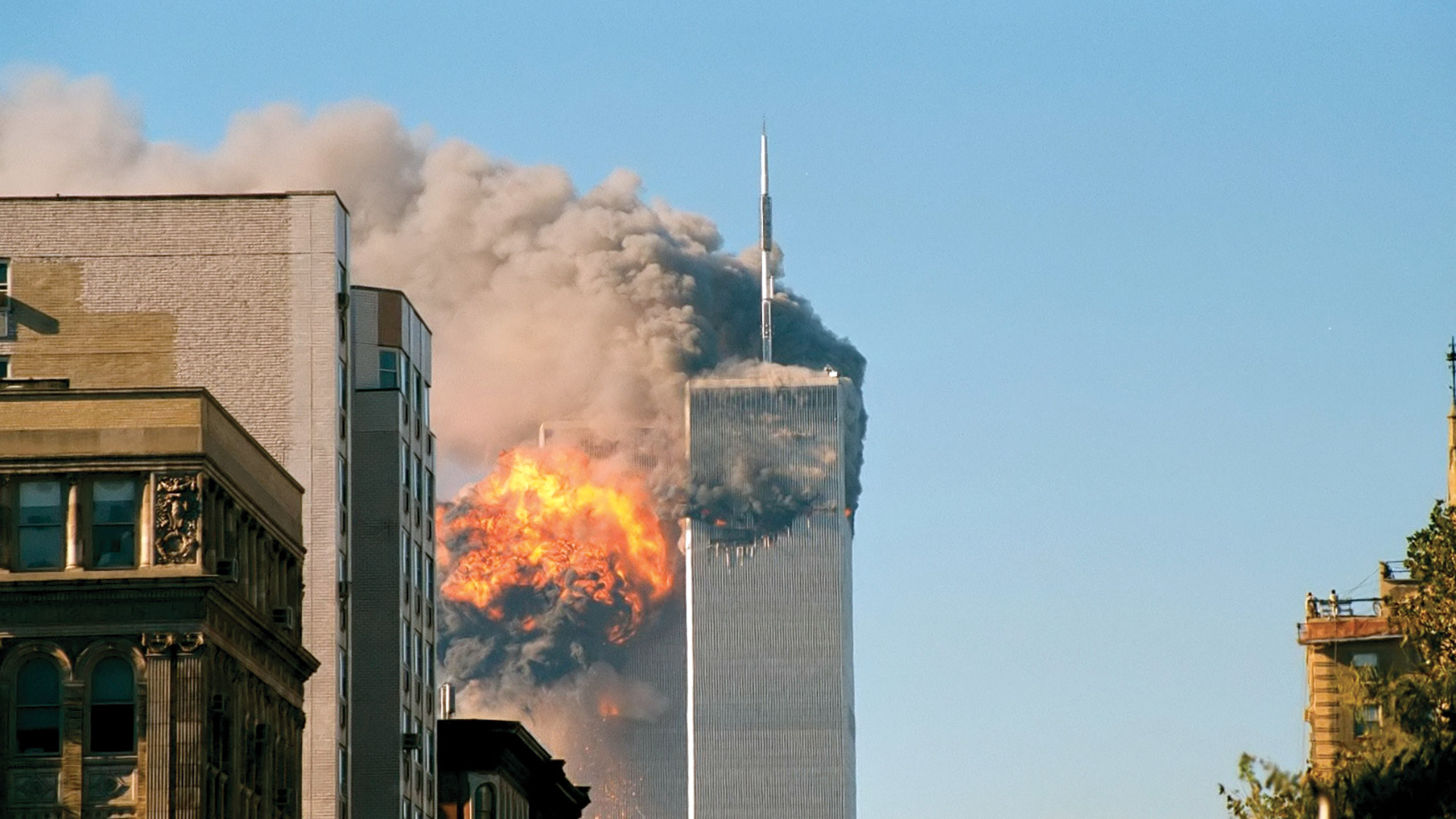
January 2026 is a bit more than eight months until the 25th remembrance of the September 11, 2001, attacks on the U.S. — a day in which 2,977 people were killed on American soil. The deadliest day in U.S. history.
The attacks targeted our nation’s financial center, military headquarters and the center of American government by those who declared, “Death to America!” America was at war.
The first battles of what became the Global War on Terrorism were fought by cops, firefighters, first responders, military personnel and civilians at the World Trade Center and the Pentagon and by the courageous passengers aboard United Airlines Flight 93, in the skies over Pennsylvania. Selfless sacrifices that saved thousands of lives.
To put the rescue at the World Trade Center into perspective — often referred to as the greatest rescue in American history — of the 2,753 people who were killed in that attack, 1,974 were killed on the impact floors of both towers prior to first responders arriving. Of the remaining 779 fatalities, many were workers in the towers who refused to leave and joined the 415 first responders who perished so others may live. The average daily population of the World Trade Center campus was reported to be approximately 50,000. The actions of those 415 first responders and selfless civilians who perished allowed the majority of people in the towers to live.
In Arlington County, Virginia, the Arlington County Fire and Police Departments, the Pentagon Force Protection Agency, the military and many other federal and local agencies responded to the Pentagon and courageously, without thought of their safety, entered the burning ruins to rescue many of the 22,000 people who populated the Pentagon. And, just like the horror in New York, many military and civilian Pentagon personnel stayed in the massive building and helped people to safety. Sadly, 184 people, including 55 military members and 59 passengers aboard American Airlines Flight 77, lost their lives.
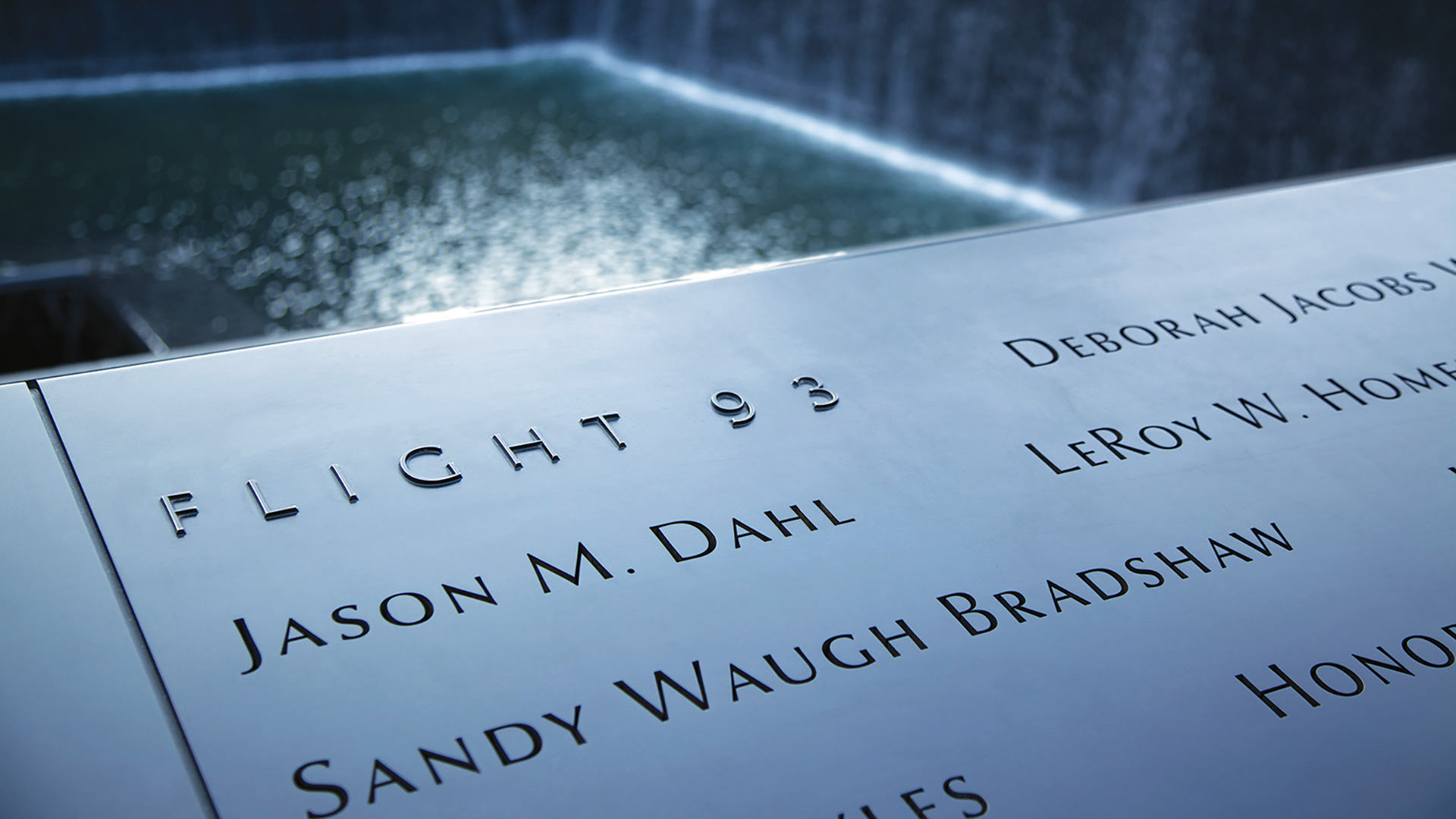
On United Airlines Flight 93, the passengers answered the clarion call, “Let’s roll,” rising in extraordinary heroism to deny the terrorists their plans to attack the U.S. Capitol Building or the White House. Ordinary citizens determined to defeat evil. All aboard Flight 93 perished as the aircraft was brought down on a field in Shanksville, Pennsylvania.
The heroes of that day did not hesitate to act — just like the young men and women who said, “I can do something about this.” And they did. Approximately 6,951 U.S. military members never returned from the Global War on Terrorism.
How did this happen?
Yes, America was a target of those with grievances against our policies and way of life. Those were well known. But to defend against an enemy, you need to know your enemy.
In the film The Godfather II, character Michael Corleone said of his adversaries, “Keep your friends close, but your enemies closer.” A solid piece of advice for the American intelligence community.
The 9/11 Commission found that American intelligence agencies failed to share important information that may have allowed them to understand and anticipate the actions of an enemy consumed with an evil, twisted ideology, emotionally fraught in its history of hatred of our country. That failure quite possibly led to the damn-near-perfect planning and execution of the terror plot on that beautiful, horrible morning.
The fact that national news outlets had photographs of the 19 hijackers very soon after the attacks should raise an obvious question: How could that be when the hijackers’ actions resulted in their deaths and likely the incineration of their bodies? What agency or agencies were able to identify the hijackers so quickly? It is certainly not a stretch to say that the hijackers were known prior to the attacks.
The failure to interrupt the terrorists’ desire to use America’s civil aviation as their air force changed the lives we once knew.
The attacks were not a failure of airport screening, which had been successful for many years. Yet the Transportation Security Administration (TSA) was created to replicate that work. Though the process of passenger and luggage screening is warranted, TSA has employed practices that prohibit everything you can use to protect yourself, fellow passengers and the aircraft. The terrorists know that and probably consider it a victory.
While civil aviation still remains our safest form of travel, don’t ever think those who want to do harm to America will not again try to weaponize our aviation system. The difference now is that if they attempt another attack, they will not walk through TSA. Hopefully, the intelligence agencies are relentless in preventing what has become known as “the insider threat.”
Allowing fear to control is tantamount to surrender. Like a malignant cancer that needs to be killed at its root, threats to our nation and people should be eliminated by effective intelligence and decisive actions of overwhelming violence. It’s not in many people’s appetites, but it’s needed.
In the months following September 11, cops, firefighters and all first responders were venerated and celebrated. As a nation, we rose up at home and abroad to protect our people and homeland. We cannot forget what happened to us — the losses, the sacrifices, the horror, the sadness and our resolute and unwavering determination to prevail.
As the saying “Never Forget” fades from memories, ask yourself: Are we in danger of returning to the complacent mindset we had on September 10, 2001?

Bobby Egbert
As seen in the January 2026 issue of American Police Beat magazine.
Don’t miss out on another issue today! Click below: