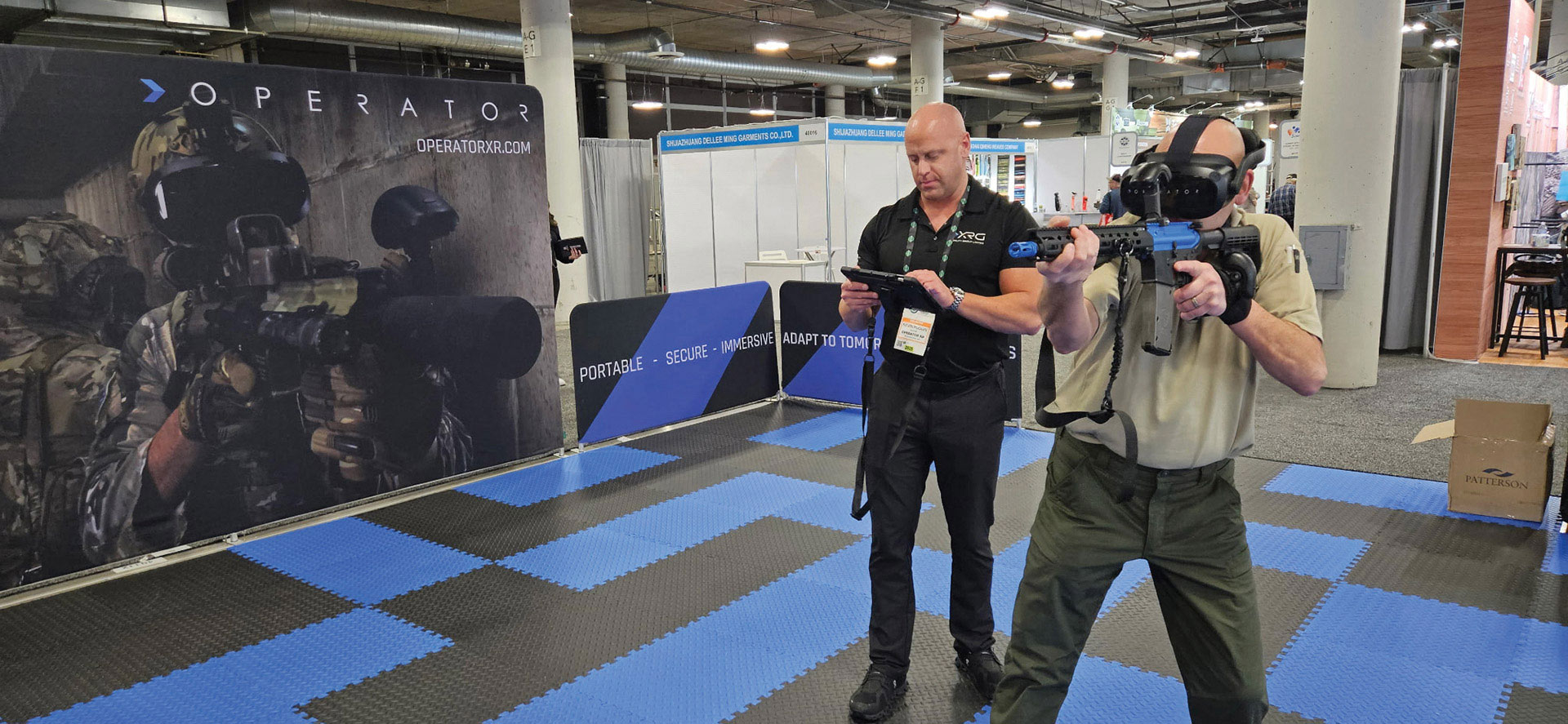
The past 30 years have seen a revolution in law enforcement training. Rudimentary scenario training quickly evolved into computer-based scenario training. The use of inert weapons during scenarios progressed to marking cartridges and airsoft guns. Traditional classrooms changed to online, making training more convenient for those of us working nights and weekends.
As much as things have changed, wait until you see what’s coming next. The past several years have provided a glimpse into the future of law enforcement training. The annual International Law Enforcement Educators and Trainers Association (ILEETA) Conference and Expo, as well as the annual SHOT Show, have highlighted an increasing number of manufacturers providing virtual reality (VR) and augmented reality (AR) training options. Not only are the options increasing rapidly, but the quality of the products is improving exponentially. There is no doubt in my mind that VR/AR technology will revolutionize the way law enforcement officers are trained.
The present
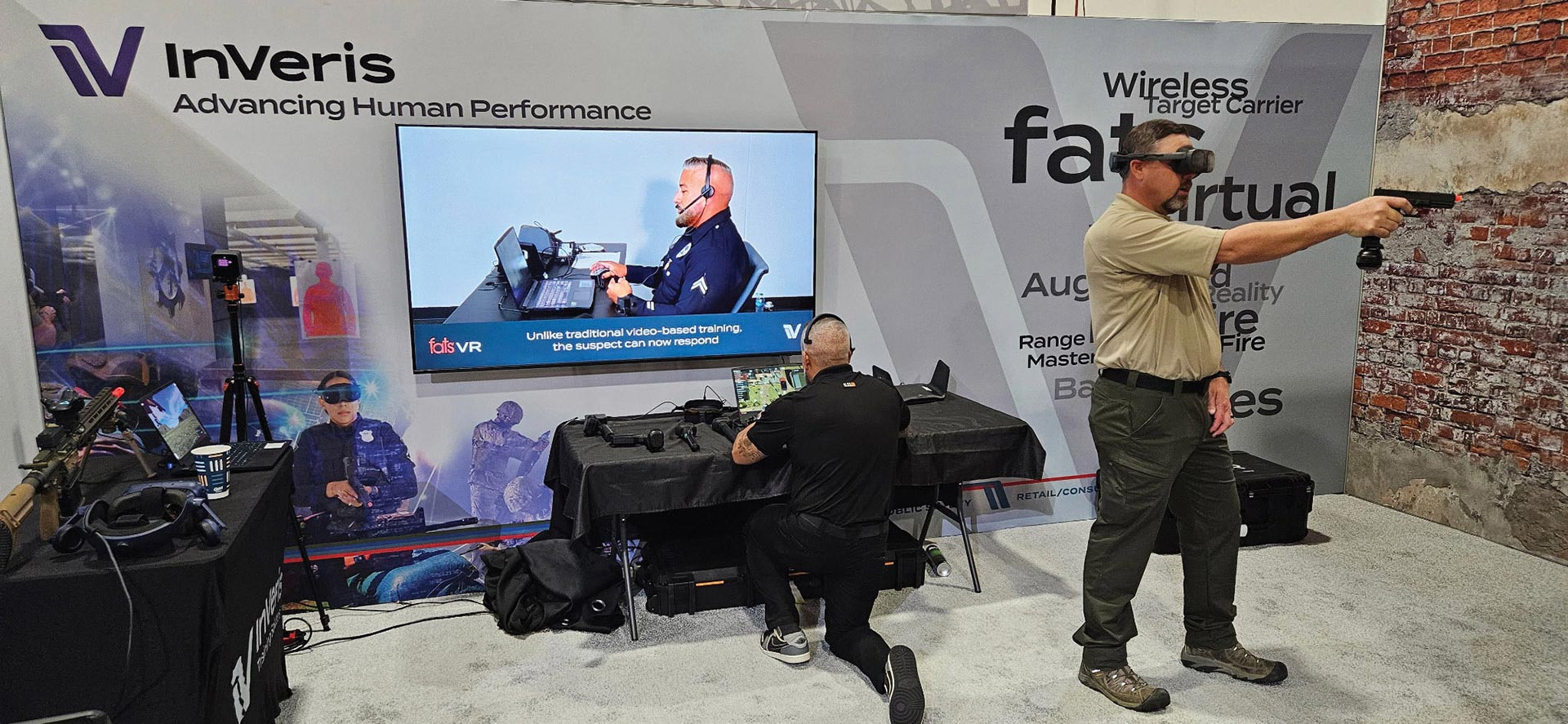
I’m going to irritate a few instructors and curriculum developers here, but current online learning sucks. It may be convenient, but it’s terrible and everyone knows it. The content is frequently the boring stuff that needs to be covered due to policy or some other mandate. You watch a video, answer a couple lame quiz questions and go on to the next section until you’re finished. It’s a passive experience because you’re not engaged. Instead, you’re writing reports, checking email, surfing the internet or doom-scrolling through social media. The person who developed the training, as well as your command staff, doesn’t really care whether you learned anything. They only care about checking the box showing the training was done. There’s an enormous difference between completing training and learning something in the process.
In comparison, VR/AR training systems provide immersive and interactive scenarios in a safe, controlled environment perfect for practicing critical skills and decision-making. This enhances the effectiveness of training while reducing costs, makes training easier and more convenient, and offers instructors more flexibility to create scenarios. VR/AR gives students and instructors the opportunity to interact and engage with other students, characters and instructors. VR/AR training creates an active learning environment where students are required to use critical thinking, apply concepts from training and make decisions that more closely align with real-world incidents.
Currently, the use of VR/AR training is centered on a few topics. Use-of-force decision-making, firearm skills and de-escalation or conflict-resolution training are the central focus of current VR/AR training systems, and it’s easy to understand why. These are high-risk/high-liability topics that tend to dominate the headlines and drive public opinion and perception about law enforcement. Therefore, we need frequent practice and refinement.
The systems
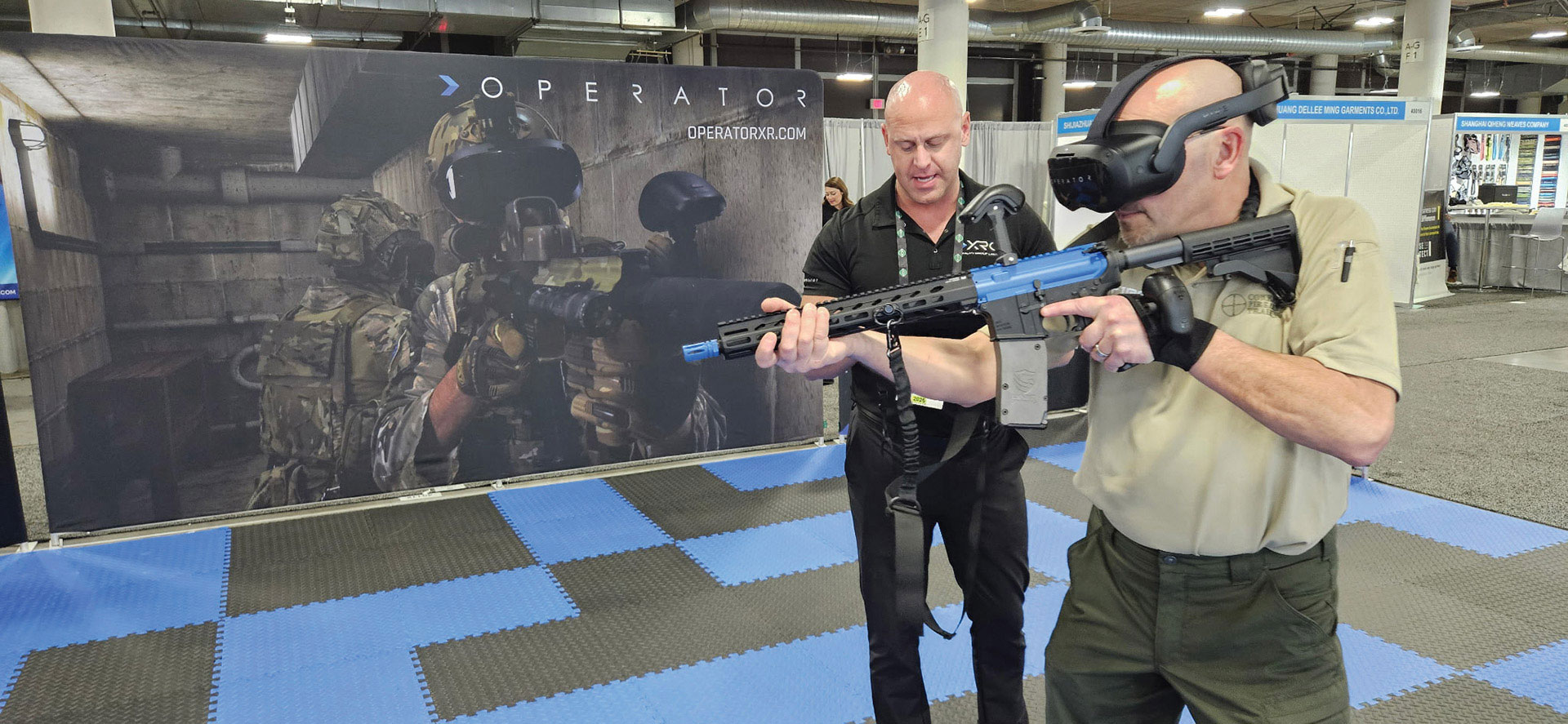
Current VR/AR systems put officers in fully immersive environments with the ability to interact with a variety of subjects. Instructors have nearly limitless branching options, can communicate with students in the voice of the characters on screen, and escalate or de-escalate scenarios based on student actions or learning objectives. Instructors can even tailor scenarios by changing environments from day to night, adjusting weather conditions like rain or sun, and utilizing tools such as flashlights.
The realism of these systems will continue to improve, but even today, some VR/AR systems can blend real envi-ronments, obstacles and live team members with computer-generated imagery (CGI) virtual characters. Created with artificial intelligence (AI) options, VR/AR can be loaded with dynamic characters, including suspects, bystanders and crowds that react to commands and real-time events with lifelike realism.
During scenarios, officers can see their own hands, feet, weapons, teammates and surroundings, as well as CGI elements enabled by the headset and system. Improving the graphics and natural interactions between the user and the subjects in the scenarios will enhance awareness, leading to more realism, improved tactical response and positioning, and a more engaged learning environment.
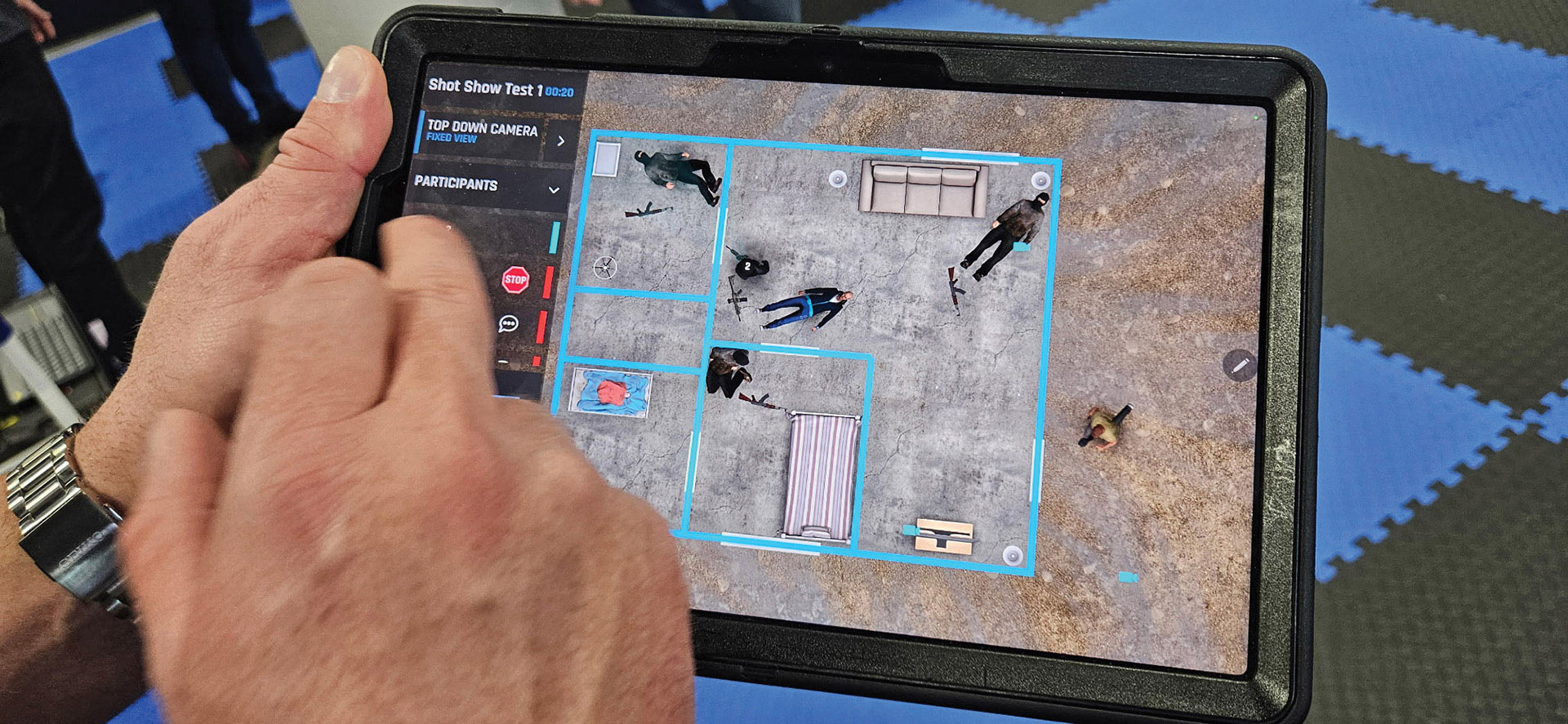
The flexibility and adaptability of VR/AR is also improving. These training systems can provide mission rehearsal options with the ability to sketch building layouts quickly and easily to accurately recreate floor plans. Recreating anything from simple structures to complex facilities ensures officers experience environments like what they encounter in the field.
No system can be considered complete without the ability to conduct thorough scenario debriefings. A VR system provides comprehensive reviews to identify trainee performance areas for improvement. Instructors can debrief the scenario from multiple perspectives, flag events on the timeline for review, assess use of force, review officer commentary and observation skills, evaluate cover and tactics, and analyze trainee viewpoints to see what the trainee saw during the event.
Training tomorrow
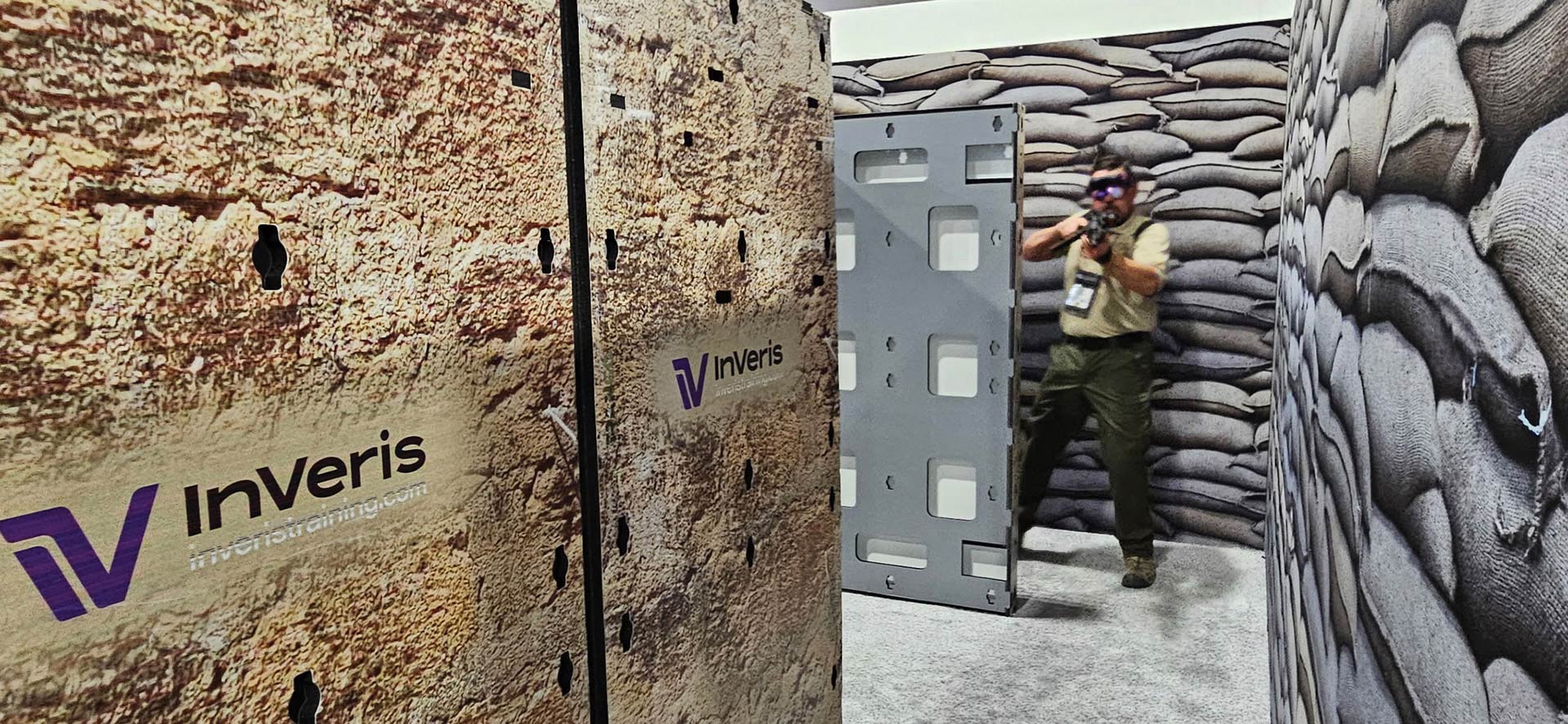
In the not-so-distant future, VR/AR will be the primary means of training. Instead of just use-of-force scenarios or de-escalation training, VR/AR scenarios will cover everything from response and pursuit driving to setting up perimeters around a crime scene. First aid/CPR/TCCC training will be more realistic, incorporating hands-on chest compressions, tourniquet application and tension pneumothorax treatment. A single scenario could integrate numerous officers virtually, responding from various parts of their patrol areas and completing different tasks within the same scenario.
This is the future of training and will make scenario training less siloed and more holistic. It will provide a universal training experience rather than block training of each training discipline (i.e., firearms only or DT only). Instead, all the topics we currently cover in training, and whatever subjects the future holds, could be trained from classroom to practical application using VR/AR technology.
Remember the ridiculously lame online training I mentioned earlier? Instead of being passive learners, VR/AR will create an immersive learning experience, giving officers the information they need and providing them with a virtual environment to put their new knowledge into practice. Functional learning, where officers are actively involved in their own learning process, creates better long-term retention of information and skill development.
Power of convenience
Yet another advantage to the future use of VR/AR training will be a reduced need to travel to classes. A major expense, especially when it comes to instructor-level training, is the cost of hotels, food and other travel expenses. VR/AR technology will reduce those costs by bringing the training to the students.
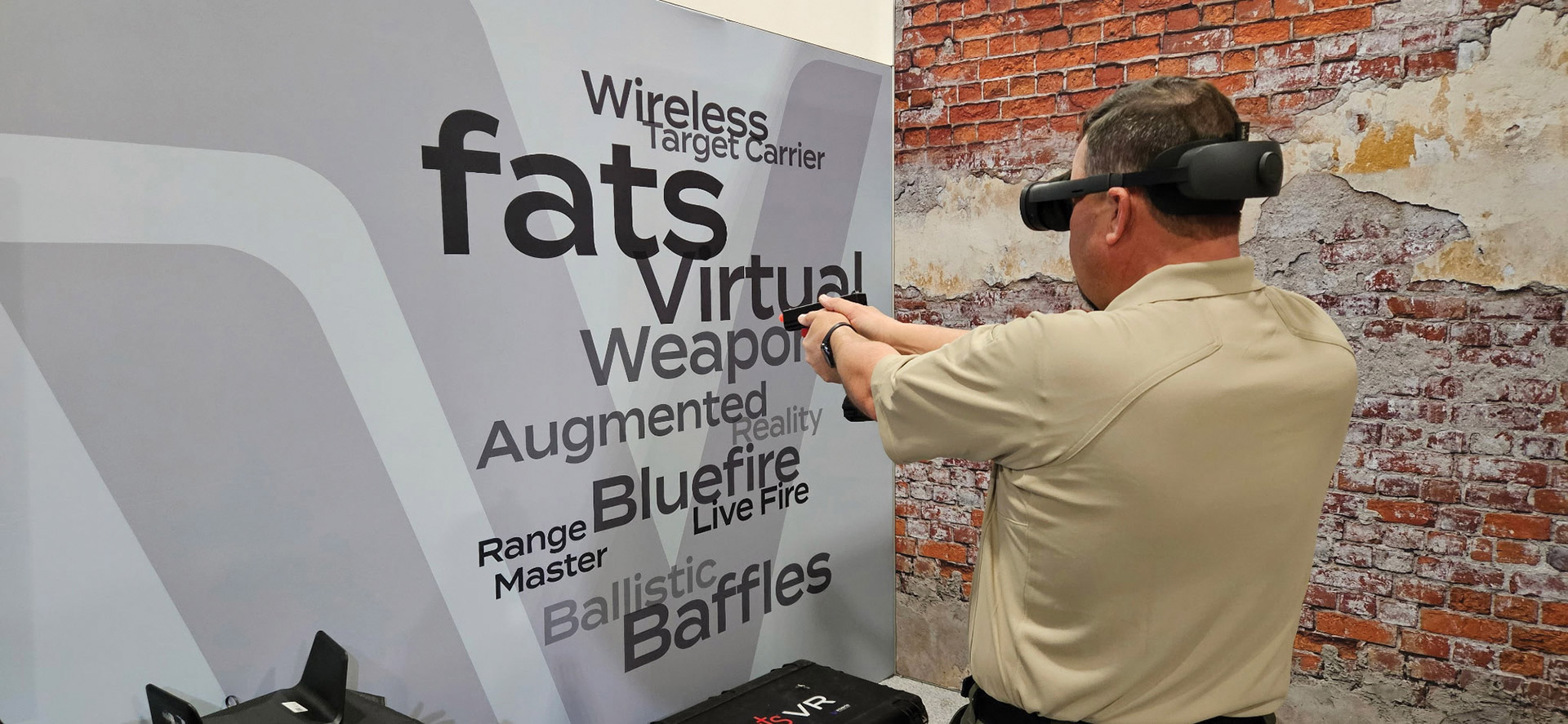
For example, a handgun instructor training course could include the VR/AR classroom sessions, making them much more interactive and immersive compared to the current boring online video and chat format. Even some range sessions could be completed using VR/AR. Coaching, instructor positioning, gear setup, reloading tips and tricks, target transitions and shooting from cover are a small sample of what could be covered using VR/AR technology. This is already being done using ACE Virtual Shooting, and it could be expanded to be even more realistic and interactive soon. Once these topics are covered, the class could meet in real life on the range to get more coach/shooter interaction, present student-designed drills and cover whatever topics remain. Instead of being away for five or more days, it could be reduced to two or three days while covering more information and getting more live-fire range time.
We’re not far from seeing this happen. I still prefer the smell of gun powder on the range compared to the computer world of virtual reality, but there is no escaping the fact that VR/AR offers a more complete approach to training beyond scenarios, use of force and de-escalation. As law enforcement agencies continue to adopt VR/AR technology, the future of police training will result in better long-term learning, more officer engagement and better-trained officers.

Todd Fletcher
As seen in the February 2026 issue of American Police Beat magazine.
Don’t miss out on another issue today! Click below: