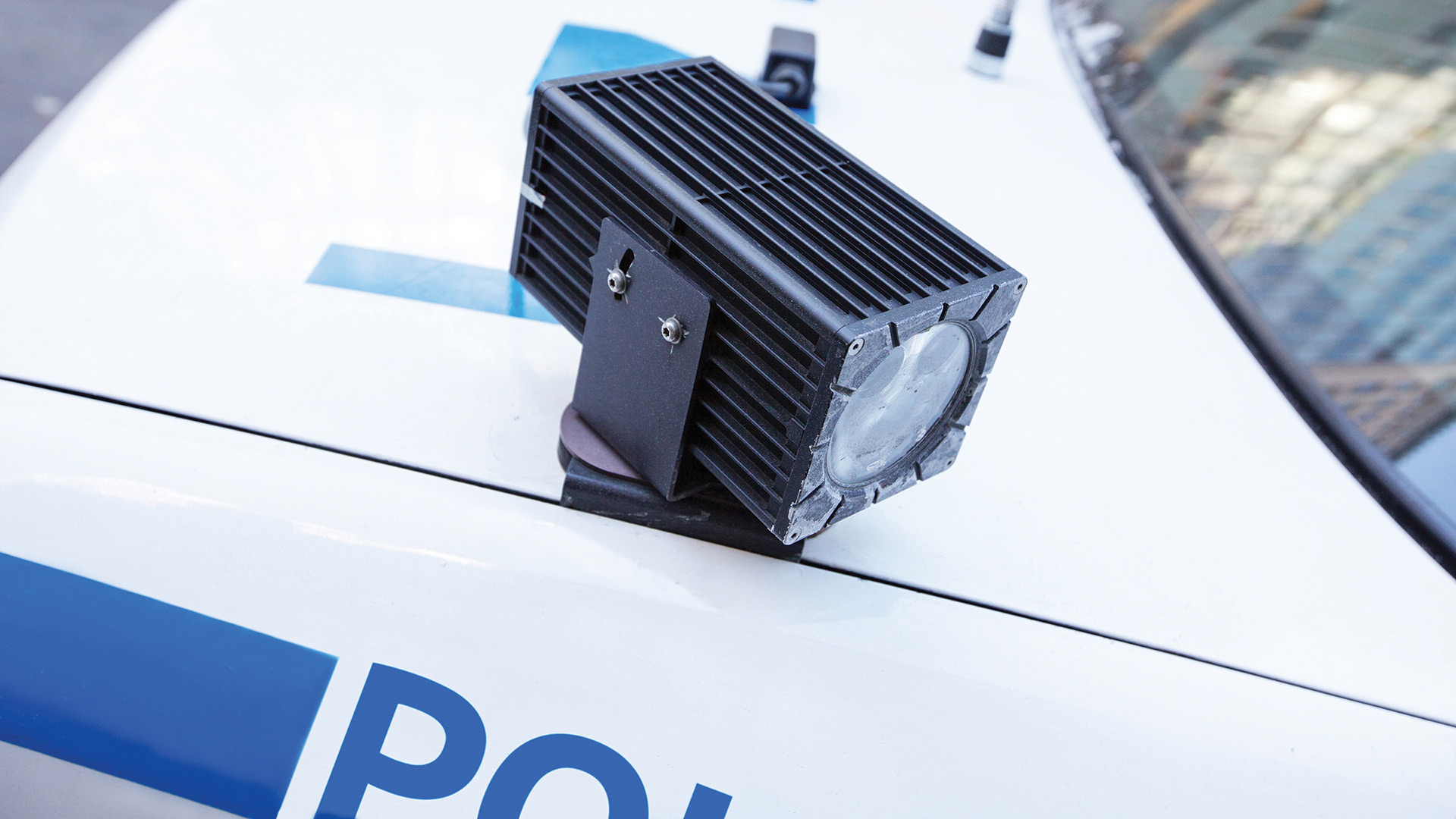
It’s an age-old scene: the seasoned veteran lecturing the eager rookie about how much easier things are now. “I remember back in the old days,” he might say, “when we had to write our reports by hand. We didn’t have computers in the car to do it for us.”
In a strange twist of fate, some veterans in Washington state may soon find themselves telling rookies how much easier it used to be — at least compared with what’s happening now. For some local agencies there, technology is rolling backward. Just as cops had gotten used to automated license plate readers (ALPRs) in their cruiser, they’re now being forced to go back to the old-fashioned method: typing the plates in by hand.
The change stems from recent legislation out of the state’s capital. State Senator Yasmin Trudeau, a Democrat from Tacoma, introduced the Driver Privacy Act in January. The bill, which was signed into law by Governor Bob Ferguson on March 30, prohibits ALPRs from collecting data near schools, courts, food banks, places of worship or facilities handling immigration matters. It also bars officers from using ALPRs near facilities that provide reproductive or gender-affirming health care.
The new law caught some agencies off guard. The Pierce County Sheriff’s Office had already spent heavily to install around 200 ALPR units on some of its patrol cars. When the legislation came out, they were forced to shut them all off. They aren’t alone: the Seattle Police Department’s more than 400 units were also deactivated, along with those in numerous other agencies across the state.
Trudeau, however, seemed unbothered by the unexpected collateral damage of the bill. “It’s good that it is being exposed to the public,” she told The Seattle Times. “It forces a conversation that is very necessary on whether the community wants mobile [readers] if [law enforcement] can’t comply. They should’ve had this conversation before they mounted them onto their cars.”
As for why the Pierce County Sheriff’s Office or the Seattle P.D. didn’t check with a Tacoma lawmaker before installing the cameras — well, that remains a mystery.
While ALPRs have certainly grown in popularity recently, they’ve technically been around for several decades. Civil rights advocates have occasionally expressed concerns about “big brother” overreach, but the pushback has historically been mild. So why the sudden uproar? The issue now ties closely to immigration enforcement, abortion and transgender rights.
Seattle Councilmember Alexis Mercedes Rinck explained the concern: “I hope we can all agree that we do not want data that is collected through [ALPRs] to be used against our residents for immigration action, reproductive health care or gender-affirming care.” Rinck sponsored a city law requiring that Seattle’s ALPRs be automatically shut off for 60 days if the federal government subpoenas data for any civil immigration matter.
Trudeau’s state law similarly bars public agencies in Washington from using ALPRs for immigration enforcement or sharing the data outside the state, including with federal authorities.
On the bright side, if your agency is in the market for ALPR units, there might be some deals to be had in Washington.
As seen in the May 2026 issue of American Police Beat magazine.
Don’t miss out on another issue today! Click below: