A veteran patrol officer said something to me recently that stuck.
“Chief,” he said, leaning against the hood of his patrol car after a long shift, “I don’t recognize the job anymore.”
He wasn’t complaining. In fact, his tone was more reflective than frustrated. He had simply reached the point many officers eventually do — realizing that the profession he entered years ago has changed dramatically around him.
And he’s right. The technology we carry, the expectations from the communities we serve and the national conversations about policing have all shifted in ways few officers could have predicted when they first pinned on a badge. Modern policing looks very different from what many officers signed up for, even 10 or 15 years ago. The real question is whether we have changed with it.
The officers who are thriving in today’s environment are not the ones rejecting every new idea that comes along, nor are they the ones abandoning the traditions that built the profession. The officers succeeding today are those who have learned how to adapt while holding on to the instincts and practical skills that made them effective cops in the first place.
To understand how we arrived here, it helps to remember how dramatically policing shifted after the September 11 attacks. In the years following that tragedy, law enforcement agencies across the country understandably placed a renewed emphasis on tactical readiness, officer survival and homeland security. Active shooter response training expanded. Patrol rifles appeared in police vehicles. Tactical awareness and survival strategies became central parts of law enforcement culture.
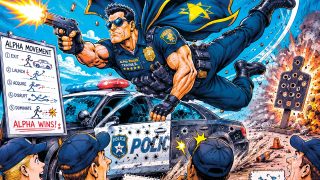
Out of that environment grew what many referred to as the “warrior mindset.” For police officers confronting dangerous and unpredictable situations, that mindset served an important purpose. Officers must be mentally and physically prepared for violence. Every patrol officer knows how quickly a routine call can become life-threatening.
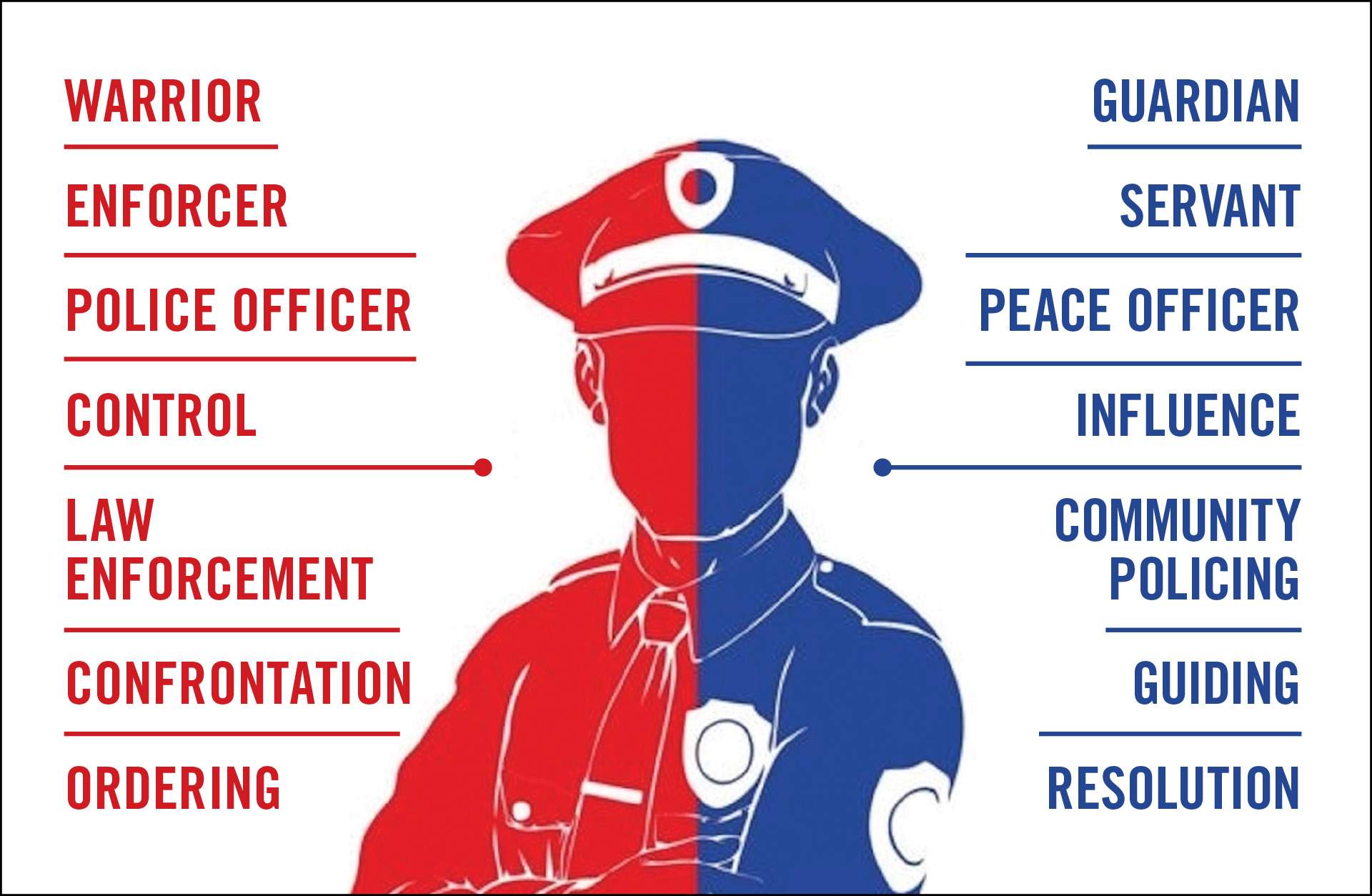
Yet as the years passed, some police leaders began asking whether the profession had tilted too far in one direction. The challenge was never to eliminate the warrior mindset — officer safety will always remain a central priority in policing. The challenge, instead, was maintaining balance.
The profession may be evolving, but the core mission remains the same.
In response, many police leaders began emphasizing what became known as the “guardian mindset,” a concept focused on protecting constitutional rights and building public trust. For officers working patrol, however, the warrior-versus-guardian debate sometimes felt disconnected from the realities of the street.
Any experienced officer understands that, during a single shift, the role can change multiple times. An officer might spend part of the evening calming a domestic dispute, then help a stranded motorist a few hours later, and before the night is over find themselves confronting an armed suspect. Policing has always required officers to shift roles quickly. Officers often must be both protector and problem-solver within the same hour.
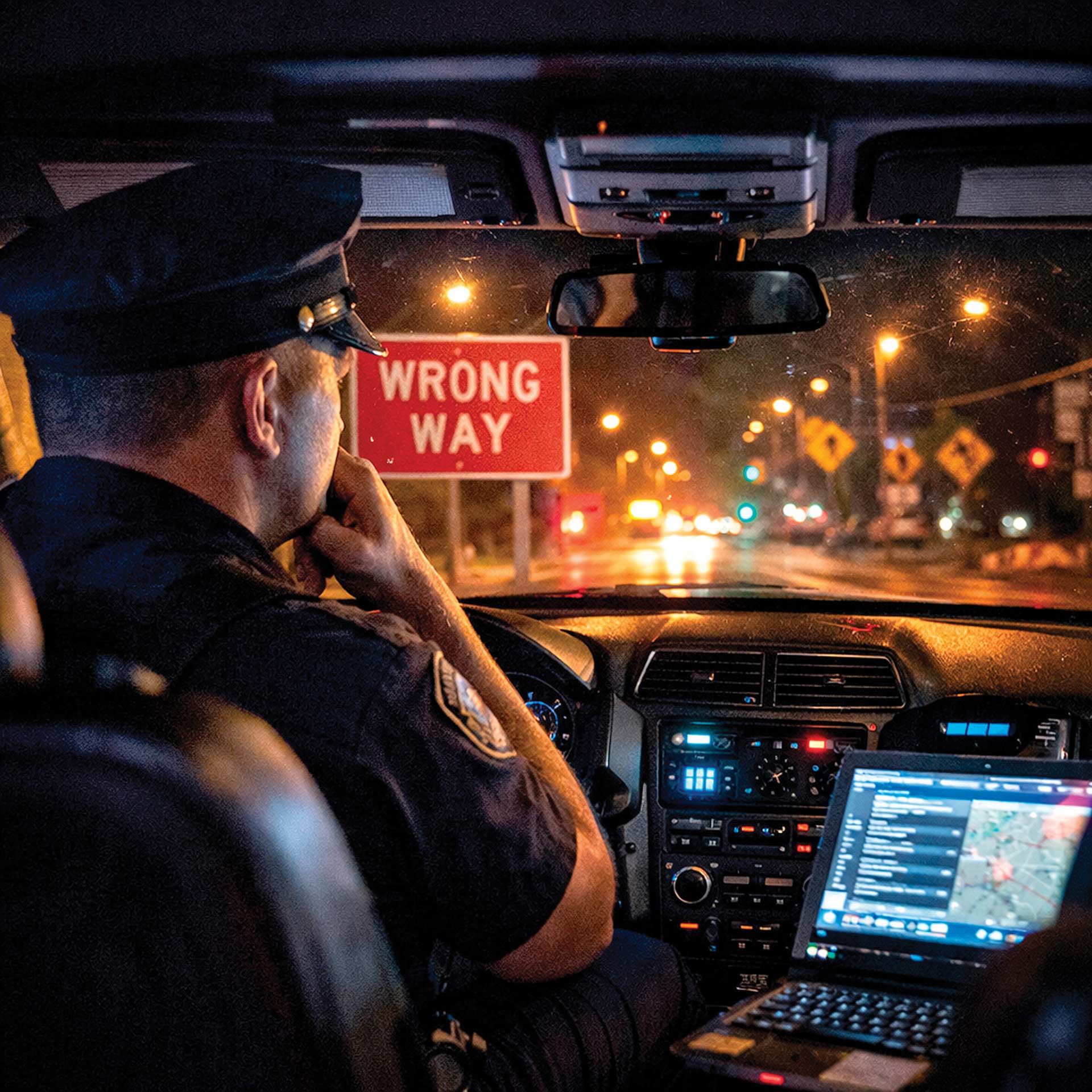
While philosophical debates have continued within policing, another transformation has been happening right inside the patrol car. The modern police vehicle has become a rolling technology platform. Mobile data computers, body-worn cameras, automated license plate readers and digital evidence systems are now standard equipment in many agencies. Investigations increasingly involve analyzing surveillance video, cellphone data and social media activity that simply did not exist 20 years ago.
Another major change affecting officers is something they cannot control — the national spotlight placed on policing. High-profile incidents involving use of force or controversial federal law enforcement actions now dominate national news cycles and social media discussions. Even when those incidents occur hundreds or thousands of miles away, they often influence how citizens view their own local police officers. Local departments frequently find themselves navigating public reactions to events they had no role in.
In that environment, the daily interactions officers have with citizens carry even greater weight. Every traffic stop, every call for service and every casual conversation with a resident contributes to the public’s perception of their police department. This is one reason tools like community surveys, social media communication and public outreach efforts have become increasingly important for modern law enforcement agencies.
In previous decades, some departments viewed these efforts as optional or simply public relations. Today, they are essential mechanisms for maintaining transparency, countering misinformation and building the partnerships that effective policing depends upon.
At the same time, another conversation has quietly emerged within policing that may offer a useful way to bring these ideas together. Organizations such as Police2Peace have begun emphasizing the original meaning behind the title many officers carry: peace officer.
The concept is simple but powerful. Peace officers are not only responsible for enforcing laws and confronting violence; they are also tasked with preserving peace within their communities.
The peace officer framework does not reject the warrior mindset or the guardian concept. Instead, it recognizes that officers must be capable of both. Officers must remain tactically prepared and aware of danger, while also possessing the communication skills and emotional intelligence needed to resolve conflicts before they escalate.
For officers working patrol, this perspective often feels less like a philosophical shift and more like a recognition of what they already do every day. Much of policing involves helping people during difficult moments. Officers routinely respond to domestic disputes, mental health crises, welfare checks, traffic crashes and calls from citizens who simply do not know who else to contact.
Research supports this reality. Studies have shown that a large portion of police calls for service involve service-oriented or problem-solving responses rather than criminal enforcement.
Change fatigue
With so many changes occurring in the profession, it is understandable that officers sometimes experience what could be described as change fatigue. New policies appear, training expectations evolve and innovative technologies constantly surface. At times, it can feel as though the profession is reinventing itself every few years.
Yet despite these shifts, the core fundamentals of good policing remain remarkably consistent. Officers still rely on situational awareness, sound judgment, teamwork and communication skills to navigate the unpredictable challenges of the street.
For officers and sergeants reading this, the most practical question may simply be what all of this means for them personally. Officers who embrace new tools and communication strategies often experience safer encounters and fewer unnecessary confrontations. Community cooperation improves when citizens view officers as approachable professionals rather than distant enforcers.
Just as important, officers who understand the broader impact of their work often rediscover a deeper sense of purpose in the profession.
The future of policing will demand officers who are adaptable, thoughtful and confident in multiple roles. They will maintain the awareness and readiness that officer safety demands. They will protect constitutional rights and treat citizens with professionalism and fairness. And they will understand that much of their daily work involves preserving peace within the communities they serve.
For many officers, that combination may sound complex. But the truth is that most officers are already performing those roles every day without giving it much thought.
The profession may be evolving, but the core mission remains the same.
The job has changed. The question for every officer wearing the badge today is simple: Have you?

Robert Spinks
As seen in the May 2026 issue of American Police Beat magazine.
Don’t miss out on another issue today! Click below: