

High-profile incidents of police suffering often capture national attention, but many cops experience suffering daily in unspoken and invisible ways. This article examines why cops suffer, how to dissociate from physical or emotional pain and what to do when chronic pain becomes unbearable. Nutritional interventions to alleviate suffering will also be shared, including key insights.
High-profile incidents of police suffering
The July 18, 2025, explosion at the Los Angeles Sheriff’s Department training facility killed three veteran deputies — Joshua Kelley-Eklund, Victor Lemus and William Osborn — and left behind their 16 surviving children. The unintentional shooting death of Chicago Police Officer Krystal Rivera during a foot pursuit on June 5, 2025, left her daughter without a mother. The January 6, 2021, Capitol riot resulted in 174 officers injured and four officers later dying by suicide. The North Hollywood shootout on February 28, 1997, left 12 officers injured, many with gunshot wounds. The shooting and killing of Chicago Police Officer Ella French during a traffic stop on August 7, 2021, also resulted in life-changing injuries to her partner, including gunshot wounds and the loss of an eye. The December 23, 2021, ambush shooting of Baltimore Police Officer Keona Holley in her patrol car resulted in her death, leaving her four children and one grandchild without their matriarch. In July 2020, UK Metropolitan Police Sergeant Nick Morley was thrown from a moving vehicle at 50 mph after a routine traffic stop, suffering multiple broken bones and narrowly surviving.
The National Fraternal Order of Police (FOP) reported that 347 officers were shot in the line of duty in 2025; of those, 45 were killed.[1]View the National FOP’s entire Law Enforcement Officers Shot and Killed in the Line of Duty Monthly Update, January 5, 2026, at national.fop.net/shotkilled152026. Research also shows that one officer is shot in every six active shooter events.[2]Blair, J. P., & Duron, A. (2023). How Police Officers Are Shot and Killed During Active Shooter Events: Implications for Response and Training. The Police Journal, 96(3), 411–429. … Continue reading According to the FBI, there were 85,730 assaults on officers in 2024, which amounts to 13.5 out of every 100 officers.[3]Per the FBI’s Uniform Crime Reporting (UCR) Program’s “Officers Killed and Assaulted in the Line of Duty, 2024 Special Report.” The data comes from 11,784 agencies employing 634,770 officers. … Continue reading And the work never stops.
Why cops suffer
Life inevitably entails loss of relationships and the death of loved ones, injuries and illnesses, and natural disasters. We can have negative thoughts about work, relationships and life circumstances. At times, we may become so attached to something that caused upset that we continue to dwell on it. We bear witness to wrongdoing perpetrated against the innocent, and sometimes our minds replay it. We feel social pressures. We sometimes make bad choices. We desire things we do not have and fear losing the things we do have.
Pain plus nonacceptance equals suffering.
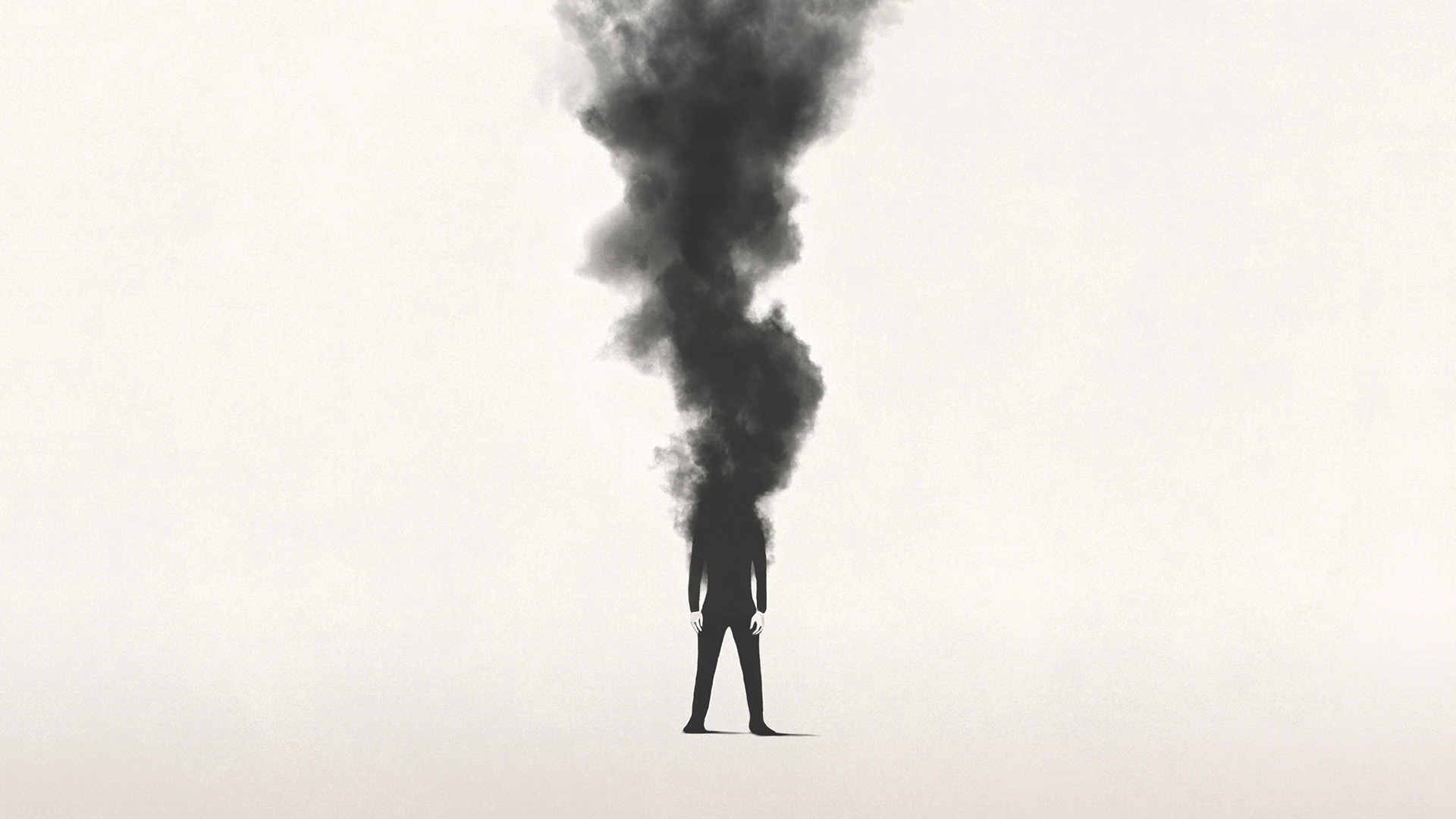
Pain is the physical sensation (the tweaked back, the torn ACL, the rollover TC, the night of overindulging, the end of a relationship, the injured child, the cop who died by suicide). Suffering is the narrative in our minds about that pain (shoulda, coulda, woulda). Control the narrative, and you control the suffering.
How to dissociate from suffering
Cryotherapy leverages the body’s stress response to release endorphins and reduce inflammation. Research shows it can help with physical injuries like a tweaked back or torn ACL, as well as mood disturbances such as anxiety, panic, depression and even suicidal ideation. Massage helps reduce pain and stress through both physical and psychological mechanisms. By manually manipulating tense, tight muscles, massage therapists help release tension, lessen pain and increase blood circulation. Research also shows that this type of bodywork improves mood and sleep.
Box breathing and other breath-control strategies help by forcing the mind to focus simply on breathing in and out. This calms the mind and allows it to let go of and shift focus away from the inner narrative that was causing the suffering. Research also shows sensory grounding is effective during periods of suffering. One example is the 5-4-3-2-1 method. Wherever you are, use your senses right now to identify five things you see, four things you can touch, three things you hear, two things you smell and one thing you taste. Try it now. What did you experience?
This tactic interrupts anxious thoughts by engaging the five senses, redirecting the mind to the present moment wherever you are. It activates the relaxation response and calms the fight-or-flight response. Many other sensory tactics can also help, such as walking barefoot in the sand, lying under a weighted blanket and even sucking on the world’s sourest candy.
What to do when chronic pain is unbearable
If your suffering is unbearable, go to the ER or urgent care now. It does not matter whether you are experiencing physical or psychological distress. On a scale of 0 to 10 (where 0 equals no distress and 10 is the maximum), if you are an 8 or higher, you are in crisis. Go to the doctor now. Call 9-1-1 if needed. You do not deserve to suffer.
Psychological tactics to ease suffering at home include TIPP — temperature, intensive exercise, paced breathing and progressive muscle relaxation. Temperature means cold. Hold ice, literally, until it all melts away. Stick your head in a bowl of ice water, literally, for as long as you can hold your breath. Take a cold plunge and aim to increase your time with each session. Do cryotherapy; it’s a hard reset for the nervous system.
Intensive exercise means vigorous cardio. It is medicine without a prescription. Paced breath control, such as box breathing, works by calming your nervous system and shifting your mental focus. This is why special forces units in different countries use it, even during hostage rescue missions. Progressive muscle relaxation adds more bang for your breath-control buck. There are many other psychological tactics to ease suffering; this is just a quick snapshot.
Nutritional interventions to alleviate suffering
You want your nutritional intake to do for you what your other intentional physical and psychological strategies are doing — namely, reduce inflammation, calm the nervous system, boost mood and improve focus. Generally, consider an anti-inflammatory diet including, berries, leafy greens, olive oil, nuts and fish, along with anti-inflammatory spices such as turmeric, ginger and garlic. Include lean protein, particularly fish high in omega-3s like salmon and tuna, while avoiding saturated and trans fats, and prioritize whole grains over simple carbs.
For chronic physical pain, consider fish oil for rheumatoid arthritis; an elimination diet and a probiotic for fibromyalgia; chondroitin for osteoarthritis; B12 supplementation for diabetic neuropathy; and omega-3s for other neuropathic pain. For mental health, consider fiber-rich and fermented foods to support gut health, and omega-3 supplementation to support brain health. Consider consulting with a dietitian with experience working with your specific condition.
Three key insights
Although the tips above are just a starting point and not an all-inclusive list, take time to reflect on the key insights offered and how they can help you today.
Key insight #1: Pain is a sensation and a signal that something is wrong, and appropriate action is warranted. Suffering, however, is optional.
Key insight #2: Most effective strategies for physical or psychological distress work by reducing inflammation. Inflammation is a primary driver of pain and, when excessive or persistent, chronic disease. This is why ice cold works. This is why massage works. This is why what you eat and drink matters.
Key insight #3: Shift your attention from any unhelpful narrative in your mind — about the pain or anything else — and focus on what you need to be doing right now. Start now. You are worth it!

Dr. Stephanie Barone McKenny
As seen in the March 2026 issue of American Police Beat magazine.
Don’t miss out on another issue today! Click below:
References
| 1 | View the National FOP’s entire Law Enforcement Officers Shot and Killed in the Line of Duty Monthly Update, January 5, 2026, at national.fop.net/shotkilled152026. |
|---|---|
| 2 | Blair, J. P., & Duron, A. (2023). How Police Officers Are Shot and Killed During Active Shooter Events: Implications for Response and Training. The Police Journal, 96(3), 411–429. doi.org/10.1177/0032258X221087827. |
| 3 | Per the FBI’s Uniform Crime Reporting (UCR) Program’s “Officers Killed and Assaulted in the Line of Duty, 2024 Special Report.” The data comes from 11,784 agencies employing 634,770 officers. The FBI defines aggravated assault as “an unlawful attack by one person upon another wherein the offender uses a dangerous weapon or displays it in a threatening manner, or the victim suffers obvious severe or aggravated bodily injury, or where there was a risk for serious injury/intent to seriously injure.” View the full report at tinyurl.com/2udcmzsk. |