
• Skip to primary navigation
  • Skip to main content
  • Skip to primary sidebar
  • Skip to footer
  • Home
  • About
  • The Magazine
  • Events
  • Partners
  • Products
  • Contact
  • Jobs and Careers
  • Advertise
  • Facebook
  • Instagram
  • Twitter
  • Subscribe
American Police Beat

American Police Beat Magazine

Law Enforcement Publication

  • Home
  • Leadership
    • Developing and enhancing assertiveness
      Clarifying your “true north”
      The job has changed — have you?
      Perpetual recognition of line-of-duty deaths
      Understanding the boundaries of professional relationships with the...
  • Topics
    • Leadership
      • Developing and enhancing assertiveness
        Clarifying your “true north”
        The job has changed — have you?
        Perpetual recognition of line-of-duty deaths
        Understanding the boundaries of professional relationships with the...
    • Editor’s Picks
      • Smile and let them swing
        The job has changed — have you?
        The days that follow
        Perpetual recognition of line-of-duty deaths
        Let’s get moving!
    • On the Job
      • Coffee shop intel
        Curbing teen takeovers
        2026 Top Cops
        High-rise rescue in Brooklyn
        Swift thinking
    • Labor
      • Why more staff won’t fix your operational slowdowns
        Drama in Georgia: Mayor fires entire police department for...
        Smile and let them swing
        The Promise Gap
        Cut the cops, save a dollar?
    • Tech
      • The virtual beat
        Training with an AI partner?
        NYC’s electric vehicle fleet for LE passes milestone
        New Mexico license plate readers save lives, lead to “precise...
        A modern field guide to understanding research in policing
    • Training
      • Rules or results?
        Enhance your preparedness
        Good enough never is
        Pushback as a training signal
        Let’s get moving!
    • Policy
      • The impact of the Graham v. Connor decision
        Mexican cartels recruit like industry titans on both sides of the...
        Police and local government leaders join forces to build community...
        Police pause license plate readers
        Corruption, collusion and impunity
    • Health/Wellness
      • Down to divorce
        The days that follow
        Addressing stress, vicarious trauma and burnout
        Nervous system regulation
        The nature of the job
    • Community
      • Working community connections
        Cops promote National Donate Life Month
        Police officer kicks up social media praise
        Donning denim in solidarity with victims and survivors of sexual...
        Improving autism awareness
    • Offbeat
      • “Teenage Mutant Ninja Deer” rescued
        An unexpected burglar
        Police humor only a cop would understand
        Not eggzactly a perfect heist
        Pizza … with a side of alligator?
    • We Remember
      • Unsung heroes: New York City correction officers
        National Police Week 2026
        Shooting of Chicago police officers prompts call for new regulations...
        The sacrifice continues
        A Tribute to Fallen Heroes
    • HOT Mail
      • The War on Cops Continues Unabated
  • On the Job
    • Coffee shop intel
      Curbing teen takeovers
      2026 Top Cops
      High-rise rescue in Brooklyn
      Swift thinking
  • Labor
    • Why more staff won’t fix your operational slowdowns
      Drama in Georgia: Mayor fires entire police department for...
      Smile and let them swing
      The Promise Gap
      Cut the cops, save a dollar?
  • Tech
    • The virtual beat
      Training with an AI partner?
      NYC’s electric vehicle fleet for LE passes milestone
      New Mexico license plate readers save lives, lead to “precise...
      A modern field guide to understanding research in policing
  • Training
    • Rules or results?
      Enhance your preparedness
      Good enough never is
      Pushback as a training signal
      Let’s get moving!
  • Policy
    • The impact of the Graham v. Connor decision
      Mexican cartels recruit like industry titans on both sides of the...
      Police and local government leaders join forces to build community...
      Police pause license plate readers
      Corruption, collusion and impunity
  • Health/Wellness
    • Down to divorce
      The days that follow
      Addressing stress, vicarious trauma and burnout
      Nervous system regulation
      The nature of the job
  • Community
    • Working community connections
      Cops promote National Donate Life Month
      Police officer kicks up social media praise
      Donning denim in solidarity with victims and survivors of sexual...
      Improving autism awareness
  • Offbeat
    • “Teenage Mutant Ninja Deer” rescued
      An unexpected burglar
      Police humor only a cop would understand
      Not eggzactly a perfect heist
      Pizza … with a side of alligator?
  • We Remember
    • Unsung heroes: New York City correction officers
      National Police Week 2026
      Shooting of Chicago police officers prompts call for new regulations...
      The sacrifice continues
      A Tribute to Fallen Heroes
  • HOT Mail
    • The War on Cops Continues Unabated
  • About
  • The Magazine
  • Events
  • Partners
  • Products
  • Contact
  • Jobs and Careers
  • Advertise
  • Subscribe
Search

We Remember

Unsung heroes: New York City correction officers

Remembering 9/11, 25 years later — Part 6

Bobby Egbert Published June 14, 2026 @ 6:00 am PDT

NYC COBA

Editor’s note: This is Part 6 of a nine-part series reflecting on the September 11, 2001, terror attacks ahead of their 25th remembrance this year. Retired Port Authority Police Officer Bobby Egbert, a 9/11 first responder veteran, examines the lasting impact the attacks had on the law enforcement profession and the ways our country and world were changed forever.

Unsung heroes are defined in the Reverso English Dictionary as “people who do great deeds but receive little or no recognition.” There is no more fitting way of describing the heroic work of “New York City’s Boldest,” its correction officers, in the September 11, 2001, rescue and recovery operation at the World Trade Center.

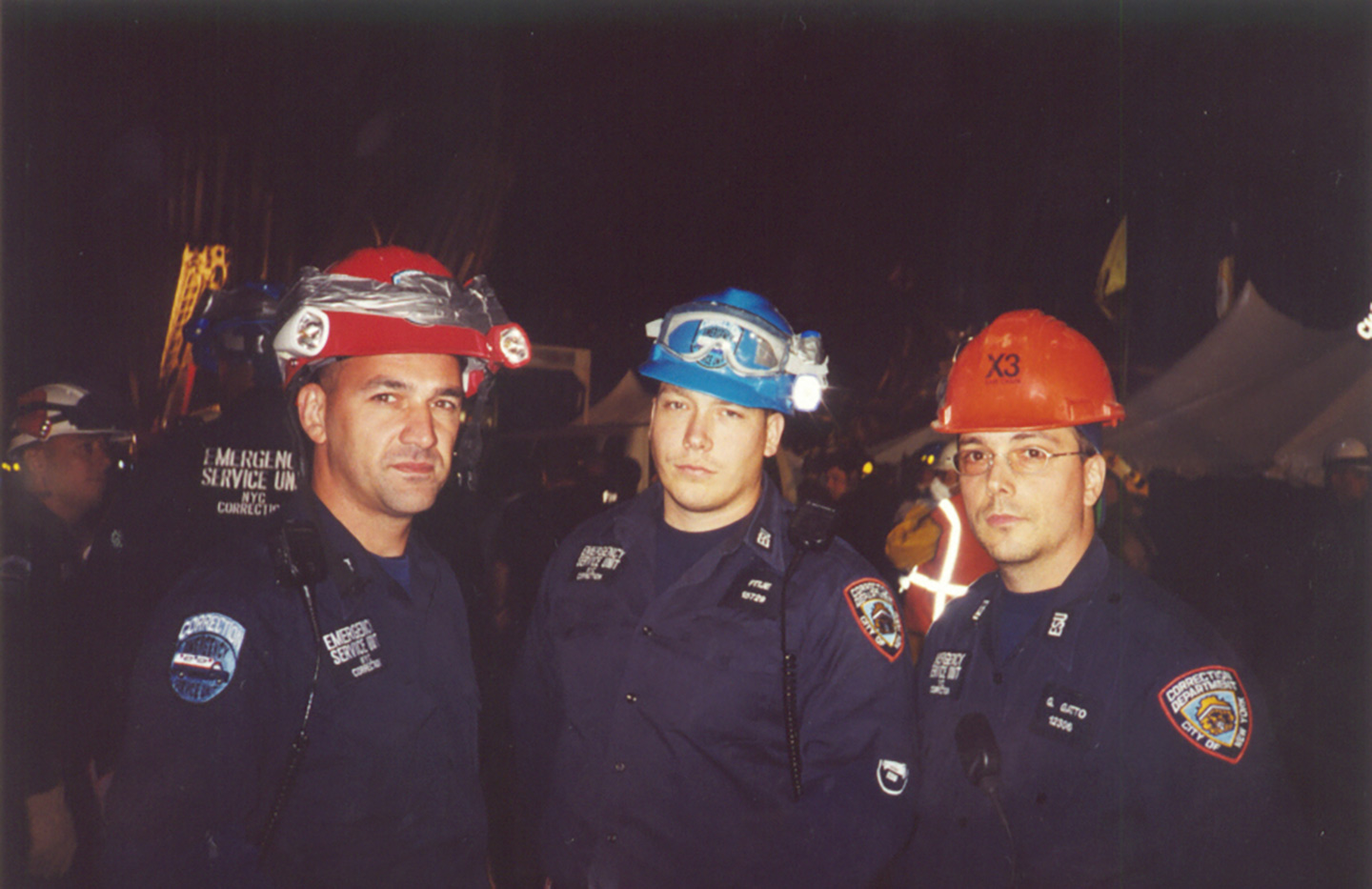
New York City correction officers work some of the toughest beats in town, especially at Rikers Island, the Department of Correction’s (DOC) main facility and a city within a city that can house 15,000 inmates. When the 9/11 attacks began unfolding at the World Trade Center, the DOC — an approximately 7,000-member law enforcement agency responsible for managing and policing the city’s correctional facilities and inmate population — immediately went into a department-wide mobilization, deploying members of its Emergency Service, Harbor and K9 units to Lower Manhattan.
NYC COBA

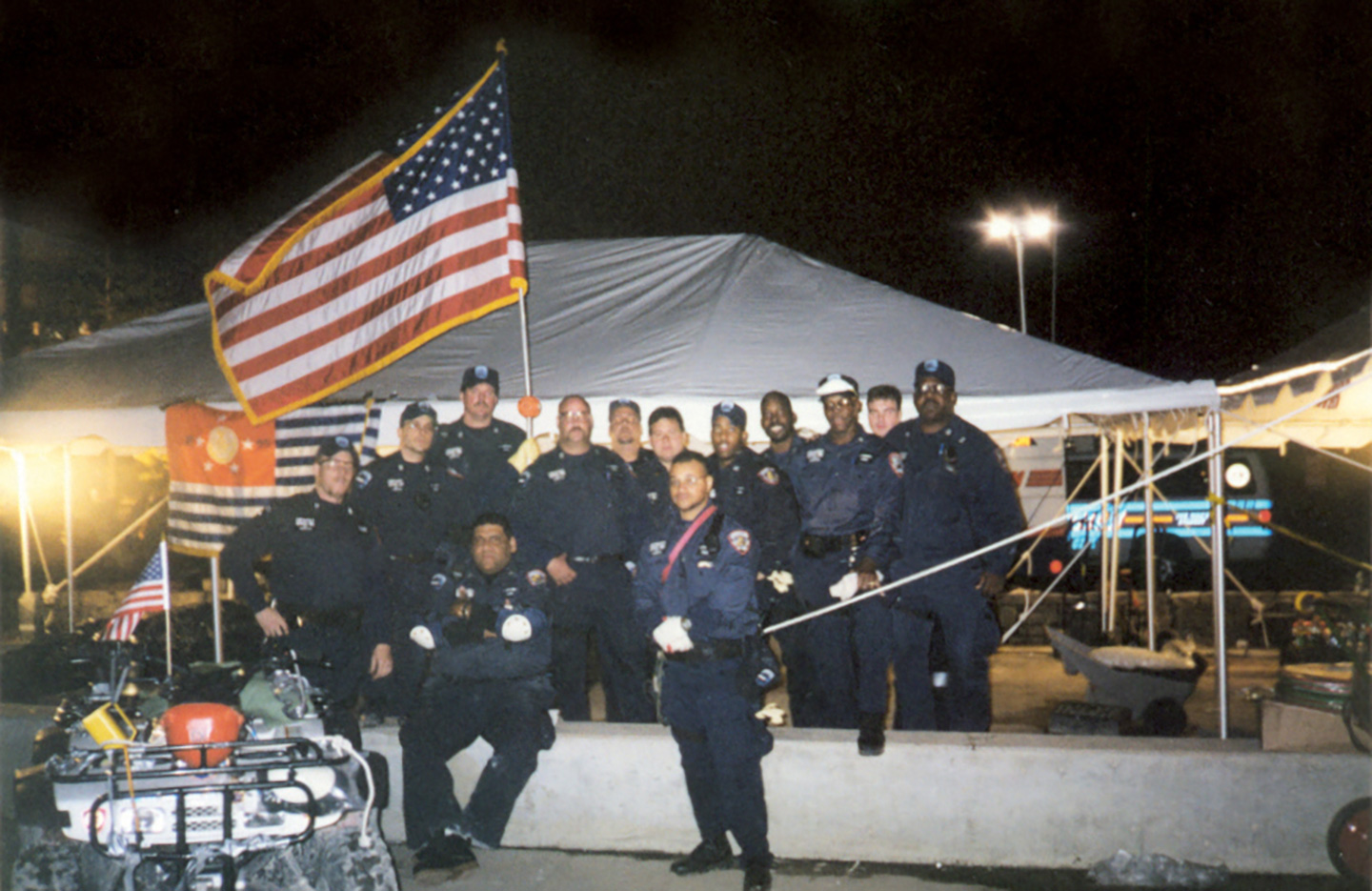
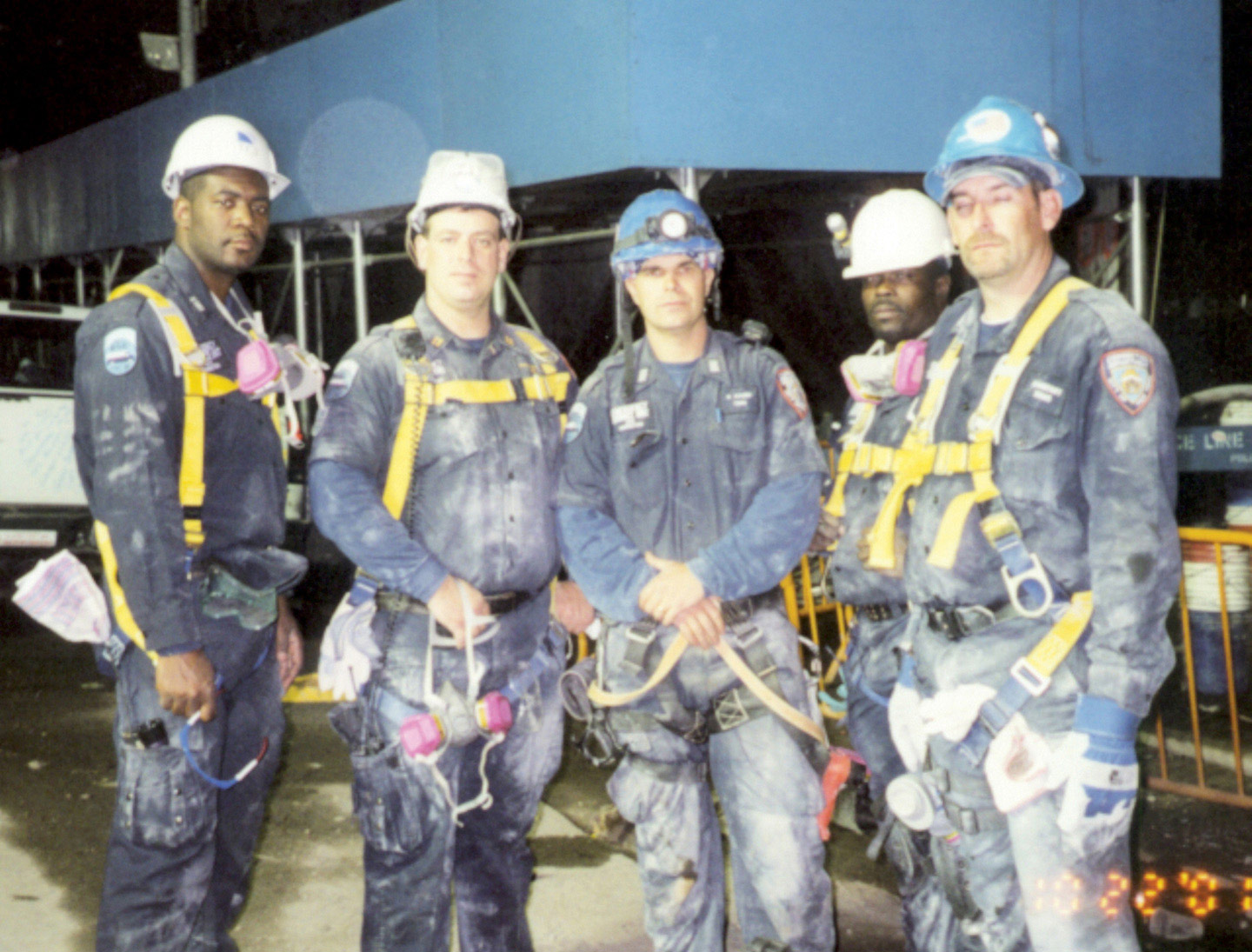
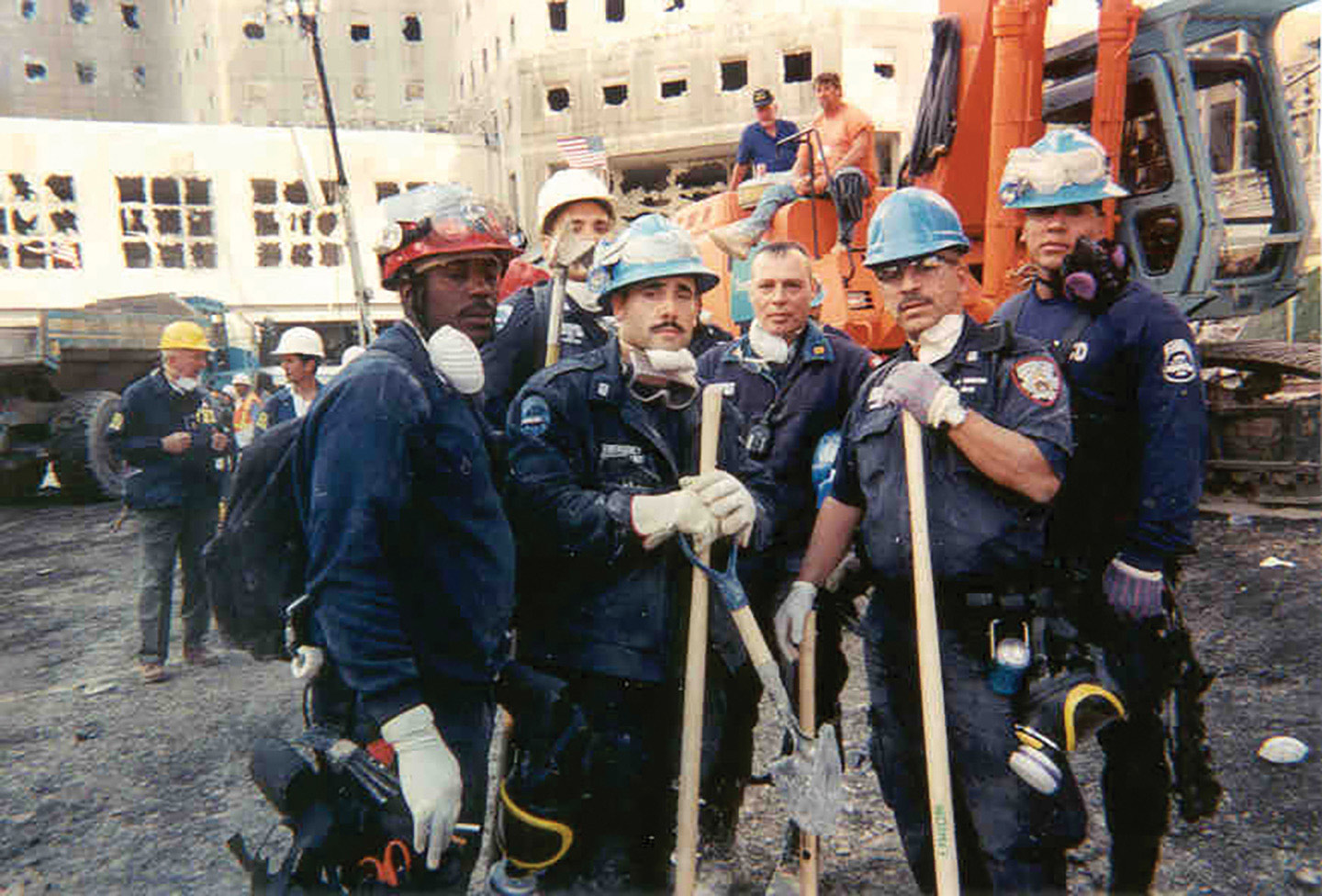
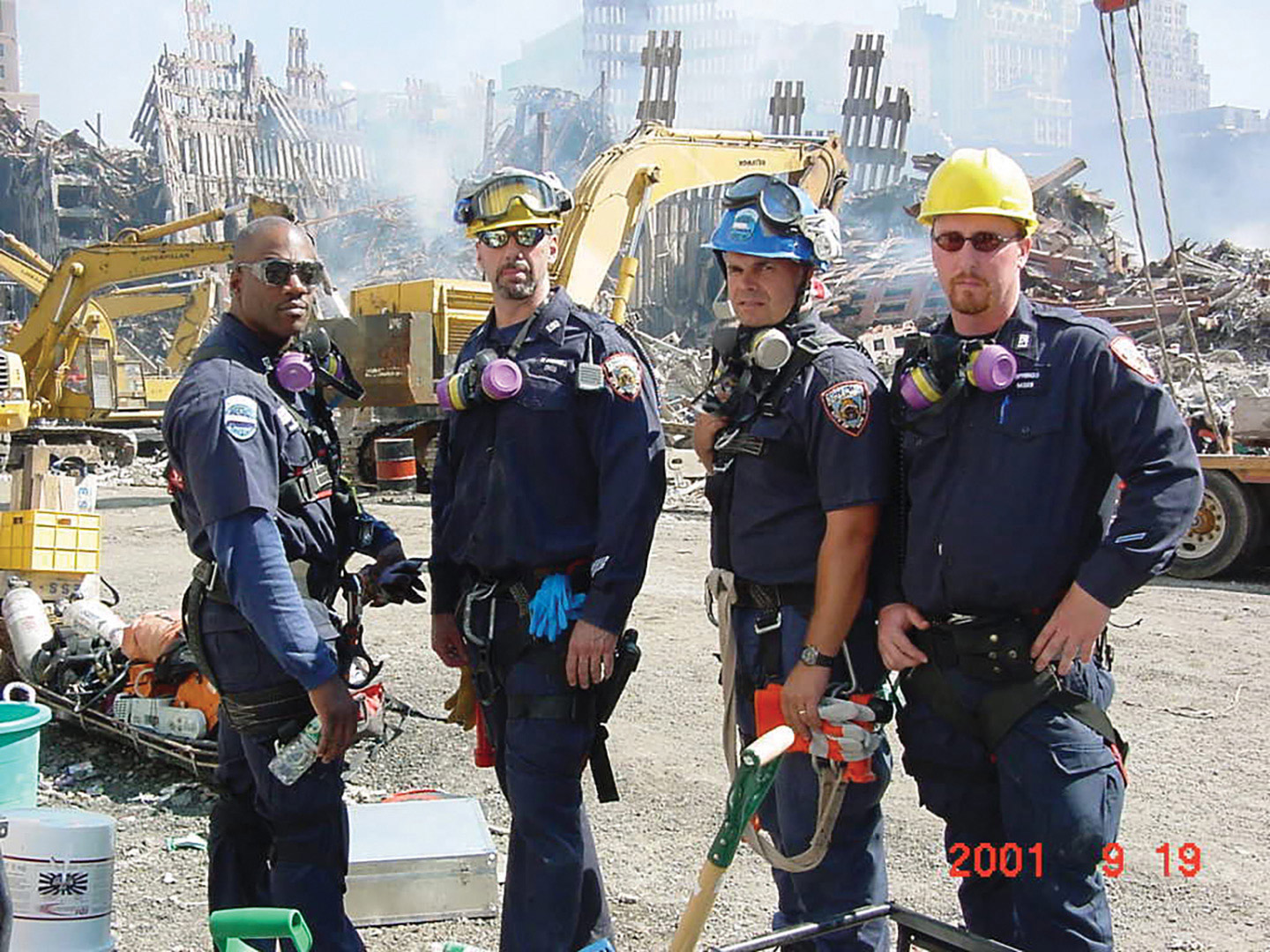
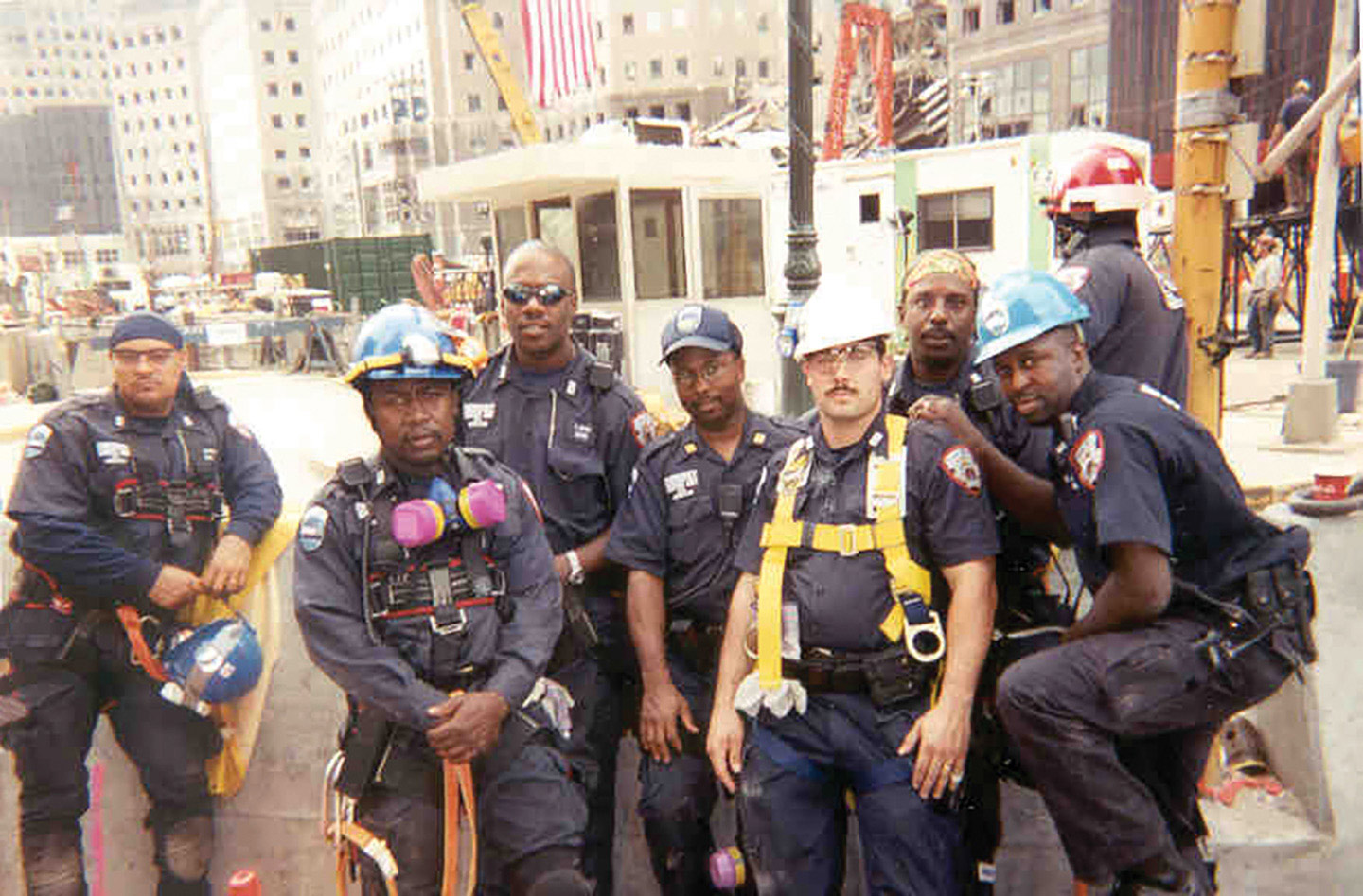
Correction officers brought their history of difficult and complicated work as they joined the New York City police and fire departments, along with other responders, to assist the Port Authority Police Department (PAPD) in performing the greatest rescue in our nation’s history.

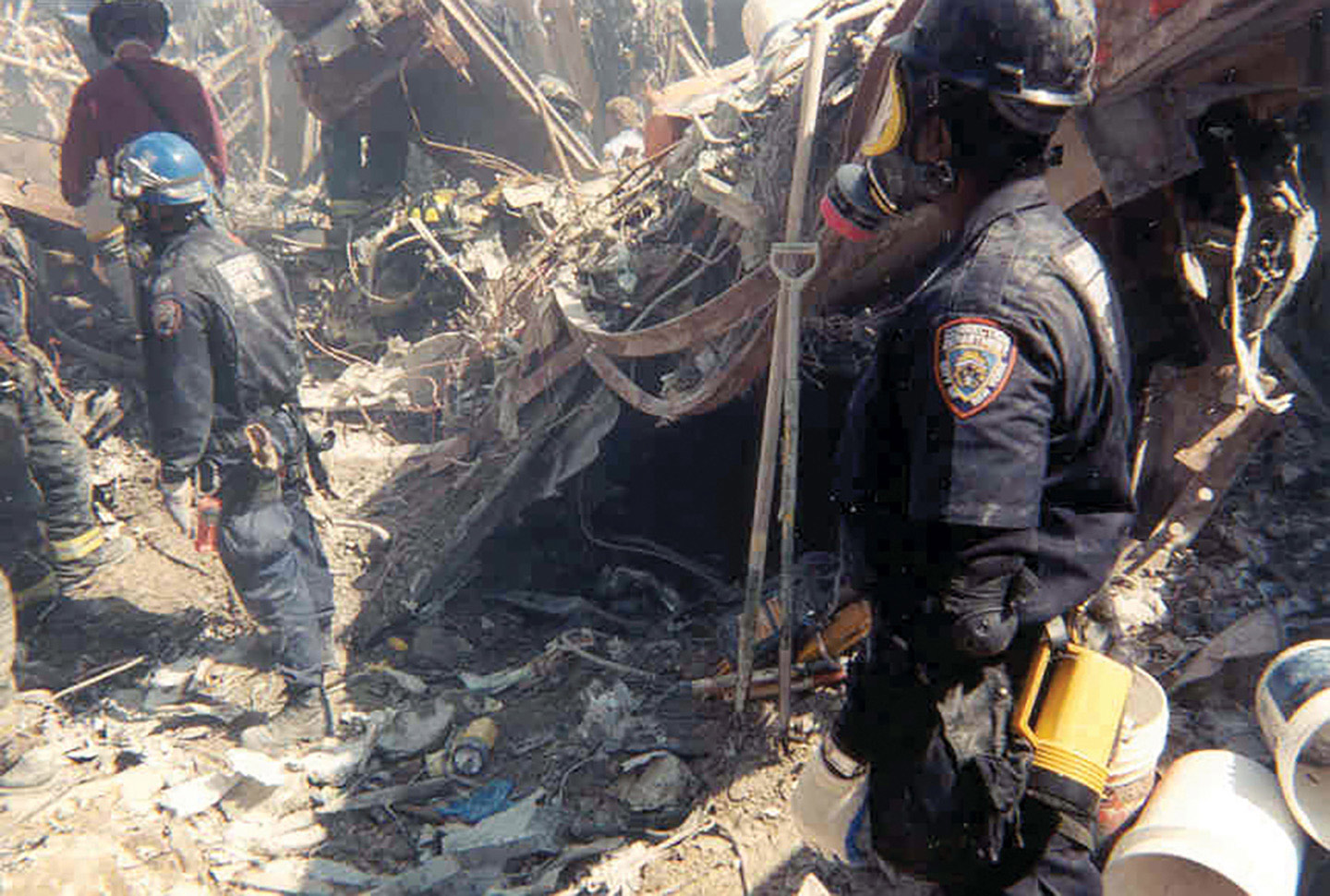
DOC officers became a critical part of the recovery operation in the wreckage of the World Trade Center, known to responders as “The Pile.” In a DOC video titled “We Were There,” Port Authority Police Lieutenant John Ryan, the Day Tour Task Force Rescue and Recovery commander, said, “There was no one who put a greater effort into the rescue and recovery than correction officers.”

DOC Harbor units were also part of the huge flotilla evacuating thousands from Lower Manhattan to Brooklyn, Staten Island and New Jersey.
NYC COBA

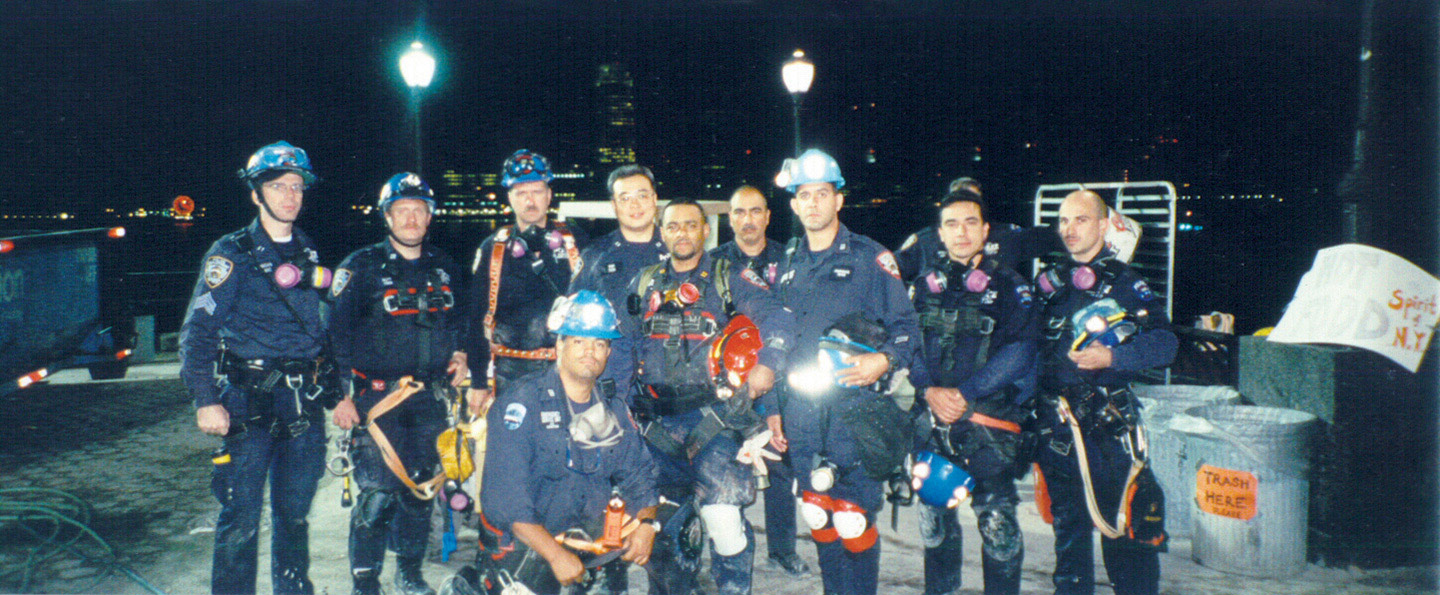
As recovery efforts began, correction officers established a temporary morgue at Manhattan’s Bellevue Hospital and provided support services for the Medical Examiner’s Office, while DOC’s K-9s were integral in the search for the remains of those who perished as families sorrowfully hoped and waited for recovery of their loved ones.

DOC ESU Officer Lora Green remembered finding victims, saying, “This was someone’s family member, a father, son, mom, daughter. It starts to hit home.” She added that she felt a duty to give them some kind of dignity.

Officer Hector Fernandez of the DOC Emergency Service Unit recalled a day on The Pile when a void in the wreckage needed to be searched. He descended into the fiery ruins and uncovered the remains of several New York City firefighters and two Port Authority cops. He emotionally said, “They died for our country trying to save lives. That stays in my mind all the time.”
NYC COBA
NYC COBA

Correction officers also worked at the Fresh Kills Landfill in the borough of Staten Island, where an interagency complex was created to recover and process evidence, human remains and personal effects from the rubble transported there. In addition to correction officers, the Fresh Kills site was staffed with personnel from the FBI, PAPD, NYPD and other agencies. DOC Emergency Service Unit Officer Brian Hanberry recalled working with decomposed bodies and how DNA from those bodies became part of the uniform you were wearing.

Mass casualty incidents usually involve responses from multiple mutual aid agencies. Those agencies work together, endure the same risks and sacrifices, and are all equally fundamental to the operation’s success. Yet media outlets typically focus on one or two agencies in their reporting. After the World Trade Center attacks, local and national media intensely covered the rescue and recovery operations of the New York City Police and Fire departments and either disregarded or were unaware of the equally heroic work of other agencies. Yet the New York City DOC’s heroic work cannot be denied — its courage and dedication in the rescue and recovery, and the sacrifices of its members.
NYC COBA

“We know we could not have done this job without the Department of Correction being here side by side with us, working for the families who were asking, ‘Please bring something home of my loved one taken from me on September 11, 2001,’” stated PAPD Lieutenant William Keegan. He emphatically added, “The Department of Correction did that.”

Benny Boscio, president of the New York City Correction Officers’ Benevolent Association (COBA), the union representing approximately 5,000 New York City correction officers, discussed the suffering of his members, saying, “approximately 800 uniformed and non-uniformed members of our department became ill from toxins they inhaled day in and day out from the fumes of smoke that burned endlessly from Ground Zero.” He reported, “of those who have become ill, more than 40 have died from 9/11-related illnesses.”
NYC COBA

It never matters whether the badges worn or the patches on a sleeve are different. It is the selfless actions of individuals who swore an oath to always act that becomes of paramount importance in dire situations. And those actions of unsung heroes are never performed for recognition.

Officer Fernandez may have said it best: “I know that we were there and had a significant part in it, and in that I take solace, to know we know. And that is good enough for me.”

Twenty-five years have passed and hundreds of active and retired New York City correction officers still suffer from 9/11 illnesses contracted during their work at the World Trade Center. Each requires continued medical care, many for the remainder of their lives.

Boscio, like other first responder union leaders, is an advocate for the 9/11 Victims Compensation Fund to remain viable, saying, “COBA continues to stand shoulder to shoulder with our fellow first responders to ensure Congress continues to fully fund the 9/11 Victims Compensation Fund to support the families of those brave heroes, who risked everything in their selfless service to our city.”
NYC COBA
Bobby Egbert

Bobby Egbert

Bobby Egbert is a retired Port Authority police officer, a 9/11 first responder veteran and the public information officer for the Port Authority Police Benevolent Association.

View articles by Bobby Egbert

As seen in the June 2026 issue of American Police Beat magazine.
Don’t miss out on another issue today! Click below:


SUBSCRIBE TODAY!

Categories: We Remember

Primary Sidebar

Recent Articles

  • The impact of the Graham v. Connor decision
  • Coffee shop intel
  • Developing and enhancing assertiveness
  • Mexican cartels recruit like industry titans on both sides of the border — and it’s working
  • Down to divorce
  • Unsung heroes: New York City correction officers
  • The virtual beat
  • Why more staff won’t fix your operational slowdowns
  • Training with an AI partner?
  • Curbing teen takeovers

Footer

Our Mission
To serve as a trusted voice of the nation’s law enforcement community, providing informative, entertaining and inspiring content on interesting and engaging topics affecting peace officers today.

Contact us: info@apbweb.com | (800) 234-0056.

  • Facebook
  • Instagram
  • Twitter

Categories

  • Editor’s Picks
  • On the Job
  • Labor
  • Tech
  • Training
  • Policy
  • Health/Wellness
  • Community
  • Offbeat
  • We Remember
  • Jobs and Careers
  • Events

Editor’s Picks

Smile and let them swing

Smile and let them swing

May 16, 2026

The job has changed — have you?

The job has changed — have you?

May 15, 2026

The days that follow

The days that follow

May 11, 2026

Perpetual recognition of line-of-duty deaths

Perpetual recognition of line-of-duty deaths

May 10, 2026

Policies | Consent Preferences | Copyright © 2026 APB Media, LLC | Website design, development and maintenance by 911MEDIA

Open

Subscribe

Close

Receive the latest news and updates from American Police Beat directly to your inbox!

  • This field is for validation purposes and should be left unchanged.