Editor’s note: This is part 4 of a nine-part series reflecting on the September 11, 2001, terror attacks ahead of their 25th remembrance this year. Retired Port Authority Police Officer Bobby Egbert, a 9/11 first responder veteran, examines the lasting impact the attacks had on the law enforcement profession and the ways our country and world were changed forever.
On a beautiful September morning, Port Authority Police Department (PAPD) World Trade Center Command police officers were about three hours into the Day Tour when a commandeered American Airlines Boeing 767, Flight 11, was intentionally crashed into the upper reaches of the World Trade Center’s North Tower at 8:46 a.m. Unlike many who assumed it was a tragic accident, the PAPD officers knew exactly what was happening: They were being attacked.
The attack continued with a hijacked United Airlines Boeing 767, Flight 175, striking the South Tower at 9:03 a.m.
The officers immediately went into rescue and lifesaving mode — just as they had on February 26, 1993, when Middle Eastern terrorism set foot in the United States with the detonation of a truck bomb in the parking garage beneath the World Trade Center’s North Tower. The mastermind of the bombing, 24-year-old Kuwait-born Ramzi Yousef, possessed an evil desire to collapse the Twin Towers. He failed, but killed six people plus an unborn child and injured 1,042.
On September 11, 2001, Yousef’s uncle, Khalid Sheikh Mohammed, an al-Qaeda operative, known as KSM and labeled “the principal architect of the 9/11 attacks” in the 9/11 Commission Report, succeeded where his nephew had failed. KSM’s demoniacal plan toppled the Twin Towers, killing 2,753 people.
The Port Authority Police Department is and has always been the police agency responsible for law enforcement at the World Trade Center. It polices a community with a daily population of approximately 200,000 that is served by the PAPD World Trade Center Command, one of the PAPD’s 12 field commands — all of which are among the nation’s prime terror targets.
The 1993 attack destroyed the PAPD World Trade Center station house. Again, on September 11, 2001, the PAPD WTC police station was destroyed. In both attacks, Port Authority police officers, the first of the first responders, were joined by their mutual aid partners — the New York City Police and Fire departments, along with response from other city and state agencies, federal agents and those from the New York City metropolitan area — as they all entered through the gates of hell to execute the greatest rescue in America’s history.
The September 11, 2001, World Trade Center law enforcement line-of-duty deaths included 37 Port Authority police officers, 23 New York City officers, three New York State Court officers, five New York State Tax Enforcement officers, two federal law enforcement agents and a New York City fire marshal. It was the deadliest day in the history of American law enforcement. The New York City Fire Department saw an unimaginable 343 firefighters perish when the Twin Towers collapsed.
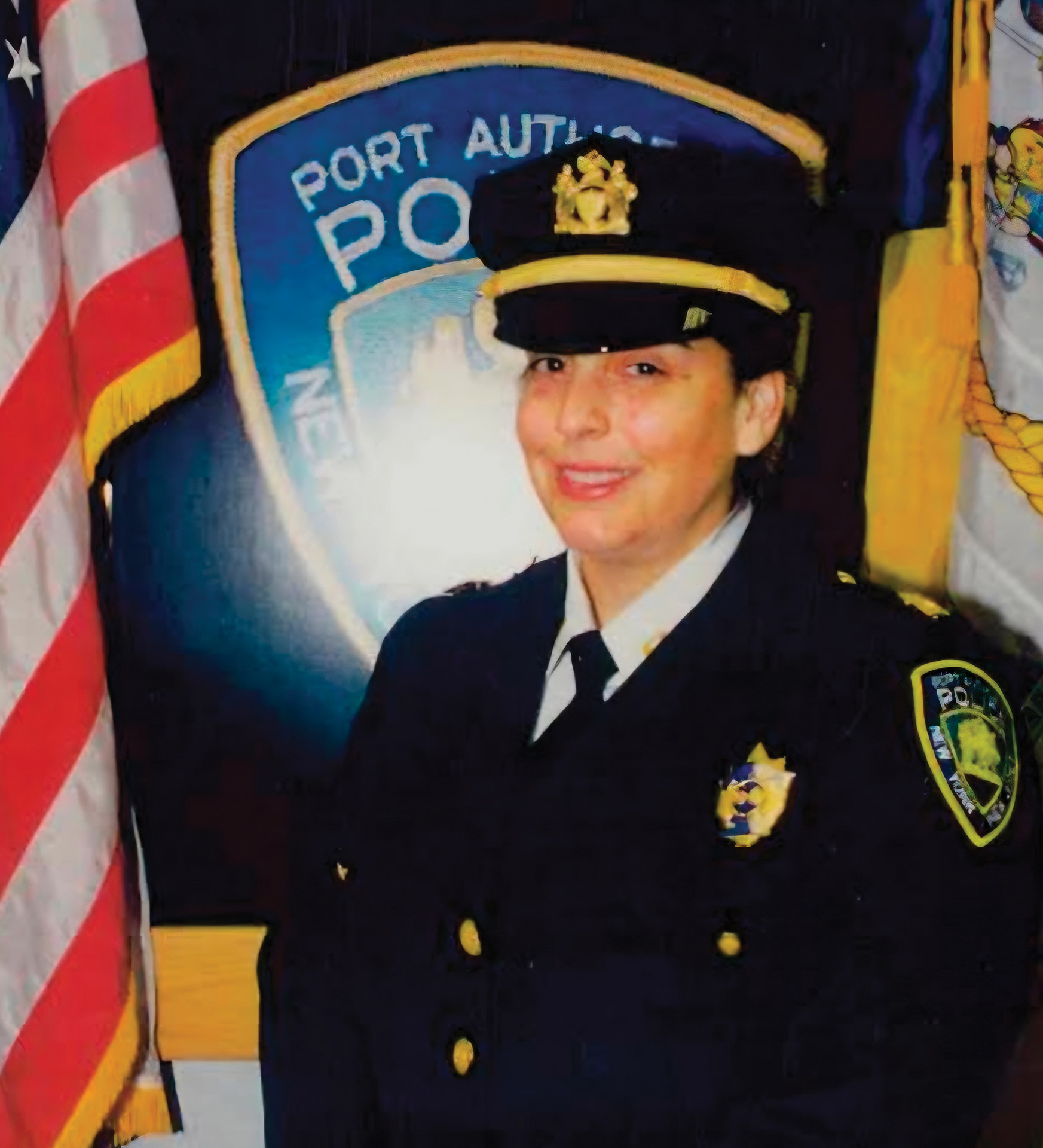
As the nation witnessed a depraved indifference to human life, it also saw the extraordinary, selfless courage of first responders who did not hesitate to climb the stairs of the 110-story Towers to save the lives of thousands. They included heroes such as Port Authority Police Captain Kathy Mazza, the commanding officer of the Port Authority Police Academy, who responded with a squad of officers from the academy on the Jersey City side of the Hudson River. The final moments of Captain Mazza’s life were those of unprecedented heroic actions in an effort to save her officers and the life of a disabled woman.
Witnesses said Mazza, who was also a registered nurse with a specialty in cardiac care, and her team were able to carry a disabled woman in a rescue chair down the darkened and smoke-filled stairwells to the lobby of the North Tower. Mazza and her officers knew the South Tower had collapsed and were in a desperate race against time to get the panicking and terrified people out of the lobby. Mazza eventually used her service weapon to shoot out the large South Tower lobby windows, creating additional escape routes. She then ordered her officers out of the lobby to save themselves while she stayed with the disabled woman. Captain Mazza’s body was found with that of the woman whose life she desperately tried to save.
Mazza swore two oaths, promises to act as a nurse and a police officer. She died upholding those oaths.
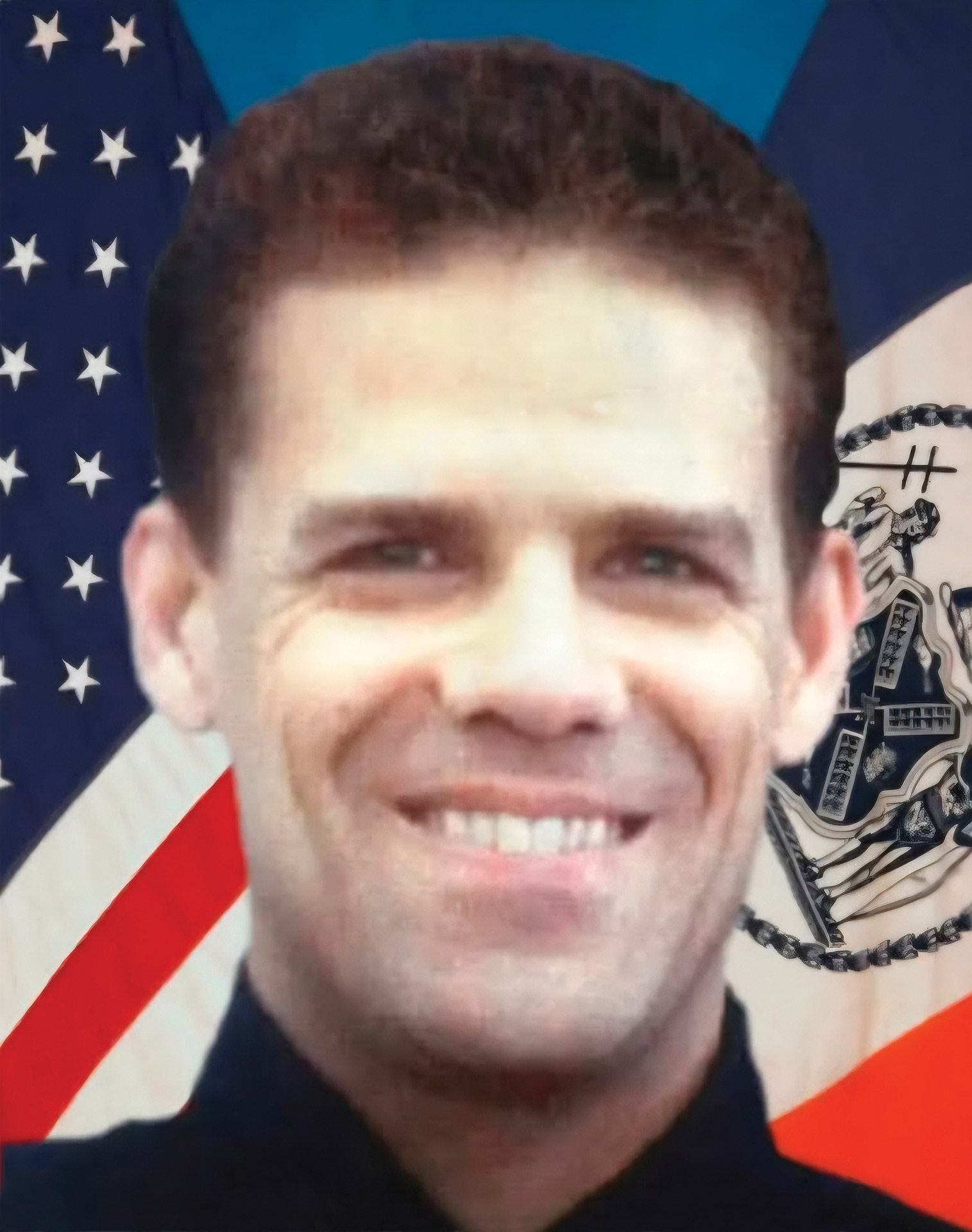
New York City Police Officer John Perry was at One Police Plaza, NYPD Headquarters, filing his retirement papers and surrendering his badge on the morning of September 11, 2001, when the first plane struck the World Trade Center. Perry withdrew his retirement papers, retrieved the badge he wore throughout his career and rushed to the World Trade Center.
Perry, who was a lawyer, spoke five languages, ran marathons, had cameo roles in movies and television shows, and was called a “Renaissance man” by his colleagues, entered the South Tower and was said to help evacuate hundreds of people. He was last seen assisting a woman who had fainted.
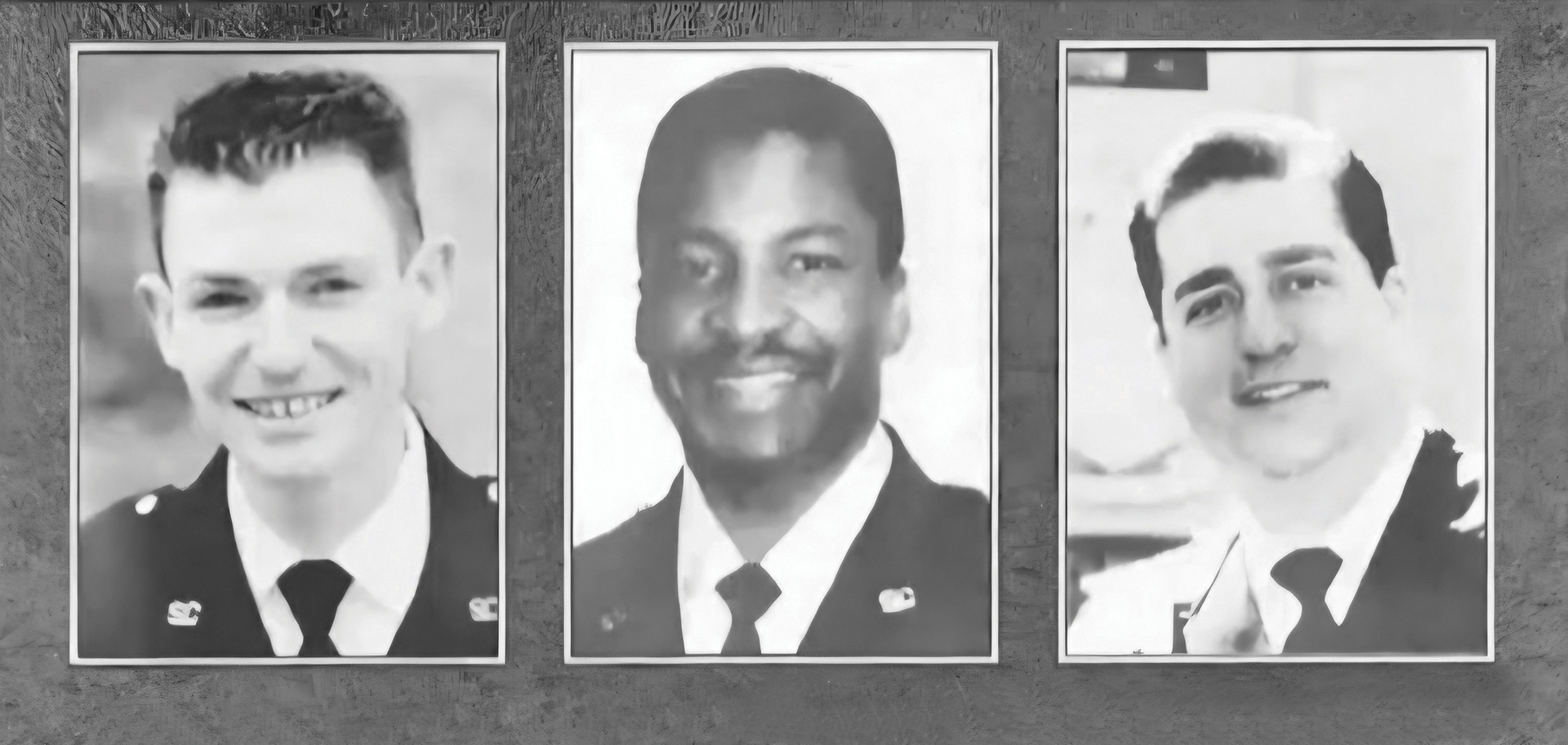
New York State Senior Court Officers Thomas Jurgens and Mitchel Wallace and Captain William Thompson were among many New York State Court officers who responded from their postings to the catastrophic chaos reigning over Lower Manhattan. They went into 5 World Trade Center and began aiding the injured and incapacitated. They rescued a woman who had suffered a heart attack. They returned for others, one a man with a severe head injury. After numerous entries, they were advised not to go back in. Jurgens, an EMT and former U.S. Army medic, responded, “They need us in there!” They went back into 5WTC, making their way down to the concourse beneath the Towers. They were never seen again.
Thompson’s son, Michael, said in a BET.com interview, “There was only one thing on my father’s mind and that was to save lives.”
Wallace called his fiancée, Noreen, who was begging him to get out of there. Wallace replied, “I can’t. There are bodies everywhere. I have to help.”
Another sad turn for the Jurgens family was that Thomas Jurgen’s uncle was Port Authority Police Officer Paul Jurgens, who also perished at the World Trade Center.
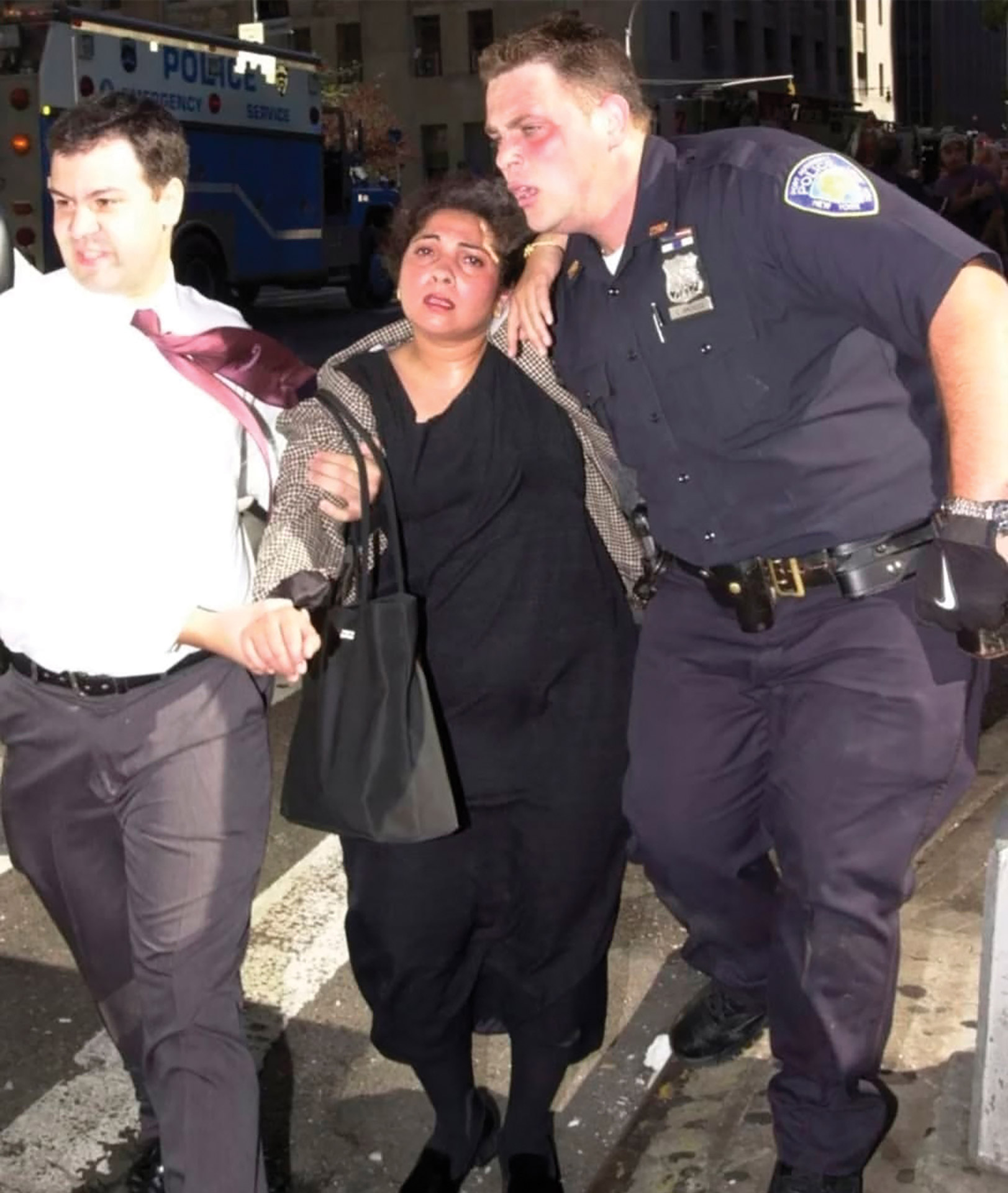
There were many incidents of first responders guiding people out of the Towers, returning in the hope of saving more and not surviving their heroic efforts. Port Authority Police Officer Christopher Amoroso, who was a 29-year-old, two-year PAPD veteran, and 38-year-old New York City Police Officer Moira Smith, who served 13 years with the NYPD, were captured in iconic photographs by New York Daily News photographers Todd Maisel and Corey Sipkin that showed both officers rescuing people, only to return to the Towers to attempt further rescues. They perished putting others before self. Both left behind their spouses and toddler daughters.
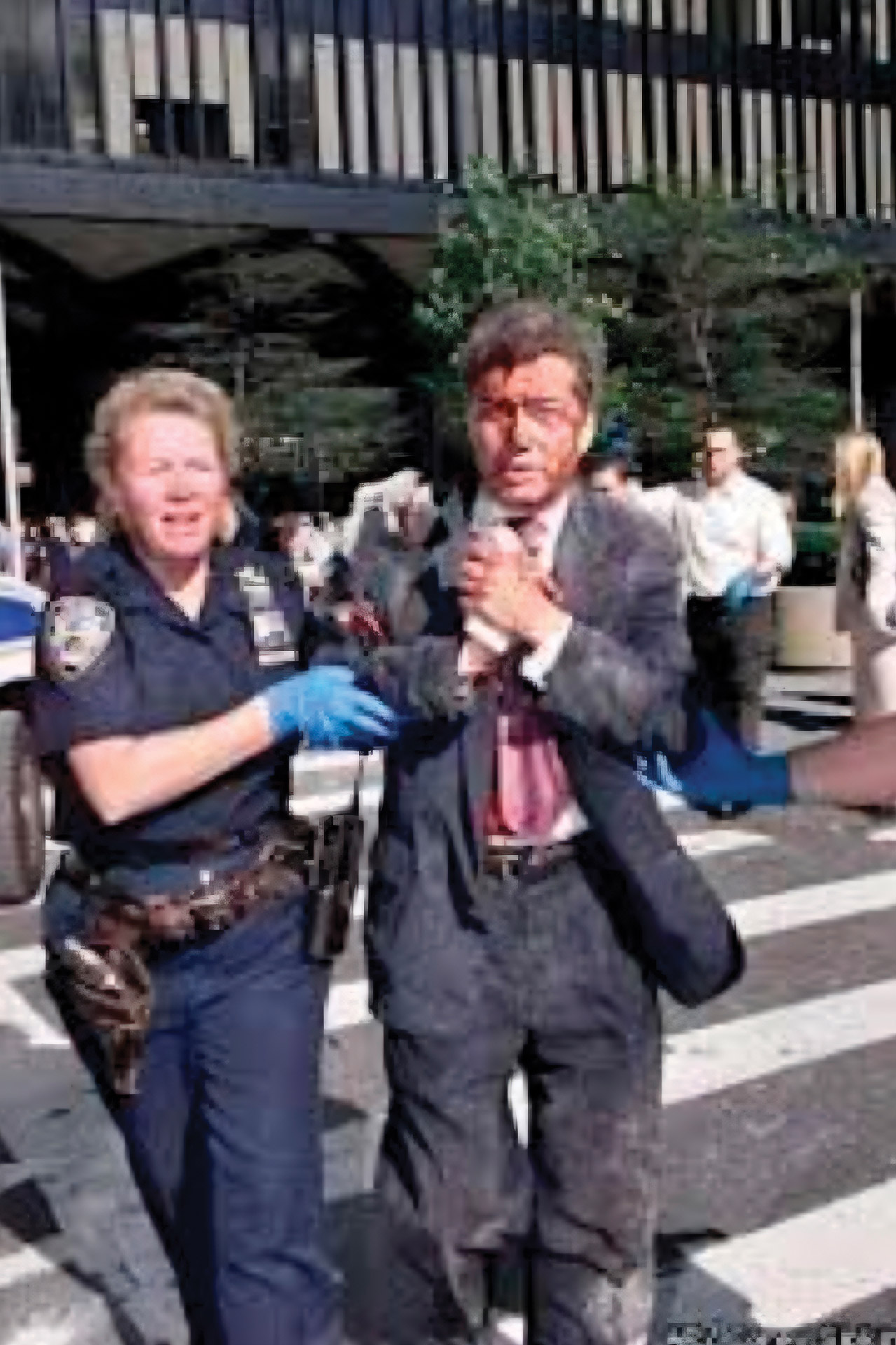
The Maisel photo shows facial injuries Amoroso suffered. It is said that Amoroso was told to get medical attention, only to refuse and return to the burning and weakened Towers.
Rick Rescorla was a 62-year-old, British-born U.S. Army Vietnam War veteran who was the director of security for the Morgan Stanley World Trade Center offices. He was always concerned about terrorist desires to destroy the World Trade Center and developed evacuation procedures for Morgan Stanley that have been credited with saving more than 3,000 lives.
Rescorla’s experiences as a U.S. Army officer in the 1965 Vietnam War Battle of Ia Drang were prominent in the book We Were Soldiers Once … and Young, which was adapted into the movie We Were Soldiers. Those experiences taught him leadership and mission execution in extremely critical and violent situations. It has been written that he stood with a bullhorn singing Cornish songs from his youth in the U.K. to calm those he was directing to safety in the stairwells of the South Tower.
After evacuating the Morgan Stanley offices, Rescorla joined many others, like Amoroso and Smith, in continuing to return to the Towers, devoted to saving others, and ultimately sacrificing their lives.
These actions are a representation of those who gave their lives on September 11, 2001, at the World Trade Center and the Pentagon and aboard United Airlines Flight 93. In each attack, the world witnessed and attested to the very best of American gallantry and self-sacrifice that will live forever in the annals of the history of the United States of America.
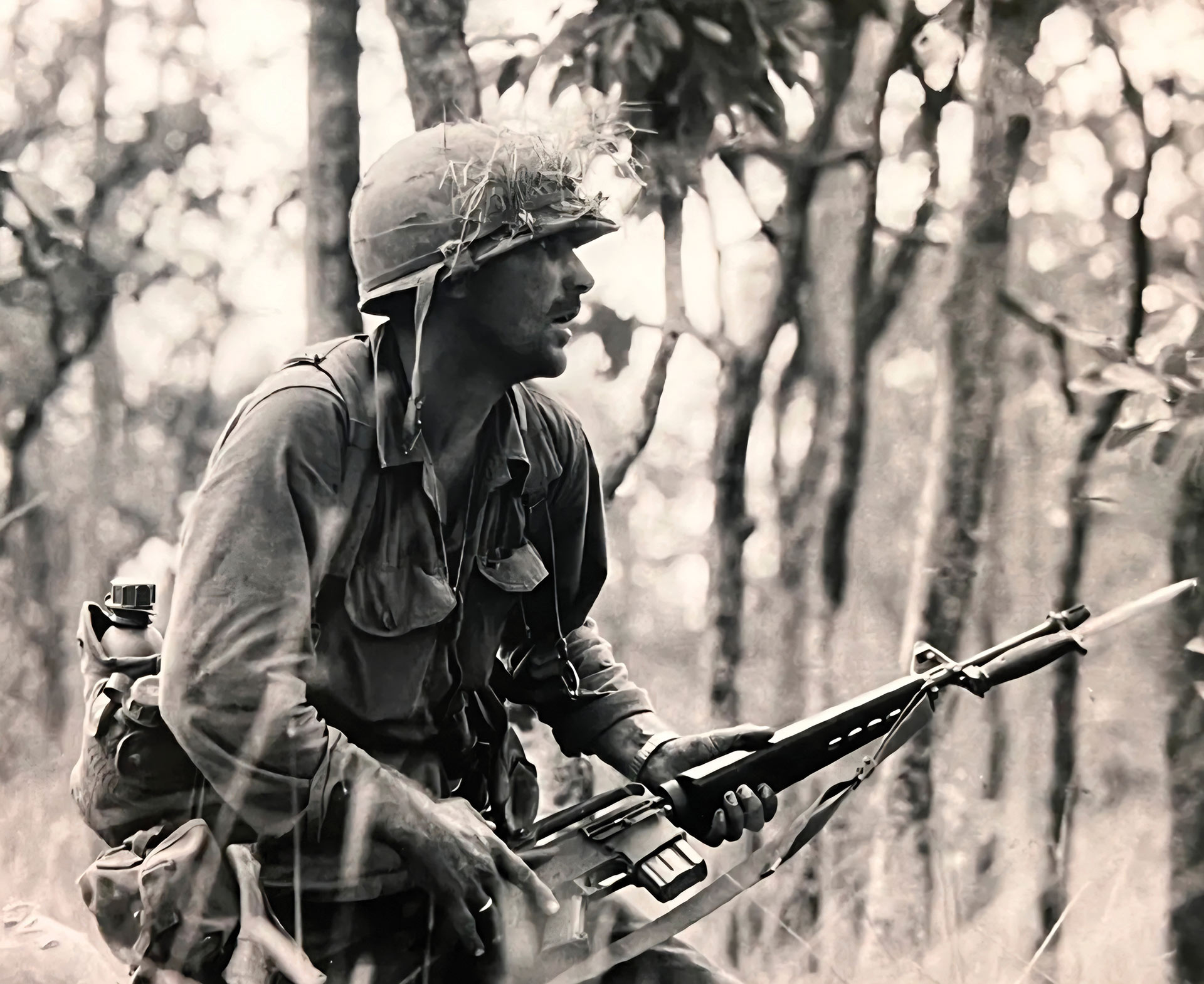

Bobby Egbert
As seen in the April 2026 issue of American Police Beat magazine.
Don’t miss out on another issue today! Click below: