Your lifestyle is killing you. It’s that simple. Shift work, poor nutrition, lack of consistent exercise, sleep deprivation, uniforms that limit your natural range of motion and the extra weight of body armor and gear all contribute to cumulative, long-lasting health problems for law enforcement officers.
Traffic crashes and assaults against officers continue to take their toll, but those numbers pale in comparison to the health issues plaguing our profession. Officers are at elevated risk for hypertension, diabetes, heart disease, obesity, sleep issues, cancer and immune system disorders. Worse yet, a study published in the International Journal of Emergency Mental Health and Human Resilience found that officers have a life expectancy 12 years shorter than other professions, with the average officer dying within six years of retirement.
This is personal
This isn’t just another New Year’s resolution. I was recently diagnosed with grade 4 metabolic dysfunction–associated steatohepatitis (MASH), or non-alcoholic fatty liver disease. At grade 4, there is no medication to take; it’s about hoping for a liver transplant or improving my nutrition and fitness to reduce fat accumulation and scarring in my liver. In my mind, hope is not a strategy toward fixing this problem.
When I was younger, I was a better athlete than most, but not as good as some. I played football and baseball and was a competitive powerlifter ranked at the national and collegiate level. When I became a police officer, I was a solid 198 pounds.
By the time I retired, I was a bulky but soft 235, with two bad knees, two bad shoulders and a fused lower spine. I was diagnosed as pre-diabetic and was taking prescription medication to manage an underactive thyroid and high blood pressure. Like many of you, I chalked this up to genetics, normal aging or work-related injuries. The inconvenient truth is, this was primarily the result of the law enforcement lifestyle.
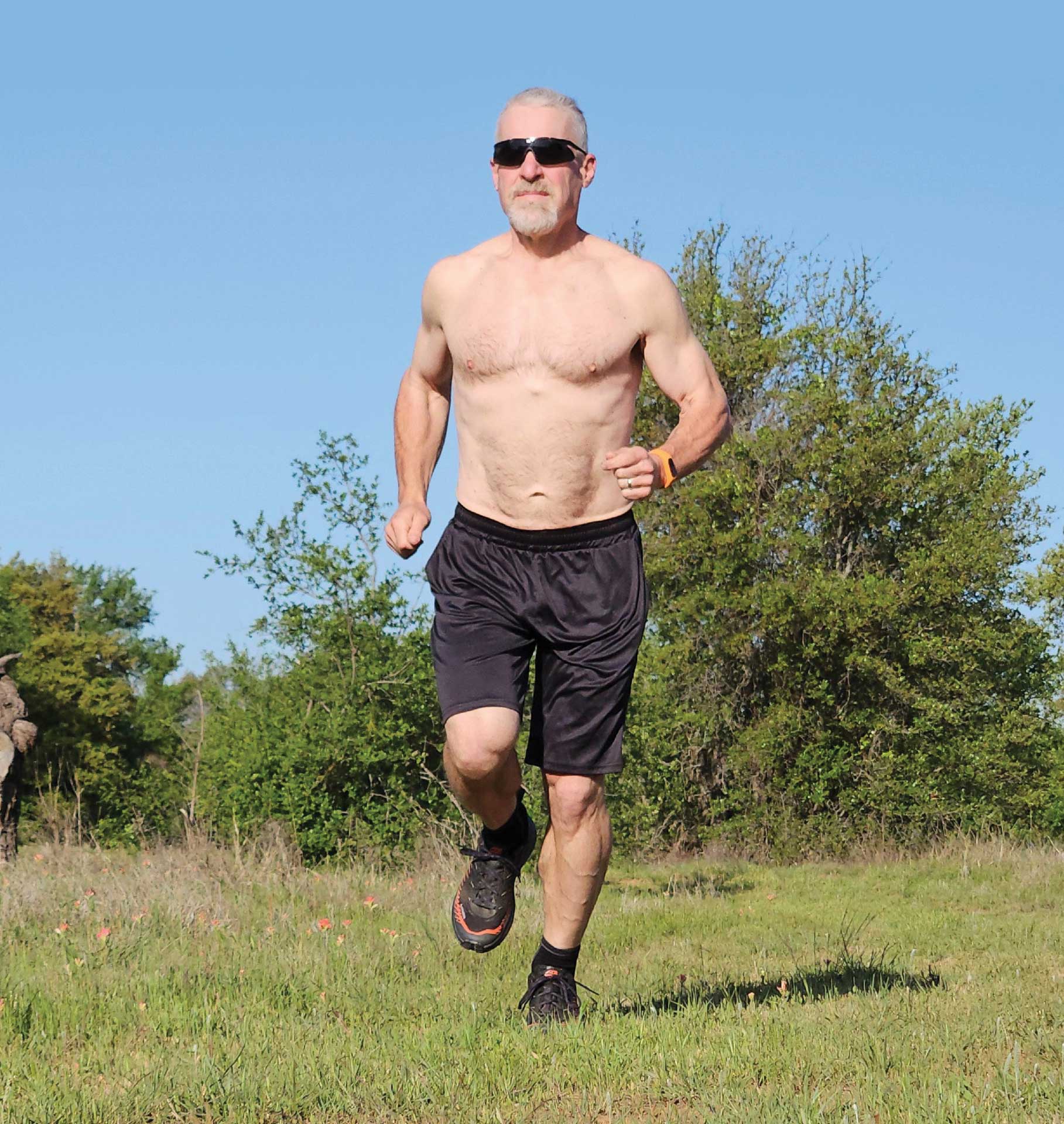
Being diagnosed with grade 4 MASH forced me to make lifestyle changes that improved liver function, reduced body fat and enhanced overall fitness. I’ve gone from 235 pounds at retirement to 170 pounds today. It’s been challenging. However, it can be extremely motivating when a trusted doctor tells you change is required or you may die without a liver transplant.
Take the first step today
The path forward for each of us is to commit to a lifestyle change. Instead of paying lip service to the importance of diet, recovery and fitness, we need to commit to improving our sleep, strength, aerobic capacity and mobility. Sitting for hours in a patrol vehicle, carrying the weight of a loaded duty belt and body armor, wearing restrictive uniforms and going from zero to a 100% effort without a warmup takes its toll over time. This is police work, no matter what shift you work. When you add the challenges we face working night shifts, it’s a ticking time bomb.
Working nights has unique challenges. Court appearances, training and other professional obligations are scheduled during the day because it’s convenient for command staff, judges, juries and instructors. This means even if you sleep well during the day, your sleep gets interrupted by these types of events.
Sleep deprivation significantly contributes to our medical issues. It was a factor in my weight gain, thyroid problems, hypertension, diabetes and MASH. The “I’ll sleep when I’m dead” mentality is killing us. Short sleep cycles or overall sleep deprivation trigger excessive eating and cravings for high-calorie or high-carbohydrate foods. It’s the way our bodies are wired. Think about it: how often do people bring fresh fruit and vegetables for everyone? It’s mostly cookies, cake, pizza, candy and other forms of junk food.
Fuel instead of food
Speaking of the garbage in the break room, changing how we see food can be a challenge. Instead of thinking of food as something that needs to be consumed, consider how the calories you consume provide fuel for your motor. Even if we wanted to, we couldn’t put more fuel into the tank of our car than it can hold, but we graze through the break room as if it were an all-you-can-eat buffet.
Instead of eating until we’re full, try to stop eating once you’re satisfied. This sounds easy, but it was the most difficult change for me to make. I like food. I enjoy intense flavors. For me, stopping when my hunger is satisfied instead of when I’m stuffed continues to be a challenge. Depending on your individual needs, look for lean proteins and fresh vegetables as your primary choices. I have limited my consumption of bread and other high-carbohydrate choices. I haven’t gone keto, but I eat more lean protein and vegetables than before.
Commitment to fitness
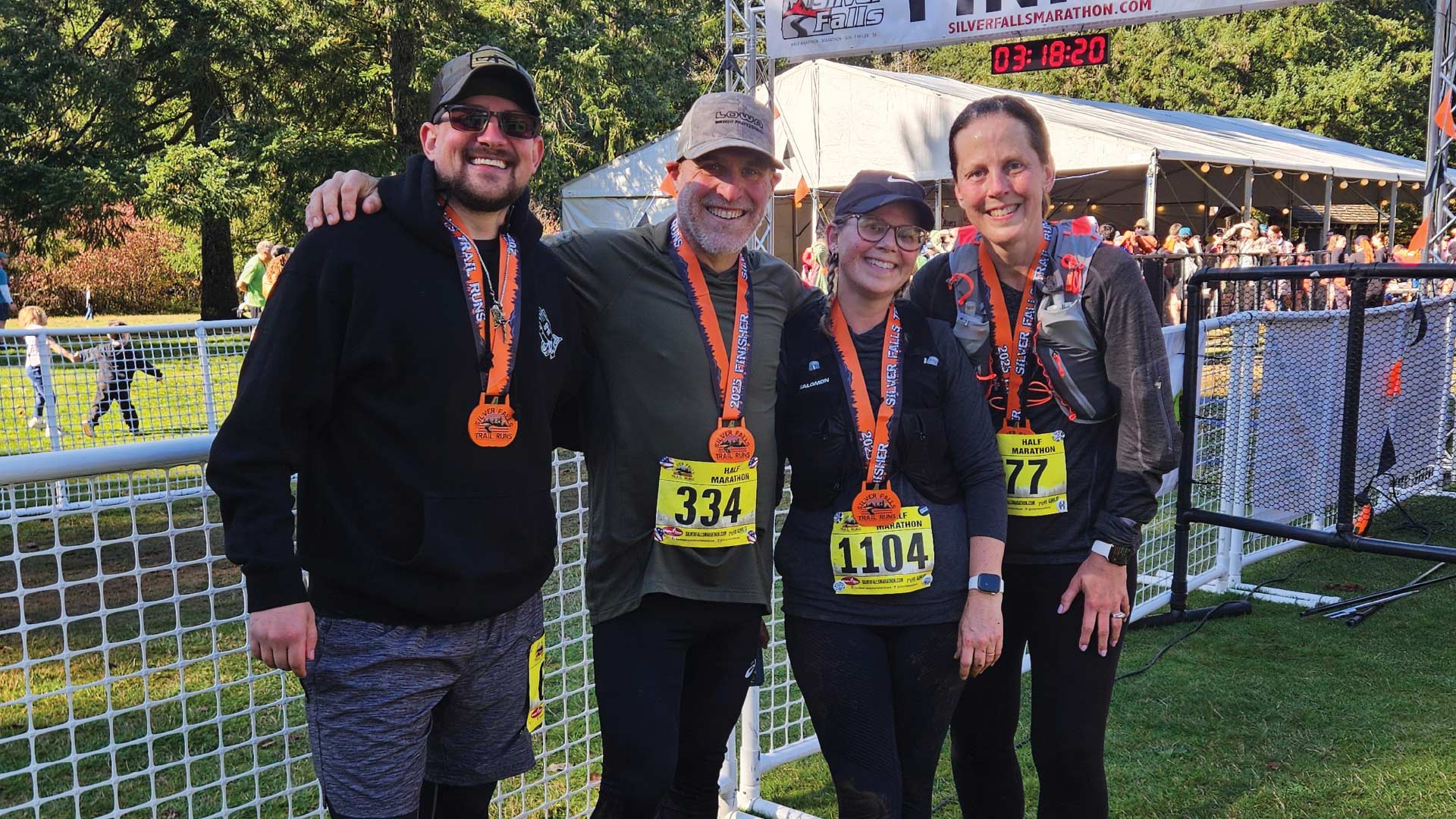
Since my overall goal is to reduce the amount of fat in my liver and improve its function, my day-to-day activities revolve around my workouts. I run six days a week, work on my flexibility and mobility daily, focus on core strength three days a week and do total-body strength training the other four days. I’ve gone from run/walk intervals to completing several half-marathons, and I’m currently considering training for a full marathon. For most people, this may take more time than you can commit. The good news is that you don’t need to go to this extreme.
Weight training provides physical benefits like increased strength, improved bone density, boosted metabolism and better heart health. It also offers mental advantages, including improved mood, reduced stress and anxiety, and better cognitive function. Even if you don’t have access to a weight room, there are excellent bodyweight movements you can do to improve strength and muscle tone.
For aerobic exercise, aim for at least 150 minutes of moderate-
intensity or 75 minutes of vigorous-intensity cardio exercise per week, or a combination of both. This could include brisk walking, cycling or swimming for moderate intensity, and running, jumping rope or high-intensity interval training (HIIT) for vigorous intensity. Spreading activity throughout the week is recommended to avoid injury and maximize the benefits. Remember: you can’t outrun a bad diet.
Finally, the cornerstone of long-term wellness is flexibility and mobility. Mobility is the ability to move a joint through its full range of motion with control, while flexibility is the ability of a muscle to stretch. Flexible muscles allow for a greater range of motion and help prevent injuries. Mobility requires strength and control to move actively throughout the range of motion. Yoga, Pilates and dynamic stretching before your workout, along with static stretching afterward, should be treated as a primary component of your wellness plan instead of something to rush through or avoid. Your back, hips, shoulders and knees will thank you in the long run, and you can avoid injuries today.
Focus on fit
Don’t try to do too much too soon. The most important thing is to commit to making a difference in your overall health and well-being by integrating these new habits into your daily routine. Make it sustainable and build consistent, long-term wellness practices instead of seeking a quick fix. Small, manageable changes you can maintain over time will make your sleep, nutrition and workouts a natural and rewarding part of your life.

Todd Fletcher
As seen in the January 2026 issue of American Police Beat magazine.
Don’t miss out on another issue today! Click below: