“Ego is a toxic force that makes teamwork, as well as reaching one’s highest potential, impossible.” — Anonymous
We all have an ego — our sense of identity, self-importance and self-interest. Some in our profession tend to have inflated egos that ultimately do not serve their best interests or those of their agency, significantly impairing the pursuit of excellence.
An unbridled ego impairs one’s ability to work effectively on a team, harms work relationships and can significantly erode one’s capacity to be a positive influence in doing the greatest good. It also tends to severely limit our ability to be our very best in ways that foster positive outcomes for our agency, others and ourselves.
An inflated ego is a serious detriment to the quality and effectiveness of our professional careers. Every officer would likely prefer working for a leader who is humble and more interested in the success and well-being of their officers than they are in themselves. Those leaders you’ve worked for in the past who were primarily driven by ego are likely the source of nightmares.
Leaders who are overbearing, demanding, controlling and driven by self-interests are toxic to the organization and prevent others from being their best. The more one can learn to arrest their ego so that their motives become more selfless and helpful to others and the agency, the greater positive influence and quality of career they will experience.
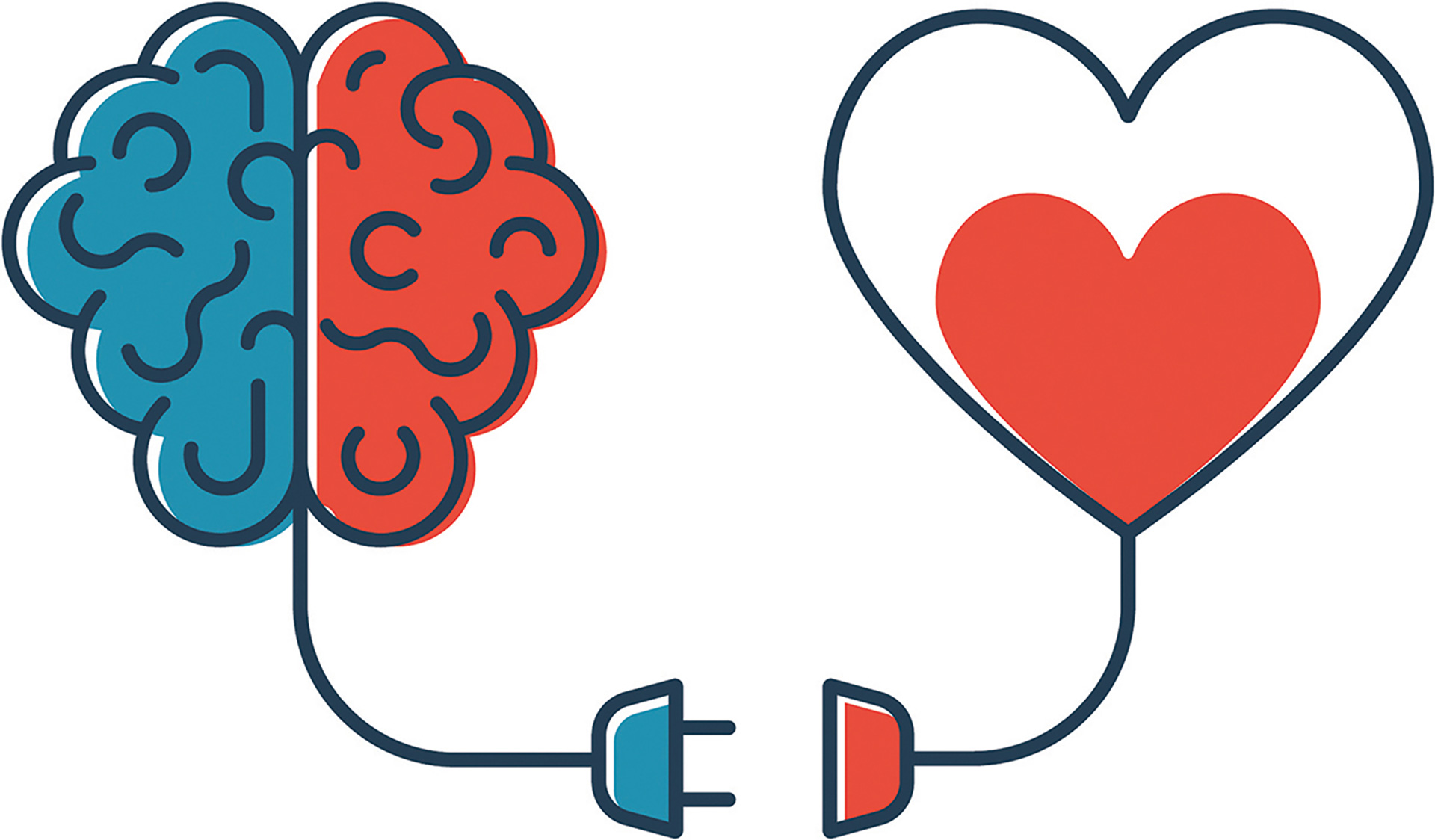
The conflict between ego and heart
Psychologists have found that within every person there is a conflict between two forces inherent within our human experience — the ego and the heart. This conflict between self-interests and selflessness gives rise to our motives and purpose, and ultimately our fulfillment in a life of professional service. Realizing one’s highest potential is the process of arresting the ego to allow the heart to be our greater influence, because the heart is far more powerful in helping us be our best.
The ego is always self-serving, self-absorbed and consumed with self-importance. It is self-centered and self-indulgent and only serves one’s own self-interests. The ego tends to be deceitful and controlling, very critical, judgmental and over-sensitive. It is is where unbridled ambition, pride and false beliefs about oneself reside. It rationalizes everything and avoids responsibility. The ego is our human, instinctive nature, primarily concerned with self-preservation, while the heart is our innate spiritual nature, primarily concerned with being helpful, useful and doing the greatest good.
In contrast to the ego, the heart is one’s wellspring of inspiration, hope, love and capacity to selflessly serve. The heart desires to give and seeks to foster meaningful relationships. It is more interested in serving as opposed to merely wanting or desiring more for oneself. The heart is the source of creativity, intuition and cooperation — all vital for effective, professional policing.
The heart is giving and always selfless, focused more on others than on oneself. For policing to be most effective in pursuing excellence in the service provided, our motives need to be inspired by our heart to alleviate suffering, solve problems and make a meaningful difference in people’s lives.
The nature of the self-centered ego is that it can never be satisfied, which causes stress and anxiety. That’s why those who are primarily driven by their ego rather than their heart are most often unhappy, unfulfilled and always looking for more. They’re always looking for praise and recognition through self-promotion. The ego craves satisfaction through self-importance, getting one’s own way, being controlling and having unrealistic desires. The ego’s driving force is pride, while the heart’s is humility.
Serving from the heart beyond ego allows one to be open to personal growth and to learning through humility.
Characteristics of the ego versus the heart
Serving from the heart beyond ego allows one to be open to personal growth and to learning through humility. It draws others to want to serve with you and fosters greater collaboration. It encourages self-initiation in others and empowers them to contribute in meaningful ways to improve things. Qualities that enable the heart to be more influential include gratitude, respect, responsibility, integrity and helpfulness.
The ego, meanwhile, uses several characteristics to fortify itself and strengthen its hold over our motives and intentions.
Denial is a characteristic used where one refuses to admit mistakes or acknowledge their role in any given negative situation. The ego uses suppression and repression just as effectively to deny problems and bury distressing emotions to avoid dealing with problems.
The ego uses rationalizations and loves to make excuses, turning a blind eye toward reality and avoiding responsibility. It tends to discount other people’s concerns and issues. It strives to conceal our weaknesses, flaws and limitations to project a false image of ourselves to appear more favorable to others. The ego is insincere and pretentious. It loves drama and wants all the attention. This, of course, can significantly impair work and personal relationships — and can stunt any personal transformation.
Conclusion
Increasing awareness of your ego and how it influences your decisions, motives and interactions is fundamental to learning how to arrest its influence and bring the heart into a leadership role. Doing so will enable you to pursue and realize excellence in your service, relationships and ability to do the greatest good.
Of course, my hope is that, having read this, you are somehow better off. But let me close by saying this: I’m sure you thought of some great examples — of both extremes — in your workplace, right? Well, for the betterment of your organization and your co-workers, please consider making some copies of this article. Then, at the top, simply write, “I read this and thought of you.” Leave them at the appropriate desks or pigeonholes. The heart people — they know who they are — and they’ll smile and be encouraged. The egoists, they know, too. And the lump they’ll get in their throat just might serve as their own encouragement, too.

Dan Willis
As seen in the January 2026 issue of American Police Beat magazine.
Don’t miss out on another issue today! Click below: