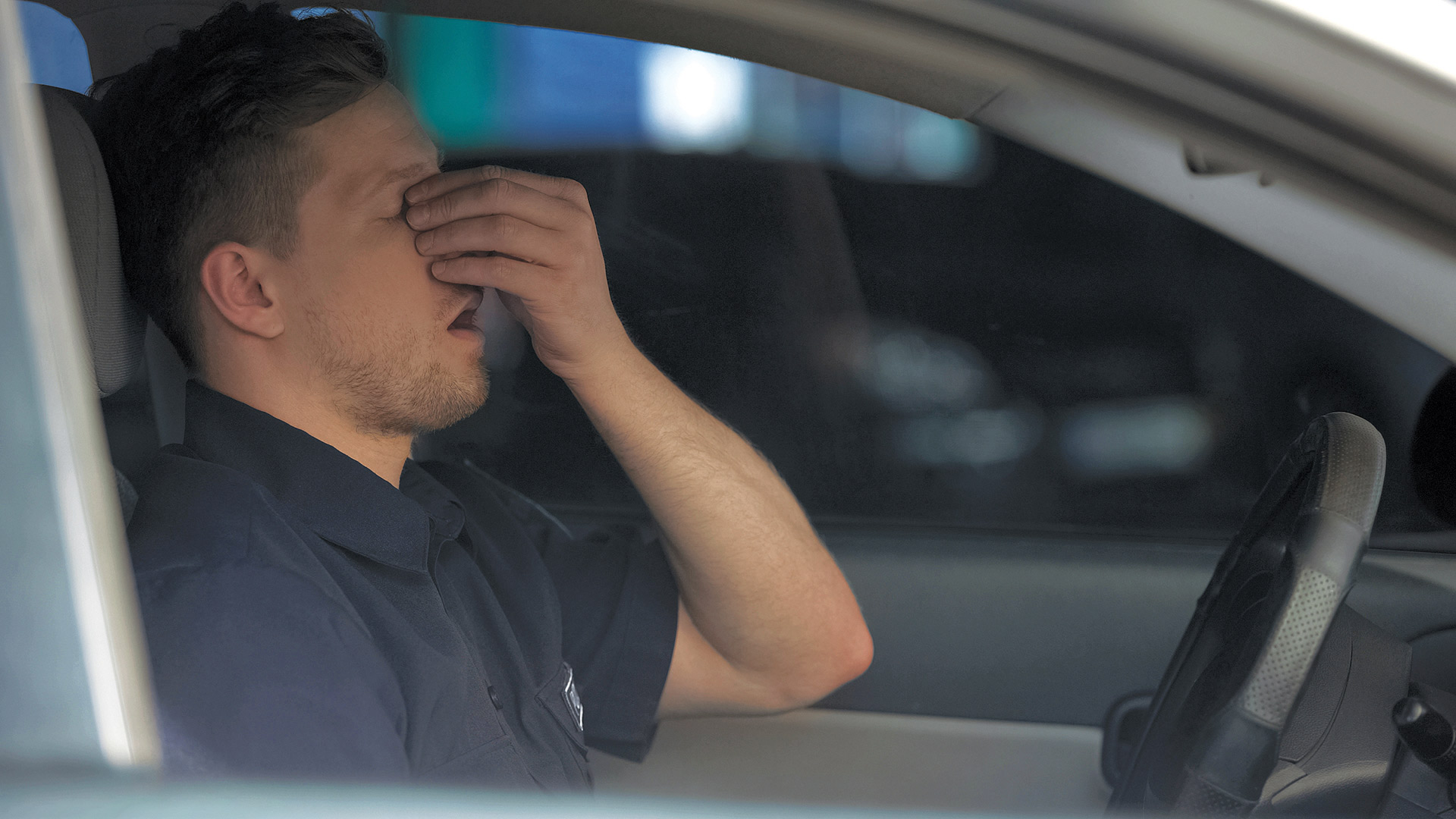
Let’s stop pretending. You already know sleep matters. You’ve read the articles, heard the podcasts, maybe even sat through a PowerPoint or two. You’ve nodded along while sipping your third energy drink after a back-to-back shift.
And yet here we are — sleep-deprived, wired, running on fumes. Telling ourselves we’ll catch up on rest over the weekend like sleep is some kind of savings account. It’s not.
The sad truth is that in our profession, fatigue isn’t just common; it’s institutionalized.
The culture of toughness is wiping us out
In our world, fatigue gets glamorized. The person who stays up 36 hours straight is “dedicated.” The one who volunteers for back-to-back shifts is “a team player.” You mention needing sleep and suddenly you’re soft.
That mentality is not just outdated. It’s dangerous.
Some public safety professions have figured this out. Fire services, for instance, built recovery right into their model, with structured downtime, mandatory rest and actual sleep hygiene policies. Meanwhile, most cops and medics are still fighting fatigue with caffeine and pride. Different models, different outcomes.
A study from the National Institute of Justice found that nearly 40% of police officers suffer from some form of sleep disorder, yet only a fraction is diagnosed or treated. The rest just “suck it up” and push through. That would be fine if adrenaline could substitute for sleep. But it can’t.
Sleep deprivation affects judgment, reaction time, emotional control and decision-making. Sound familiar? That’s your job description. You don’t get a second chance in this line of work, and showing up tired could mean the difference between a life saved and a tragedy.
Nearly 40% of police officers suffer from some form of sleep disorder.
The brain doesn’t negotiate with sleep debt
Let’s be real: no amount of caffeine, protein shakes or “mental toughness” is going to undo the biological damage of sleep loss.
When you’re consistently getting fewer than six hours of sleep, studies show a drop in cognitive performance equivalent to having a blood alcohol level of 0.08%. So ask yourself — would you report for duty drunk? Of course not. But many of us report for duty every day cognitively impaired from poor sleep and pretend it’s no big deal.
Sleep debt accumulates. And just like interest on a credit card, it adds up fast and charges you double when you least expect it.
The Journal of Occupational and Environmental Medicine published findings that first responders with chronic sleep restriction are more likely to suffer from depression, anxiety, metabolic syndrome and heart disease. Want to shorten your career and your life? Keep skipping sleep.
Tactical performance starts in the bedroom
That’s not clickbait. That’s science.
A 2020 study in Frontiers in Psychology found that tactical decision-making, motor coordination and visual-spatial memory all tank after just one night of disrupted sleep. You might still feel sharp, but the data says otherwise. Your body is slow, your brain is slower and your fuse is dangerously short.
Need another reason? Let’s talk about the gym. Poor sleep kills testosterone, wrecks muscle recovery and increases cortisol — the stress hormone that loves to hang onto belly fat. So you’re working out, eating clean, but not sleeping? You’re burning gas with a hole in the tank.
Shifting the narrative around shift work
We built a system that punishes those who stay awake to protect others, while other professions built systems that protect those who serve. That’s not envy talking — it’s a challenge to fix our model.
Let’s face it, some of you are stuck in shift work hell. Graveyard to days, back to mids. There’s no magic fix for rotating shifts, but there are ways to fight smarter. Here’s how:
- Light discipline. Get blackout curtains. Turn off your damn phone notifications. Light suppresses melatonin harder than a flashbang in a dark room.
- Cool, quiet, dark. Your sleep cave needs to be a fortress. White noise machine. Eye mask. Fan. No TV. No scrolling before bed.
- Consistency over quantity. Even if you can only get six hours, getting them at the same time each day trains your body to reset.
- Wind-down rituals. You need a mental “checkout” process. Stretch. Breathe. Journal. Meditate. Whatever gets you out of uniform in your mind.
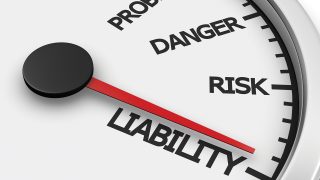
- Stop bragging about being tired. Fatigue isn’t a badge of honor. It’s a liability.
A word for the skeptics
Some of you reading this are still shaking your heads. “Sleep is for civilians,” right?
I used to believe that, too. I lived by the warrior code, the always-on mindset, the “sleep when you’re dead” mentality. Problem is, I saw too many brothers and sisters in blue getting there faster than they should have. Anxiety, divorces, heart attacks, suicides. This job eats people alive when we don’t set boundaries.
It doesn’t make you soft to say you’re tired. It makes you smart. It makes you real. It makes you human. And that humanity? That’s what makes you a better cop, partner, parent and leader.
The wake-up call you didn’t want but needed
This isn’t about being perfect. This is about taking back some control.
Start small. Start tonight. Pick one thing to fix: maybe it’s charging your phone outside the bedroom, or blocking out time for a nap after your shift. Build the habit. Own your recovery like you own your gear. You wouldn’t let your weapon go uncleaned, right? Then don’t let your mind rot from neglect either.
Because in the end, this job demands everything from us. Don’t let it take your sleep, too. Don’t let it take your life.
Clock out. Lie down. Recharge like your life depends on it — because it does.
Antonio Zarzoza
As seen in the November 2025 issue of American Police Beat magazine.
Don’t miss out on another issue today! Click below: