
Editor’s note: This is part 3 of a nine-part series reflecting on the September 11, 2001, terror attacks ahead of their 25th remembrance this year. Retired Port Authority Police Officer Bobby Egbert, a 9/11 first responder veteran, examines the lasting impact the attacks had on the law enforcement profession and the ways our country and world were changed forever.
The courageous battle by the passengers and crew of United Airlines Flight 93 on September 11, 2001, in the skies over Pennsylvania may have been the most heroic act of protecting the U.S. homeland in our nation’s history.
The 33 passengers and seven crew members rose up and fought the four radical Islamic hijackers who, using deadly physical force, had gained control of the aircraft and were intent on attacking Washington, D.C. Their actions were immortalized by passenger Todd Beamer’s final words — “Let’s roll!”
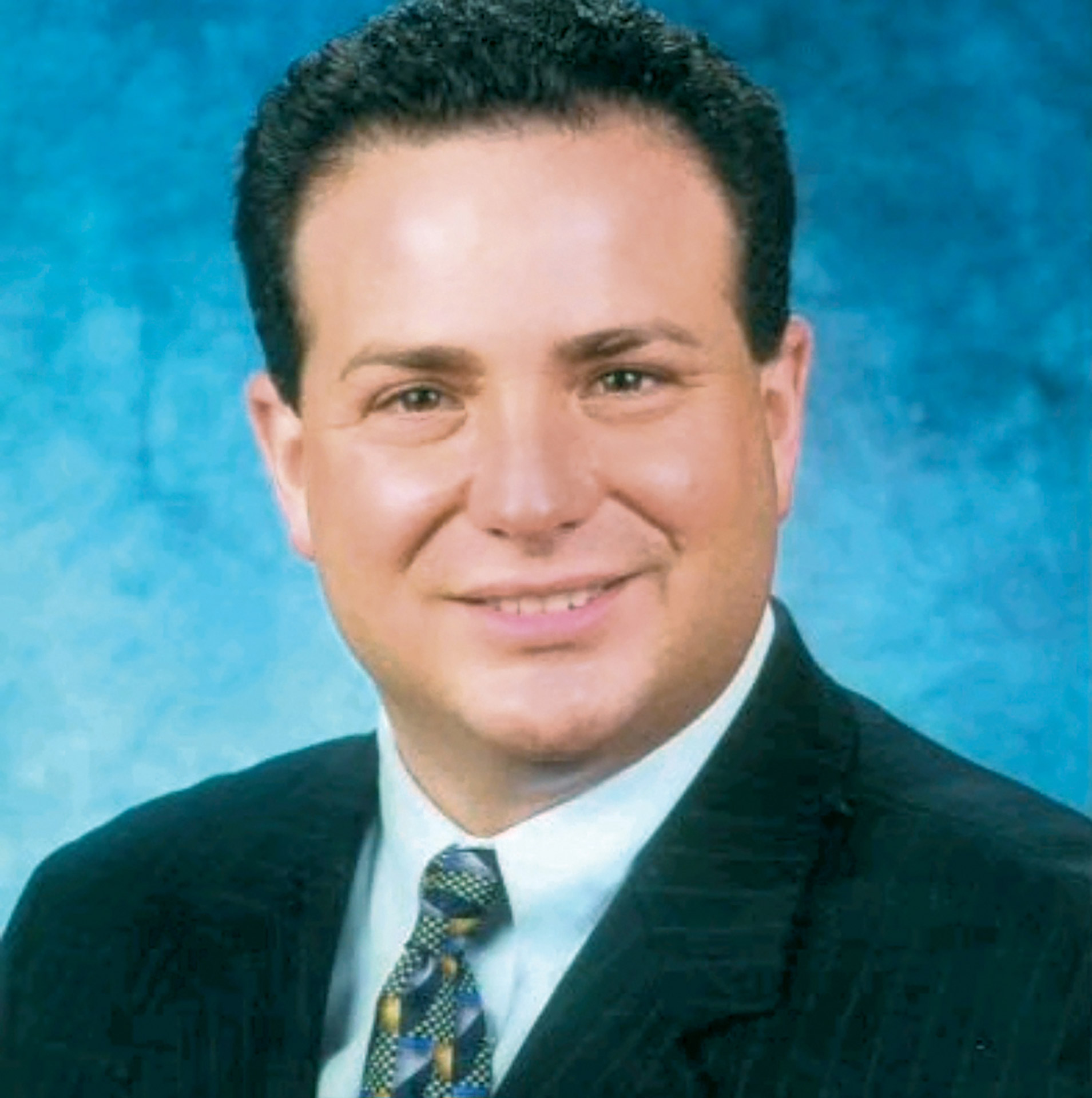
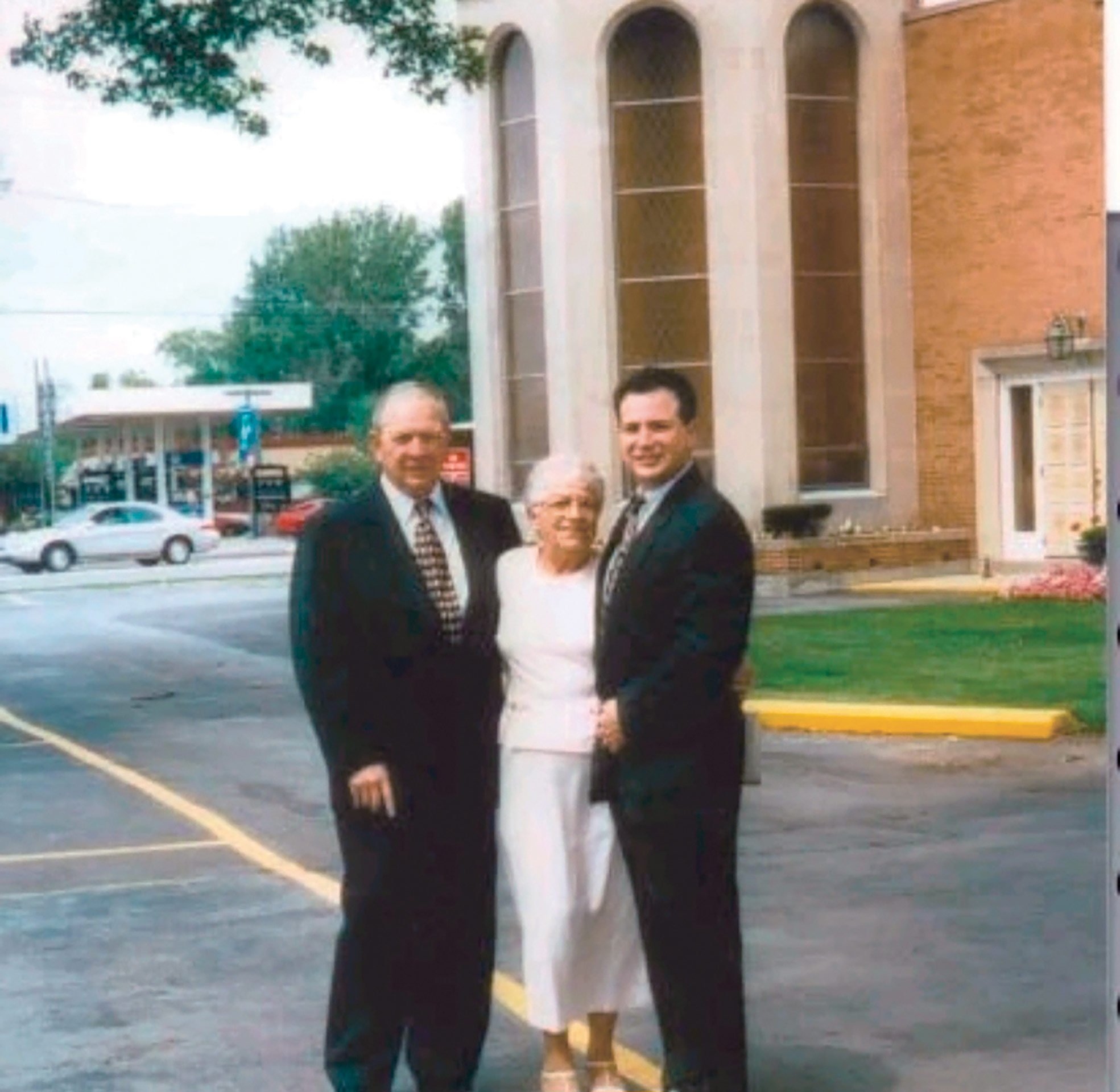
Among those heroes was Louis “Joey” Nacke II. He was a 42-year-old Kay-Bee Toys distribution director who left his New Hope, Pennsylvania, home early Tuesday, September 11, 2001, to catch Flight 93 to San Francisco to investigate a shipment that had gone missing.
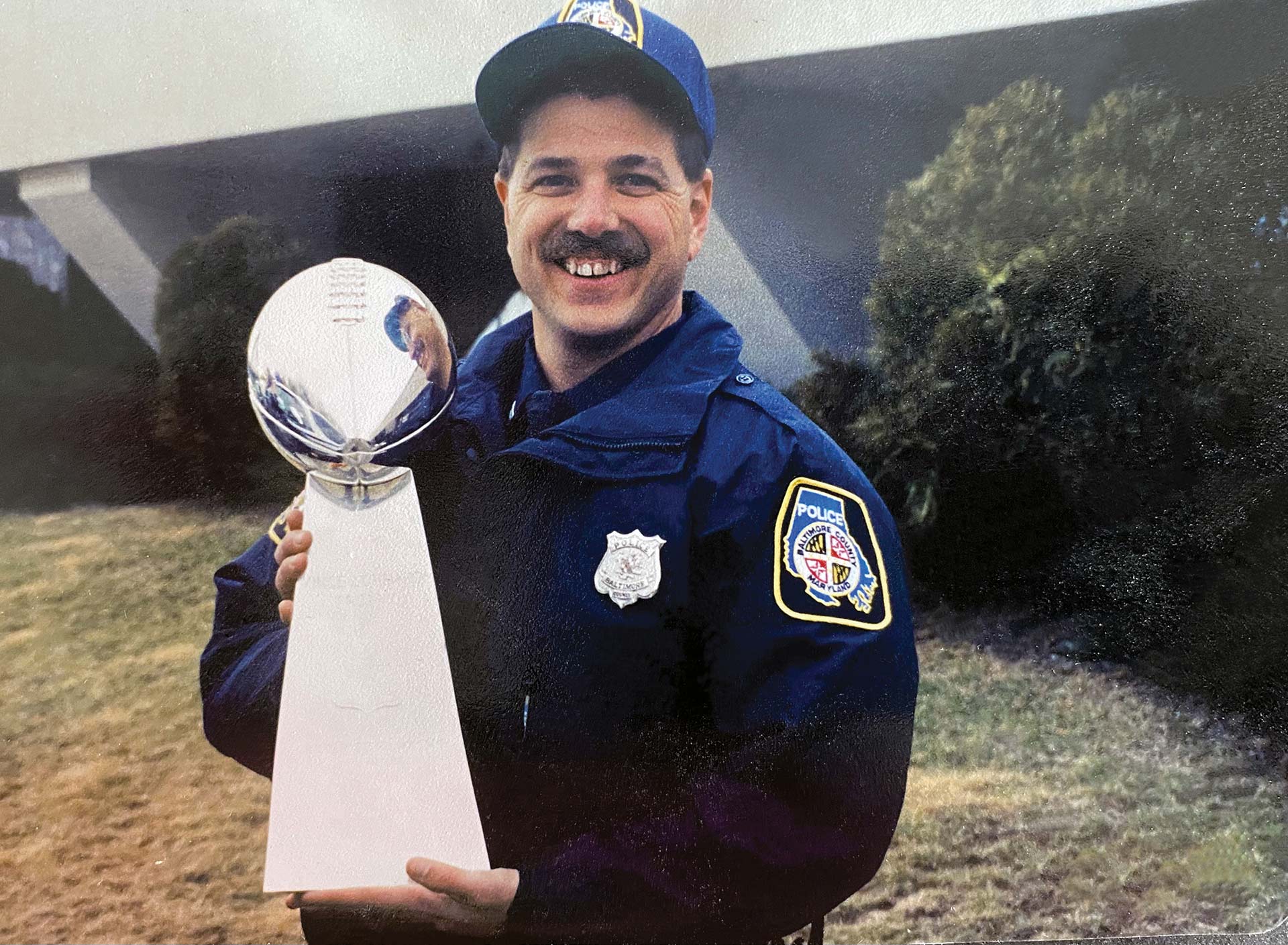
Joey’s brother, Kenny Nacke, a now-retired Baltimore County, Maryland, police detective, began his day on September 11, 2001, as a K-9 officer in the Baltimore County Police Special Operations Division (SOD). He didn’t know his brother was on a business trip to San Francisco when he learned of the attacks in New York City. Those attacks put his department, and law enforcement agencies nationwide, on high alert.
While Kenny was preparing for his tour, the county he served was experiencing a series of bomb scares at multiple locations. Kenny and his partner, K-9 Casey, an explosives detection dog, responded to a multistory building that had reported a bomb threat. Kenny, K-9 Casey and SOD members cleared the job in about an hour.
When Kenny returned to his patrol vehicle, several missed calls from his wife were awaiting him. He quickly called her and was told that his dad thought Joey had been on the flight that crashed in Pennsylvania. By that time, Kenny was aware of the attack on the Pentagon but knew nothing about United Airlines Flight 93.
Without any confirmation, Kenny continued doing his job, protecting the people of Baltimore County, but as time went by, he said, “the hairs on my neck began to rise.”
A short time later, Kenny gathered enough facts to realize Joey, the brother he had always looked up to and wanted to emulate, was dead.
Learning about the final moments of Flight 93, Kenny knew Joey had been at the front of the desperate fight to take back control of the aircraft. He remembers Joey as his brave older brother who “was afraid of no man and had the innate ability to read the room and pivot in a second to react.”
Reflecting on the 30 minutes from the time of the hijacking to the crash, Kenny believes, “their motivation was to go home and have dinner with their families, but when they realized the plane was to be used as a weapon, those 40 heroes rose up saying, ‘not today, not tomorrow, not ever!’”
Kenny said the true story of Flight 93 was “40 strangers who became one. They gave their lives so we can live like it’s September 10.”
It has been rightly said that the first battles in the Global War on Terrorism were fought on September 11th. “What we learned from Flight 93 was that the first battle won in the Global War on Terrorism was fought by the 40 heroes inside the Boeing 757 cabin of Flight 93,” Kenny said while recalling the events of that day.
On Thursday, September 13, Kenny traveled four hours to the crash site after his department notified the Pennsylvania State Police. He was met by troopers and brought to the site, becoming the first family member to see the ruins of Flight 93.
There, he met with the State Police, FBI and members of the National Transportation Safety Board (NTSB). A state police captain told him, “Get your tears out here so you can be strong for your family.”
Kenny said the camaraderie, community and brotherhood of law enforcement gave him the strength and resolve he will always cherish. “The commitment we give to this profession most people can’t understand,” he said. “The only ones are those who do the job.”
They all gathered with him and prayed. It was through that prayer that Kenny realized “everyone lost something that day, whether family, a sense of security or any certainty of a safe future.”
The law enforcement family surrounding Kenny helped him push aside the grieving process for about six months. He recalled, “I never left cop mode. I stayed in it to learn what happened, how it happened.” He needed to do that for his parents. “I had to get answers to Mom and Dad’s questions. They wanted to know why their firstborn was killed and by whom.”
Soon after September 11th, United Airlines brought the families of Flight 93 to Shanksville, Pennsylvania, for a candlelight vigil. Kenny remembers his dad asking, “How are they going to honor the 40 heroes?” Though his dad was a grieving parent, he, like Kenny, knew all 40 heroes had grieving families. “He was thinking that far ahead.”
That question was answered when the Flight 93 National Memorial Act was signed by President George W. Bush in September 2002. Unfortunately, Kenny’s dad never saw the memorial that honors and tells the story of the 40 heroes of Flight 93. He died six weeks after Joey sacrificed his life. Kenny believes his father died of a broken heart.
When President Bush signed the act, “that’s when I took the plunge to keep Joey’s memory and my dad’s wishes alive,” Kenny said.
During that time, Kenny learned that evidence recovered at the crash site helped answer his parents’ questions of who and why. “Evidence that allowed investigators to follow the money, overturning the first stone leading to many others being turned over,” he said. The answers to his parents’ questions slowly began to emerge.
After years of involvement with the Flight 93 National Memorial as one of 15 federal advisory commissioners and as a member of the Flight 93 Memorial Task Force, helping bring the vision of the memorial to life, Kenny now visits the memorial several times a year to tell the story of Flight 93, so visitors know the passengers, the crew and their heroic actions. “We now have a generation of people who were not even born then,” he said. “They need to know.”

Bobby Egbert
As seen in the March 2026 issue of American Police Beat magazine.
Don’t miss out on another issue today! Click below: