• Skip to primary navigation
  • Skip to main content
  • Skip to primary sidebar
  • Skip to footer
  • Home
  • About
  • The Magazine
  • Events
  • Partners
  • Products
  • Contact
  • Jobs and Careers
  • Advertise
  • Facebook
  • Instagram
  • Twitter
  • Subscribe
American Police Beat

American Police Beat Magazine

Law Enforcement Publication

  • Home
  • Leadership
    • Understanding the boundaries of professional relationships with the...
      Why you should lead from 30,000 feet
      Public perception and trust
      When performance reviews are a waste of time
      Taking a page from Toyota’s playbook
  • Topics
    • Leadership
      • Understanding the boundaries of professional relationships with the...
        Why you should lead from 30,000 feet
        Public perception and trust
        When performance reviews are a waste of time
        Taking a page from Toyota’s playbook
    • Editor’s Picks
      • Let’s get moving!
        Heroes of the World Trade Center
        The Promise Gap
        Corruption, collusion and impunity
        Liability challenges in contemporary policing
    • On the Job
      • Frankpledge to forensics: A brief history of law enforcement
        Villains and heroes in the Big Apple
        Right place, right time — again
        Some good news on crime
        Mom-to-be named Cop of the Year
    • Labor
      • The Promise Gap
        Cut the cops, save a dollar?
        Labor release under fire
        Who’s watching the watchmen?
        Crime and punishment (or lack thereof) in Seattle
    • Tech
      • New Mexico license plate readers save lives, lead to “precise...
        A modern field guide to understanding research in policing
        Gear that moves with you
        A new breed of cop car
        The future of patrol is here
    • Training
      • Pushback as a training signal
        Let’s get moving!
        The five minutes before the ambulance
        Navigating danger
        Critical thinking in police training
    • Policy
      • Corruption, collusion and impunity
        E-bikes spark public safety concerns
        Try racing without wheels
        Law enforcement accreditation: Why it matters
        Liability challenges in contemporary policing
    • Health/Wellness
      • Addressing stress, vicarious trauma and burnout
        Nervous system regulation
        The nature of the job
        Promoting organizational wellness
        Telling cops to get more sleep isn’t working
    • Community
      • Improving autism awareness
        Shop with a Cop
        Community engagement: What is it moving forward?
        Contradictory crossroads
        Back-to-school season brings out police support nationwide
    • Offbeat
      • An unexpected burglar
        Police humor only a cop would understand
        Not eggzactly a perfect heist
        Pizza … with a side of alligator?
        Wisconsin man charged with impersonating Border Patrol agent twice in...
    • We Remember
      • Heroes of the World Trade Center
        Forty heroes: United Airlines Flight 93
        The Pentagon
        A nation propelled to war, lives changed forever
        A Christmas loss
    • HOT Mail
      • The War on Cops Continues Unabated
  • On the Job
    • Frankpledge to forensics: A brief history of law enforcement
      Villains and heroes in the Big Apple
      Right place, right time — again
      Some good news on crime
      Mom-to-be named Cop of the Year
  • Labor
    • The Promise Gap
      Cut the cops, save a dollar?
      Labor release under fire
      Who’s watching the watchmen?
      Crime and punishment (or lack thereof) in Seattle
  • Tech
    • New Mexico license plate readers save lives, lead to “precise...
      A modern field guide to understanding research in policing
      Gear that moves with you
      A new breed of cop car
      The future of patrol is here
  • Training
    • Pushback as a training signal
      Let’s get moving!
      The five minutes before the ambulance
      Navigating danger
      Critical thinking in police training
  • Policy
    • Corruption, collusion and impunity
      E-bikes spark public safety concerns
      Try racing without wheels
      Law enforcement accreditation: Why it matters
      Liability challenges in contemporary policing
  • Health/Wellness
    • Addressing stress, vicarious trauma and burnout
      Nervous system regulation
      The nature of the job
      Promoting organizational wellness
      Telling cops to get more sleep isn’t working
  • Community
    • Improving autism awareness
      Shop with a Cop
      Community engagement: What is it moving forward?
      Contradictory crossroads
      Back-to-school season brings out police support nationwide
  • Offbeat
    • An unexpected burglar
      Police humor only a cop would understand
      Not eggzactly a perfect heist
      Pizza … with a side of alligator?
      Wisconsin man charged with impersonating Border Patrol agent twice in...
  • We Remember
    • Heroes of the World Trade Center
      Forty heroes: United Airlines Flight 93
      The Pentagon
      A nation propelled to war, lives changed forever
      A Christmas loss
  • HOT Mail
    • The War on Cops Continues Unabated
  • About
  • The Magazine
  • Events
  • Partners
  • Products
  • Contact
  • Jobs and Careers
  • Advertise
  • Subscribe
Search

Policy

Utah bill would allow people with “invisible conditions” to alert law enforcement

APB Team Published March 15, 2023 @ 12:00 pm PDT

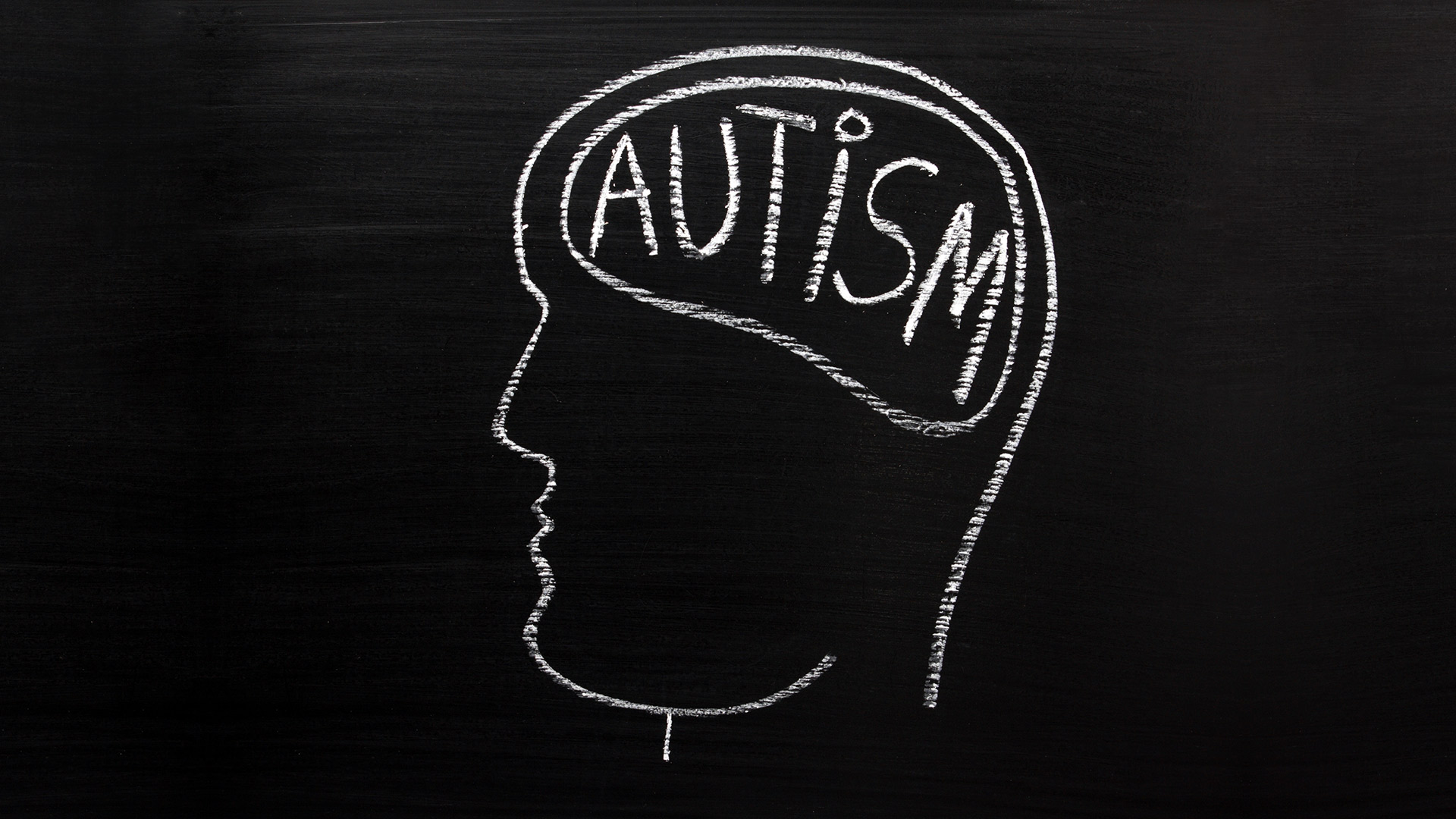
Dreamstime.com/Thinglass

Utah lawmakers have passed a bill that would allow individuals to alert law enforcement to any “invisible conditions” — mental or physical — they may have to prevent potentially fatal interactions.

Lawmakers hope the legislation will save more lives by allowing individuals with conditions like autism, which can lead to dangerous behaviors such as erratic actions or ignoring police orders, to warn offers of their condition prior to an encounter.

The bill passed both chambers of the legislature and heads to the governor’s desk for approval.

According to the bill, those with invisible conditions – such as autism, diabetes, Parkinson’s, dementia or PTSD — will be able to register with the state and obtain a decal they can put on their car or a mark that goes on their driver’s license to signify their diagnosis.

Bill sponsor Representative Steve Eliason of Sandy said that misunderstandings between those with such conditions and police officers have often had “tragic outcomes.”

According to a database of police shootings compiled by The Salt Lake Tribune, more than 40% of shootings between 2010 and 2020 involved someone having a mental crisis or someone with a mental health condition.

Co-sponsor Senator Jacob Anderegg said that the bill will also allow individuals with a diagnosis to register their information to management or computer-aided dispatch systems police use to check for warrants or criminal history.

This means that any time an officer or dispatcher inputs a person’s name or address into the system, they are then notified of the person’s condition.

Anderegg said that being aware of a person’s conditions could help law enforcement officers to change their approach or utilize their de-escalation training during interactions with such individuals.

“My goal was to try to provide a tool and solution such that people who were concerned for their loved ones could pre-engage and make sure that, as much as possible, that our first responders had the information and the tools necessary so that their loved ones could come home,” Anderegg said.

The bill does not require those with such conditions to participate in the program, but lawmakers hope it will give peace of mind to many suffering with invisible conditions.

“I think this is a small step to protect both law enforcement and give them additional tools, as well as give individuals who have an invisible condition or disability the option to make that known to help further the information that’s out there,” Eliason said.

The bill also directs money to the Department of Health and Human Services to promote awareness of the program.


Categories: Policy Tags: mental health crisis, Utah, autism, invisible conditions, training, shooting, legislation, program, de-escalation, bill

Primary Sidebar

Recent Articles

  • Frankpledge to forensics: A brief history of law enforcement
  • Pushback as a training signal
  • Let’s get moving!
  • Heroes of the World Trade Center
  • The Promise Gap
  • Corruption, collusion and impunity
  • The five minutes before the ambulance
  • New Mexico license plate readers save lives, lead to “precise policing”
  • Addressing stress, vicarious trauma and burnout
  • Understanding the boundaries of professional relationships with the boss

Footer

Our Mission
To serve as a trusted voice of the nation’s law enforcement community, providing informative, entertaining and inspiring content on interesting and engaging topics affecting peace officers today.

Contact us: info@apbweb.com | (800) 234-0056.

  • Facebook
  • Instagram
  • Twitter

Categories

  • Editor’s Picks
  • On the Job
  • Labor
  • Tech
  • Training
  • Policy
  • Health/Wellness
  • Community
  • Offbeat
  • We Remember
  • Jobs and Careers
  • Events

Editor’s Picks

Let’s get moving!

Let’s get moving!

April 27, 2026

Heroes of the World Trade Center

Heroes of the World Trade Center

April 24, 2026

The Promise Gap

The Promise Gap

April 22, 2026

Corruption, collusion and impunity

Corruption, collusion and impunity

April 21, 2026

Policies | Consent Preferences | Copyright © 2026 APB Media, LLC | Website design, development and maintenance by 911MEDIA

Open

Subscribe

Close

Receive the latest news and updates from American Police Beat directly to your inbox!

  • This field is for validation purposes and should be left unchanged.