• Skip to primary navigation
  • Skip to main content
  • Skip to primary sidebar
  • Skip to footer
  • Home
  • About
  • The Magazine
  • Events
  • Partners
  • Products
  • Contact
  • Jobs and Careers
  • Advertise
  • Facebook
  • Instagram
  • Twitter
  • Subscribe
American Police Beat

American Police Beat Magazine

Law Enforcement Publication

  • Home
  • Leadership
    • Clarifying your “true north”
      The job has changed — have you?
      Perpetual recognition of line-of-duty deaths
      Understanding the boundaries of professional relationships with the...
      Why you should lead from 30,000 feet
  • Topics
    • Leadership
      • Clarifying your “true north”
        The job has changed — have you?
        Perpetual recognition of line-of-duty deaths
        Understanding the boundaries of professional relationships with the...
        Why you should lead from 30,000 feet
    • Editor’s Picks
      • Let’s get moving!
        Heroes of the World Trade Center
        The Promise Gap
        Corruption, collusion and impunity
        Liability challenges in contemporary policing
    • On the Job
      • K-9 officer turns children’s book author
        K-9 Day demonstrates scope of officers’ duties
        Testing the waters — literally
        Frankpledge to forensics: A brief history of law enforcement
        Villains and heroes in the Big Apple
    • Labor
      • Smile and let them swing
        The Promise Gap
        Cut the cops, save a dollar?
        Labor release under fire
        Who’s watching the watchmen?
    • Tech
      • NYC’s electric vehicle fleet for LE passes milestone
        New Mexico license plate readers save lives, lead to “precise...
        A modern field guide to understanding research in policing
        Gear that moves with you
        A new breed of cop car
    • Training
      • Pushback as a training signal
        Let’s get moving!
        The five minutes before the ambulance
        Navigating danger
        Critical thinking in police training
    • Policy
      • Police and local government leaders join forces to build community...
        Police pause license plate readers
        Corruption, collusion and impunity
        E-bikes spark public safety concerns
        Try racing without wheels
    • Health/Wellness
      • The days that follow
        Addressing stress, vicarious trauma and burnout
        Nervous system regulation
        The nature of the job
        Promoting organizational wellness
    • Community
      • Cops promote National Donate Life Month
        Police officer kicks up social media praise
        Donning denim in solidarity with victims and survivors of sexual...
        Improving autism awareness
        Shop with a Cop
    • Offbeat
      • An unexpected burglar
        Police humor only a cop would understand
        Not eggzactly a perfect heist
        Pizza … with a side of alligator?
        Wisconsin man charged with impersonating Border Patrol agent twice in...
    • We Remember
      • A Tribute to Fallen Heroes
        Markers of service and remembrance
        Tragedy strikes Baker to Vegas
        Heroes of the World Trade Center
        Forty heroes: United Airlines Flight 93
    • HOT Mail
      • The War on Cops Continues Unabated
  • On the Job
    • K-9 officer turns children’s book author
      K-9 Day demonstrates scope of officers’ duties
      Testing the waters — literally
      Frankpledge to forensics: A brief history of law enforcement
      Villains and heroes in the Big Apple
  • Labor
    • Smile and let them swing
      The Promise Gap
      Cut the cops, save a dollar?
      Labor release under fire
      Who’s watching the watchmen?
  • Tech
    • NYC’s electric vehicle fleet for LE passes milestone
      New Mexico license plate readers save lives, lead to “precise...
      A modern field guide to understanding research in policing
      Gear that moves with you
      A new breed of cop car
  • Training
    • Pushback as a training signal
      Let’s get moving!
      The five minutes before the ambulance
      Navigating danger
      Critical thinking in police training
  • Policy
    • Police and local government leaders join forces to build community...
      Police pause license plate readers
      Corruption, collusion and impunity
      E-bikes spark public safety concerns
      Try racing without wheels
  • Health/Wellness
    • The days that follow
      Addressing stress, vicarious trauma and burnout
      Nervous system regulation
      The nature of the job
      Promoting organizational wellness
  • Community
    • Cops promote National Donate Life Month
      Police officer kicks up social media praise
      Donning denim in solidarity with victims and survivors of sexual...
      Improving autism awareness
      Shop with a Cop
  • Offbeat
    • An unexpected burglar
      Police humor only a cop would understand
      Not eggzactly a perfect heist
      Pizza … with a side of alligator?
      Wisconsin man charged with impersonating Border Patrol agent twice in...
  • We Remember
    • A Tribute to Fallen Heroes
      Markers of service and remembrance
      Tragedy strikes Baker to Vegas
      Heroes of the World Trade Center
      Forty heroes: United Airlines Flight 93
  • HOT Mail
    • The War on Cops Continues Unabated
  • About
  • The Magazine
  • Events
  • Partners
  • Products
  • Contact
  • Jobs and Careers
  • Advertise
  • Subscribe
Search

Health/Wellness

What is trauma?

First responders are at high risk

Dr. Mariya Dvoskina Published March 20, 2022 @ 6:00 am PDT

iStock.com/tupungato

Police officers are composed of incredibly resilient individuals who excel at bouncing back from stress and adversity. However, as first responders to the distress and suffering of others, these individuals (you) are also at a particularly high risk of exposure to both vicarious and, in some cases, impact trauma.

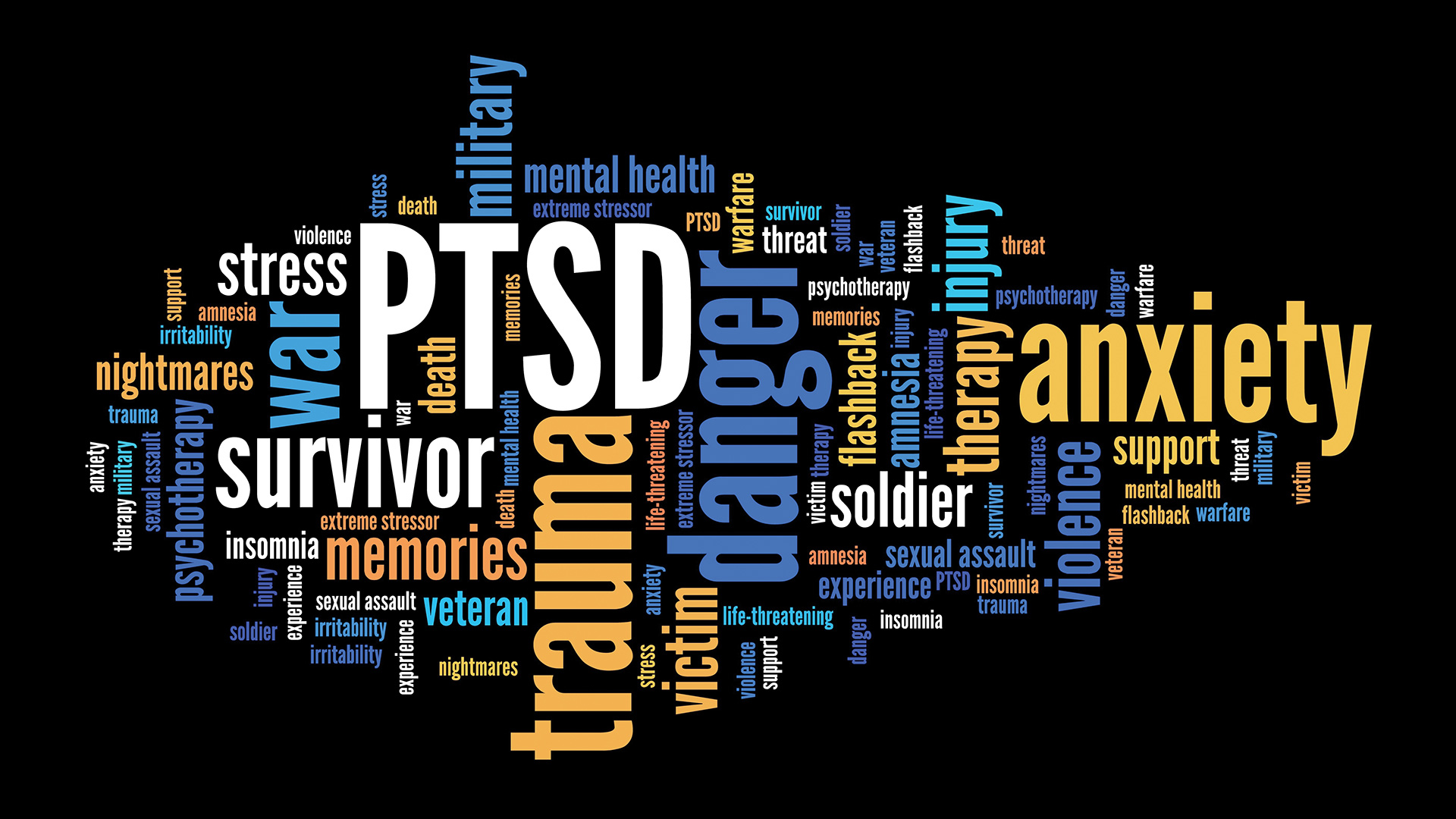
Trauma is generally categorized in two ways: impact and vicarious. Impact trauma is an event that has happened directly to you. For a long time, it was thought that only impact trauma could cause the development of post-traumatic stress disorder (PTSD) or other severe traumatic responses. However, we now know that vicarious trauma (also known as compassion fatigue) can be just as impactful. One way to think about compassion fatigue, as offered by the American Counseling Association, is as “emotional residue” from hearing the trauma stories of or witnessing traumatic events happen to others. If we think about stress and trauma as contagious, then it makes sense how continued exposure may put first responders at a greater risk. Another way to think about it is, “too much, too many, too long.” As part of their day-to-day work, first responders may experience too much (high intensity of traumatic calls), too many (high number of traumatic calls) and too long (prolonged exposure to traumatic calls). This continued exposure can begin to chip away at even the strongest emotional armor.

If we think about stress and trauma as contagious, then it makes sense how continued exposure may put first responders at a greater risk.

It is important to know that two (or any number of) officers who respond to the same traumatic scene or call will not necessarily be impacted in the same way. Jane may feel like she is doing “OK,” while Joe is feeling the side effects of what he saw. It is important to try to not compare yourself to others when examining your own response. As I mentioned, the way someone else reacts is not an accurate metric for you, and also because cops tend to hide any feelings that they deem make them look weak in front of their peers. Thus, while you may think the person next to you is doing OK, so “why aren’t I?” you may not be seeing the full picture. Second, it is important to know that most people who are exposed to traumatic events will not go on to develop PTSD or even trauma symptoms. What this means is, it is OK if you’re doing OK. For example, in post-OIS debriefs I often normalize for officers that it is typical to feel “OK.” This is usually followed by a visible sigh of relief by the officer and an exclamation along the lines of, “Thank God you said that! The biggest thing I was worried about is that I was weird for feeling fine.” On the other hand, it is also important that you are honest with yourself if you do feel traumatic symptoms. Know that if you do not address it head-on, it will only come back to haunt you later.

What does trauma do to us? Trauma symptoms come in many forms, and you can have trauma symptoms even if you do not fully meet criteria for PTSD. Less important than the academic labels that we may have for symptoms are the actual human experiences. Individuals who feel traumatized may feel “broken” (they are not) and alone in their experiences. For first responders, sometimes one of the toughest parts is the shrinking of your comfort zone. Used to being the ones who run toward the danger when no one else will, after experiencing a traumatic event they may notice the desire to now avoid the calls they had no problem with before. This can feel like an identity shattering effect. In addition to the shattering of comfort zones, intrusions and flashbacks are other common symptoms. Intrusions can affect any of the sensory modalities, and can come in the form of day-walkers (occur during the day and interfere with routine activities), night-walkers (interfere with the ability to fall or stay asleep) and dream-walkers (such as nightmares). Flashbacks are like psychological and physiological time machines that can be triggered by the most unexpected of stimuli. These symptoms may also be accompanied by hypervigilance and other changes in your “baseline” mood.

If you are experiencing any of these symptoms, know that there are many effective interventions for trauma out there. In a recent publication, fellow police psychologist Dr. Stephanie Conn wrote about the power of eye movement desensitization and reprocessing (EMDR) therapy, which is just one type of effective trauma treatment. No matter what you are struggling with, remember that help is available if you seek it.

Dr. Mariya Dvoskina

Dr. Mariya Dvoskina

Dr. Mariya Dvoskina is a police and public safety psychologist working with Nicoletti-Flater Associates in Colorado. She provides consultation, training, counseling, peer support supervision and critical incident response services to local and federal agencies.

View articles by Dr. Mariya Dvoskina

As seen in the March 2022 issue of American Police Beat magazine.
Don’t miss out on another issue today! Click below:


SUBSCRIBE TODAY!

Categories: Health/Wellness

Primary Sidebar

Recent Articles

  • K-9 officer turns children’s book author
  • Police and local government leaders join forces to build community trust
  • K-9 Day demonstrates scope of officers’ duties
  • Cops promote National Donate Life Month
  • NYC’s electric vehicle fleet for LE passes milestone
  • Police officer kicks up social media praise
  • Donning denim in solidarity with victims and survivors of sexual assault
  • Clarifying your “true north”
  • Smile and let them swing
  • The job has changed — have you?

Footer

Our Mission
To serve as a trusted voice of the nation’s law enforcement community, providing informative, entertaining and inspiring content on interesting and engaging topics affecting peace officers today.

Contact us: info@apbweb.com | (800) 234-0056.

  • Facebook
  • Instagram
  • Twitter

Categories

  • Editor’s Picks
  • On the Job
  • Labor
  • Tech
  • Training
  • Policy
  • Health/Wellness
  • Community
  • Offbeat
  • We Remember
  • Jobs and Careers
  • Events

Editor’s Picks

Let’s get moving!

Let’s get moving!

April 27, 2026

Heroes of the World Trade Center

Heroes of the World Trade Center

April 24, 2026

The Promise Gap

The Promise Gap

April 22, 2026

Corruption, collusion and impunity

Corruption, collusion and impunity

April 21, 2026

Policies | Consent Preferences | Copyright © 2026 APB Media, LLC | Website design, development and maintenance by 911MEDIA

Open

Subscribe

Close

Receive the latest news and updates from American Police Beat directly to your inbox!

  • This field is for validation purposes and should be left unchanged.