• Skip to primary navigation
  • Skip to main content
  • Skip to primary sidebar
  • Skip to footer
  • Home
  • About
  • The Magazine
  • Events
  • Partners
  • Products
  • Contact
  • Jobs and Careers
  • Advertise
  • Facebook
  • Instagram
  • Twitter
  • Subscribe
American Police Beat

American Police Beat Magazine

Law Enforcement Publication

  • Home
  • Leadership
    • Understanding the boundaries of professional relationships with the...
      Why you should lead from 30,000 feet
      Public perception and trust
      When performance reviews are a waste of time
      Taking a page from Toyota’s playbook
  • Topics
    • Leadership
      • Understanding the boundaries of professional relationships with the...
        Why you should lead from 30,000 feet
        Public perception and trust
        When performance reviews are a waste of time
        Taking a page from Toyota’s playbook
    • Editor’s Picks
      • Liability challenges in contemporary policing
        When performance reviews are a waste of time
        Proactive wellness visits
        Taking a page from Toyota’s playbook
        Law enforcement’s missing weapon
    • On the Job
      • Villains and heroes in the Big Apple
        Right place, right time — again
        Some good news on crime
        Mom-to-be named Cop of the Year
        Fatherly instincts save boy from icy water
    • Labor
      • Cut the cops, save a dollar?
        Labor release under fire
        Who’s watching the watchmen?
        Crime and punishment (or lack thereof) in Seattle
        Labor leadership out in the field
    • Tech
      • New Mexico license plate readers save lives, lead to “precise...
        A modern field guide to understanding research in policing
        Gear that moves with you
        A new breed of cop car
        The future of patrol is here
    • Training
      • The five minutes before the ambulance
        Navigating danger
        Critical thinking in police training
        Threshold neuroscience
        Integrated virtual reality training
    • Policy
      • E-bikes spark public safety concerns
        Try racing without wheels
        Law enforcement accreditation: Why it matters
        Liability challenges in contemporary policing
        The war on drugs is evolving
    • Health/Wellness
      • Addressing stress, vicarious trauma and burnout
        Nervous system regulation
        The nature of the job
        Promoting organizational wellness
        Telling cops to get more sleep isn’t working
    • Community
      • Improving autism awareness
        Shop with a Cop
        Community engagement: What is it moving forward?
        Contradictory crossroads
        Back-to-school season brings out police support nationwide
    • Offbeat
      • An unexpected burglar
        Police humor only a cop would understand
        Not eggzactly a perfect heist
        Pizza … with a side of alligator?
        Wisconsin man charged with impersonating Border Patrol agent twice in...
    • We Remember
      • Forty heroes: United Airlines Flight 93
        The Pentagon
        A nation propelled to war, lives changed forever
        A Christmas loss
        York County ambush leaves three officers dead, others critically...
    • HOT Mail
      • The War on Cops Continues Unabated
  • On the Job
    • Villains and heroes in the Big Apple
      Right place, right time — again
      Some good news on crime
      Mom-to-be named Cop of the Year
      Fatherly instincts save boy from icy water
  • Labor
    • Cut the cops, save a dollar?
      Labor release under fire
      Who’s watching the watchmen?
      Crime and punishment (or lack thereof) in Seattle
      Labor leadership out in the field
  • Tech
    • New Mexico license plate readers save lives, lead to “precise...
      A modern field guide to understanding research in policing
      Gear that moves with you
      A new breed of cop car
      The future of patrol is here
  • Training
    • The five minutes before the ambulance
      Navigating danger
      Critical thinking in police training
      Threshold neuroscience
      Integrated virtual reality training
  • Policy
    • E-bikes spark public safety concerns
      Try racing without wheels
      Law enforcement accreditation: Why it matters
      Liability challenges in contemporary policing
      The war on drugs is evolving
  • Health/Wellness
    • Addressing stress, vicarious trauma and burnout
      Nervous system regulation
      The nature of the job
      Promoting organizational wellness
      Telling cops to get more sleep isn’t working
  • Community
    • Improving autism awareness
      Shop with a Cop
      Community engagement: What is it moving forward?
      Contradictory crossroads
      Back-to-school season brings out police support nationwide
  • Offbeat
    • An unexpected burglar
      Police humor only a cop would understand
      Not eggzactly a perfect heist
      Pizza … with a side of alligator?
      Wisconsin man charged with impersonating Border Patrol agent twice in...
  • We Remember
    • Forty heroes: United Airlines Flight 93
      The Pentagon
      A nation propelled to war, lives changed forever
      A Christmas loss
      York County ambush leaves three officers dead, others critically...
  • HOT Mail
    • The War on Cops Continues Unabated
  • About
  • The Magazine
  • Events
  • Partners
  • Products
  • Contact
  • Jobs and Careers
  • Advertise
  • Subscribe
Search

Policy

Anchorage police may soon carry Narcan after rising fentanyl overdoses

APB Team Published August 14, 2022 @ 3:00 pm PDT

Marvin Samuel Tolentino Pineda

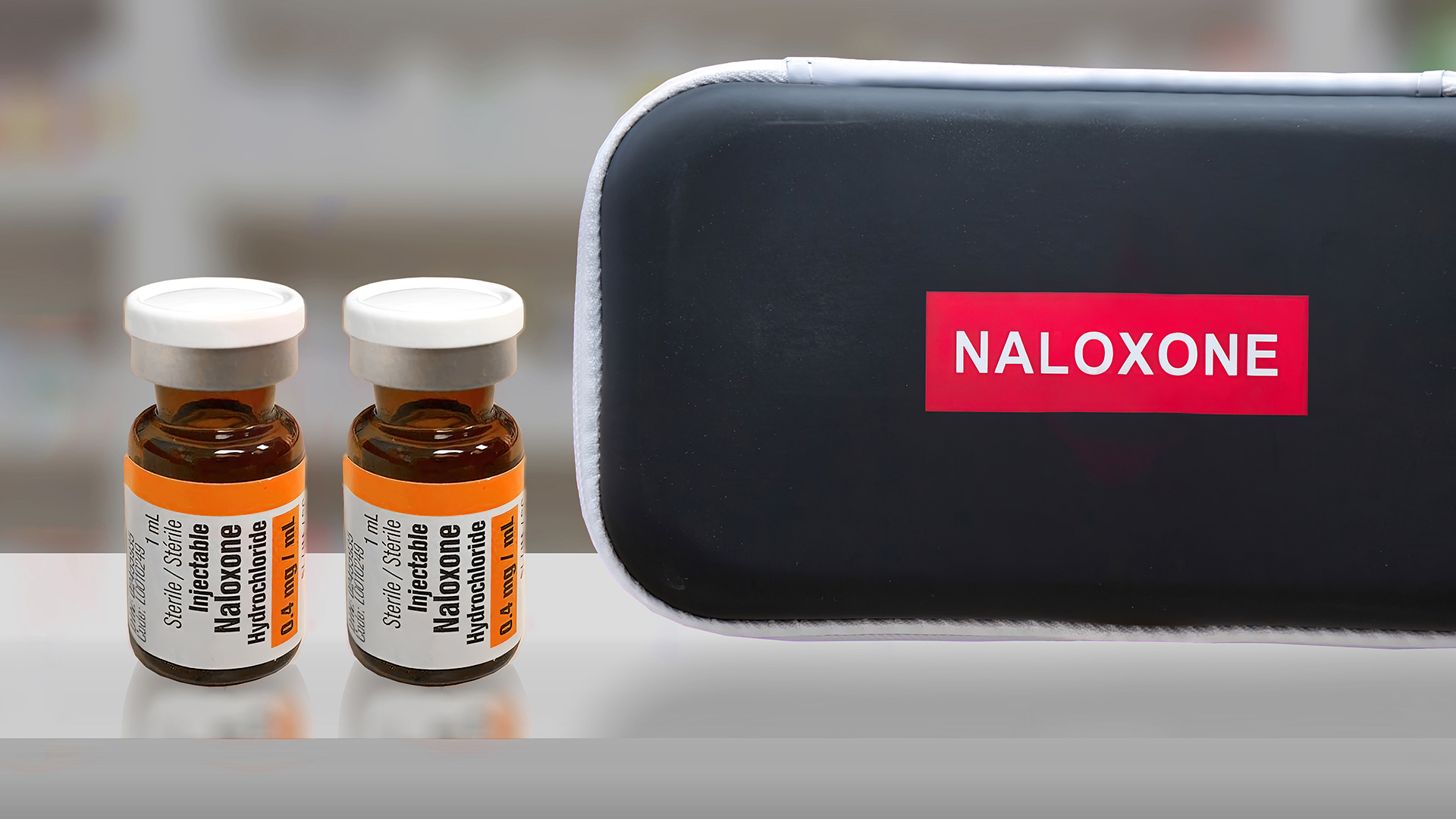
The Anchorage Police Department is considering changing its policy regarding the use of naloxone — a drug used to treat fentanyl overdoses — after advocates called for it to be carried by police officers.

“Going forward, we will probably have a change in our status on whether we’re carrying Narcan or not,” Chief Michael Kerle said in a recent Public Safety Committee meeting.

Currently, Anchorage officers do not carry naloxone, often known by the common brand name Narcan, and are just trained to perform CPR on overdose victims who are not breathing. However, after rising fentanyl overdose deaths in the state, advocates are pushing for anything that can protect future victims.

Sandy Snodgrass is one of those advocates. Her 22-year-old son, Bruce, was a victim of fentanyl poisoning last year. Snodgrass joined other demonstrators outside the APD headquarters to push for the use of the opioid overdose reversal drug.

She told Anchorage Daily News that she was “very grateful for [Kerle] for considering changing the policy.”

“The goal is to save lives. That’s the bottom line. And I think he wants that too,” Snodgrass said, adding that she hopes providing officers with the drug will lead to faster response times.

The APD is one of the few agencies in the region that does not equip its officers with Narcan. According to officials, this is because of the fast co-response times for paramedics who do carry the drug, making it redundant for officers to carry it as well.

However, Kerle said that Dr. Mike Levy, the Anchorage EMS areawide medical director with the Anchorage Fire Department, made him reconsider the issue.

Kerle cited an interview where Levy discussed the issue and said he was OK with the policy change.

“I just read the article, and [Dr. Levy] now says he doesn’t have a problem with us carrying it anymore. So we’re going to evaluate whether we should carry it,” Kerle said.

Levy advises the fire department on policy, and has worked with previous police chiefs in the past with developing medical policy. He said he has not discussed the Narcan issue with Kerle.

“He has always advised us he did not think it was a good idea for the Anchorage police to carry Narcan because we have a great co-response from the fire department,” Kerle said.

Levy recently told the Daily News that officers could carry Narcan as long as they were properly trained to do so and continued to perform CPR during overdoses. He said he would support the policy change for officers to carry Narcan if Kerle decided on it.

Advocates recently pointed to the fact that the department’s overdose policy has not evolved to meet the devastating rise of fentanyl poisonings. Since 2018, overdose deaths in Anchorage have nearly tripled. Last year, there were 245 overdose deaths, and six out of 10 were linked to fentanyl.

Project HOPE, a program with the state’s Office of Substance Misuse and Addiction Prevention, recently sent 600 naloxone kits to the department and said it would train officers on how to use them. However, the APD returned the kits because there was not currently a policy in place allowing officers to carry them, and until there is, Kerle felt they could better be used elsewhere.

The timeline for any policy change was unclear, but Kerle said ongoing funding is the primary barrier. “Everyone’s coming out of the woodwork to give free Narcan right now. Once that’s over, Narcan is like, $37.50 a dose, and we need to come up with a funding source,” he explained. “It’s going to be expensive, and the majority of that’s going to get thrown away because we’re not going to use it.”

In addition to purchasing the drug, training and safety costs could add to the total price tag.

Categories: Policy Tags: Michael Kerle, drug, policy, paramedics, CPR, opioid, Alaska, Anchorage Police Department, fentanyl overdoses, Narcan

Primary Sidebar

Recent Articles

  • The five minutes before the ambulance
  • New Mexico license plate readers save lives, lead to “precise policing”
  • Addressing stress, vicarious trauma and burnout
  • Understanding the boundaries of professional relationships with the boss
  • E-bikes spark public safety concerns
  • Improving autism awareness
  • Cut the cops, save a dollar?
  • Villains and heroes in the Big Apple
  • NLEOMF announces February 2026 Officers of the Month
  • Fallen law enforcement officers from across the country to be honored during 38th Annual Candlelight Vigil on May 13 in Washington, D.C.

Footer

Our Mission
To serve as a trusted voice of the nation’s law enforcement community, providing informative, entertaining and inspiring content on interesting and engaging topics affecting peace officers today.

Contact us: info@apbweb.com | (800) 234-0056.

  • Facebook
  • Instagram
  • Twitter

Categories

  • Editor’s Picks
  • On the Job
  • Labor
  • Tech
  • Training
  • Policy
  • Health/Wellness
  • Community
  • Offbeat
  • We Remember
  • Jobs and Careers
  • Events

Editor’s Picks

Liability challenges in contemporary policing

Liability challenges in contemporary policing

February 27, 2026

When performance reviews are a waste of time

When performance reviews are a waste of time

February 26, 2026

Proactive wellness visits

Proactive wellness visits

February 25, 2026

Taking a page from Toyota’s playbook

Taking a page from Toyota’s playbook

February 23, 2026

Policies | Consent Preferences | Copyright © 2026 APB Media, LLC | Website design, development and maintenance by 911MEDIA

Open

Subscribe

Close

Receive the latest news and updates from American Police Beat directly to your inbox!

  • This field is for validation purposes and should be left unchanged.