• Skip to primary navigation
  • Skip to main content
  • Skip to primary sidebar
  • Skip to footer
  • Home
  • About
  • The Magazine
  • Events
  • Partners
  • Products
  • Contact
  • Jobs and Careers
  • Advertise
  • Facebook
  • Instagram
  • Twitter
  • Subscribe
American Police Beat

American Police Beat Magazine

Law Enforcement Publication

  • Home
  • Leadership
    • Understanding the boundaries of professional relationships with the...
      Why you should lead from 30,000 feet
      Public perception and trust
      When performance reviews are a waste of time
      Taking a page from Toyota’s playbook
  • Topics
    • Leadership
      • Understanding the boundaries of professional relationships with the...
        Why you should lead from 30,000 feet
        Public perception and trust
        When performance reviews are a waste of time
        Taking a page from Toyota’s playbook
    • Editor’s Picks
      • Liability challenges in contemporary policing
        When performance reviews are a waste of time
        Proactive wellness visits
        Taking a page from Toyota’s playbook
        Law enforcement’s missing weapon
    • On the Job
      • Villains and heroes in the Big Apple
        Right place, right time — again
        Some good news on crime
        Mom-to-be named Cop of the Year
        Fatherly instincts save boy from icy water
    • Labor
      • Cut the cops, save a dollar?
        Labor release under fire
        Who’s watching the watchmen?
        Crime and punishment (or lack thereof) in Seattle
        Labor leadership out in the field
    • Tech
      • New Mexico license plate readers save lives, lead to “precise...
        A modern field guide to understanding research in policing
        Gear that moves with you
        A new breed of cop car
        The future of patrol is here
    • Training
      • Navigating danger
        Critical thinking in police training
        Threshold neuroscience
        Integrated virtual reality training
        Hit the pause button
    • Policy
      • E-bikes spark public safety concerns
        Try racing without wheels
        Law enforcement accreditation: Why it matters
        Liability challenges in contemporary policing
        The war on drugs is evolving
    • Health/Wellness
      • Addressing stress, vicarious trauma and burnout
        Nervous system regulation
        The nature of the job
        Promoting organizational wellness
        Telling cops to get more sleep isn’t working
    • Community
      • Improving autism awareness
        Shop with a Cop
        Community engagement: What is it moving forward?
        Contradictory crossroads
        Back-to-school season brings out police support nationwide
    • Offbeat
      • An unexpected burglar
        Police humor only a cop would understand
        Not eggzactly a perfect heist
        Pizza … with a side of alligator?
        Wisconsin man charged with impersonating Border Patrol agent twice in...
    • We Remember
      • Forty heroes: United Airlines Flight 93
        The Pentagon
        A nation propelled to war, lives changed forever
        A Christmas loss
        York County ambush leaves three officers dead, others critically...
    • HOT Mail
      • The War on Cops Continues Unabated
  • On the Job
    • Villains and heroes in the Big Apple
      Right place, right time — again
      Some good news on crime
      Mom-to-be named Cop of the Year
      Fatherly instincts save boy from icy water
  • Labor
    • Cut the cops, save a dollar?
      Labor release under fire
      Who’s watching the watchmen?
      Crime and punishment (or lack thereof) in Seattle
      Labor leadership out in the field
  • Tech
    • New Mexico license plate readers save lives, lead to “precise...
      A modern field guide to understanding research in policing
      Gear that moves with you
      A new breed of cop car
      The future of patrol is here
  • Training
    • Navigating danger
      Critical thinking in police training
      Threshold neuroscience
      Integrated virtual reality training
      Hit the pause button
  • Policy
    • E-bikes spark public safety concerns
      Try racing without wheels
      Law enforcement accreditation: Why it matters
      Liability challenges in contemporary policing
      The war on drugs is evolving
  • Health/Wellness
    • Addressing stress, vicarious trauma and burnout
      Nervous system regulation
      The nature of the job
      Promoting organizational wellness
      Telling cops to get more sleep isn’t working
  • Community
    • Improving autism awareness
      Shop with a Cop
      Community engagement: What is it moving forward?
      Contradictory crossroads
      Back-to-school season brings out police support nationwide
  • Offbeat
    • An unexpected burglar
      Police humor only a cop would understand
      Not eggzactly a perfect heist
      Pizza … with a side of alligator?
      Wisconsin man charged with impersonating Border Patrol agent twice in...
  • We Remember
    • Forty heroes: United Airlines Flight 93
      The Pentagon
      A nation propelled to war, lives changed forever
      A Christmas loss
      York County ambush leaves three officers dead, others critically...
  • HOT Mail
    • The War on Cops Continues Unabated
  • About
  • The Magazine
  • Events
  • Partners
  • Products
  • Contact
  • Jobs and Careers
  • Advertise
  • Subscribe
Search

Tech

National Highway Traffic Safety Board recommends installing blood alcohol monitors in cars to prevent drunk driving

APB Team Published October 2, 2022 @ 12:00 pm PDT

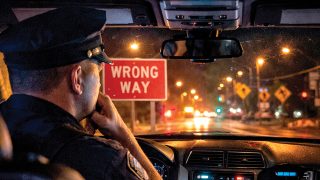
iStock.com/nycshooter

The National Transportation Safety Board (NTSB) recommended in a recent report that new vehicles made in the U.S. be equipped with blood alcohol monitors to prevent intoxicated driving and alcohol-related traffic fatalities.

The recommendation was given to the National Highway Traffic Safety Administration (NHTSA) in an effort to prevent alcohol-related car accidents, a major cause of deaths over the past several years.

The report comes after the NHTSA found that roadway deaths in the U.S. reached their highest level in 16 years, with 43,000 fatalities this year.

2020 data from the administration found that 30% of the total fatal accidents that year were alcohol-related.

The NTSB, which has no regulatory authority itself, is urging the administration to find a solution to the carnage.

“We need NHTSA to act. We see the numbers,” NTSB Chairman Jennifer Homendy said, according to the Associated Press. “We need to make sure that we’re doing all we can to save lives.”

Experts believe that returning to the roads after pandemic lockdowns may have contributed to the rise in car accidents.

Included in the NTSB report was the tragic crash in Fresno last year that killed both adult drivers and seven children after a drunk driver crashed head-on into another vehicle.

Homendy said the board has been encouraging the NHTSA to adopt alcohol monitoring technology since 2012, but the timeline has been sped up more recently following President Biden’s traffic safety agenda.

“The faster the technology is implemented the more lives that will be saved,” she claimed.

The board also recommended adopting systems that monitor a driver’s behavior and make sure they are alert at the wheel.

An example of this technology has been developed by Nissan, and uses a camera built into the instrument cluster that “looks for facial cues signifying the driver is inebriated” and for “driving patterns that suggest an impaired driver.”

Notably, Congress threw its weight behind blood-alcohol monitoring technologies last year.

Biden’s 2021 infrastructure bill, which preceded NTSB’s recent report, requires automakers to install “passive-monitoring” technology within the next three years.

However, it also allows the NHTSA to apply for an extension if needed.

“To ensure the prevention of alcohol-impaired driving fatalities, advanced drunk and impaired driving prevention technology must be standard equipment in all new passenger motor vehicles,” the bill reads.

Privacy advocates raised concerns about mandating such technology in vehicles, noting the invasiveness of in-car surveillance and the value such biometric information could offer to law enforcement agencies.

Julian Sanchez, Senior Fellow at the Cato Institute, argued against government mandates for automobile manufacturers to adopt technology that has not yet been fully developed and evaluated.

“That makes it seem wildly premature to empower an executive branch official to mandate what is, essentially, surveillance technology in all automobiles when the precise form of the technology remains uncertain, and it’s impossible to concretely debate the merits of specific systems,” Sanchez wrote.

“We also know that it’s going to take time for NHTSA to evaluate what technologies are available and how to develop a standard,” Homendy admitted.

Since 2008, the NHTSA, along with 16 automakers and a Swedish research company, formed the Driver Alcohol Detection System for Safety to fund R&D for alcohol monitoring systems.

Jake McCook, spokesman for the group, said technologies such as breath detectors and light sensors that can detect alcohol level in a person’s finger may be ready by 2024.

After the technology is ready, McCook noted it will still take several years to manufacture the vehicles and see them in use on the roads.

Supporters of the technology believe it will not only save lives, but will also save billions of dollars in hospital treatment costs. More drunk-driving prevention could also potentially help law enforcement agencies by reducing the traffic enforcement workload, freeing up funds to combat other types of crime as well as making the roads safer for officers and the communities they serve.


Categories: Tech Tags: surveillance, privacy, drunk driving, car accident, infrastructure bill, NTSB, Biden, blood alcohol monitors, traffic fatality, vehicle technology

Primary Sidebar

Recent Articles

  • New Mexico license plate readers save lives, lead to “precise policing”
  • Addressing stress, vicarious trauma and burnout
  • Understanding the boundaries of professional relationships with the boss
  • E-bikes spark public safety concerns
  • Improving autism awareness
  • Cut the cops, save a dollar?
  • Villains and heroes in the Big Apple
  • NLEOMF announces February 2026 Officers of the Month
  • Fallen law enforcement officers from across the country to be honored during 38th Annual Candlelight Vigil on May 13 in Washington, D.C.
  • Nervous system regulation

Footer

Our Mission
To serve as a trusted voice of the nation’s law enforcement community, providing informative, entertaining and inspiring content on interesting and engaging topics affecting peace officers today.

Contact us: info@apbweb.com | (800) 234-0056.

  • Facebook
  • Instagram
  • Twitter

Categories

  • Editor’s Picks
  • On the Job
  • Labor
  • Tech
  • Training
  • Policy
  • Health/Wellness
  • Community
  • Offbeat
  • We Remember
  • Jobs and Careers
  • Events

Editor’s Picks

Liability challenges in contemporary policing

Liability challenges in contemporary policing

February 27, 2026

When performance reviews are a waste of time

When performance reviews are a waste of time

February 26, 2026

Proactive wellness visits

Proactive wellness visits

February 25, 2026

Taking a page from Toyota’s playbook

Taking a page from Toyota’s playbook

February 23, 2026

Policies | Consent Preferences | Copyright © 2026 APB Media, LLC | Website design, development and maintenance by 911MEDIA

Open

Subscribe

Close

Receive the latest news and updates from American Police Beat directly to your inbox!

  • This field is for validation purposes and should be left unchanged.