• Skip to primary navigation
  • Skip to main content
  • Skip to primary sidebar
  • Skip to footer
  • Home
  • About
  • The Magazine
  • Events
  • Partners
  • Products
  • Contact
  • Jobs and Careers
  • Advertise
  • Facebook
  • Instagram
  • Twitter
  • Subscribe
American Police Beat

American Police Beat Magazine

Law Enforcement Publication

  • Home
  • Leadership
    • Understanding the boundaries of professional relationships with the...
      Why you should lead from 30,000 feet
      Public perception and trust
      When performance reviews are a waste of time
      Taking a page from Toyota’s playbook
  • Topics
    • Leadership
      • Understanding the boundaries of professional relationships with the...
        Why you should lead from 30,000 feet
        Public perception and trust
        When performance reviews are a waste of time
        Taking a page from Toyota’s playbook
    • Editor’s Picks
      • Liability challenges in contemporary policing
        When performance reviews are a waste of time
        Proactive wellness visits
        Taking a page from Toyota’s playbook
        Law enforcement’s missing weapon
    • On the Job
      • Villains and heroes in the Big Apple
        Right place, right time — again
        Some good news on crime
        Mom-to-be named Cop of the Year
        Fatherly instincts save boy from icy water
    • Labor
      • Cut the cops, save a dollar?
        Labor release under fire
        Who’s watching the watchmen?
        Crime and punishment (or lack thereof) in Seattle
        Labor leadership out in the field
    • Tech
      • New Mexico license plate readers save lives, lead to “precise...
        A modern field guide to understanding research in policing
        Gear that moves with you
        A new breed of cop car
        The future of patrol is here
    • Training
      • Navigating danger
        Critical thinking in police training
        Threshold neuroscience
        Integrated virtual reality training
        Hit the pause button
    • Policy
      • E-bikes spark public safety concerns
        Try racing without wheels
        Law enforcement accreditation: Why it matters
        Liability challenges in contemporary policing
        The war on drugs is evolving
    • Health/Wellness
      • Addressing stress, vicarious trauma and burnout
        Nervous system regulation
        The nature of the job
        Promoting organizational wellness
        Telling cops to get more sleep isn’t working
    • Community
      • Improving autism awareness
        Shop with a Cop
        Community engagement: What is it moving forward?
        Contradictory crossroads
        Back-to-school season brings out police support nationwide
    • Offbeat
      • An unexpected burglar
        Police humor only a cop would understand
        Not eggzactly a perfect heist
        Pizza … with a side of alligator?
        Wisconsin man charged with impersonating Border Patrol agent twice in...
    • We Remember
      • Forty heroes: United Airlines Flight 93
        The Pentagon
        A nation propelled to war, lives changed forever
        A Christmas loss
        York County ambush leaves three officers dead, others critically...
    • HOT Mail
      • The War on Cops Continues Unabated
  • On the Job
    • Villains and heroes in the Big Apple
      Right place, right time — again
      Some good news on crime
      Mom-to-be named Cop of the Year
      Fatherly instincts save boy from icy water
  • Labor
    • Cut the cops, save a dollar?
      Labor release under fire
      Who’s watching the watchmen?
      Crime and punishment (or lack thereof) in Seattle
      Labor leadership out in the field
  • Tech
    • New Mexico license plate readers save lives, lead to “precise...
      A modern field guide to understanding research in policing
      Gear that moves with you
      A new breed of cop car
      The future of patrol is here
  • Training
    • Navigating danger
      Critical thinking in police training
      Threshold neuroscience
      Integrated virtual reality training
      Hit the pause button
  • Policy
    • E-bikes spark public safety concerns
      Try racing without wheels
      Law enforcement accreditation: Why it matters
      Liability challenges in contemporary policing
      The war on drugs is evolving
  • Health/Wellness
    • Addressing stress, vicarious trauma and burnout
      Nervous system regulation
      The nature of the job
      Promoting organizational wellness
      Telling cops to get more sleep isn’t working
  • Community
    • Improving autism awareness
      Shop with a Cop
      Community engagement: What is it moving forward?
      Contradictory crossroads
      Back-to-school season brings out police support nationwide
  • Offbeat
    • An unexpected burglar
      Police humor only a cop would understand
      Not eggzactly a perfect heist
      Pizza … with a side of alligator?
      Wisconsin man charged with impersonating Border Patrol agent twice in...
  • We Remember
    • Forty heroes: United Airlines Flight 93
      The Pentagon
      A nation propelled to war, lives changed forever
      A Christmas loss
      York County ambush leaves three officers dead, others critically...
  • HOT Mail
    • The War on Cops Continues Unabated
  • About
  • The Magazine
  • Events
  • Partners
  • Products
  • Contact
  • Jobs and Careers
  • Advertise
  • Subscribe
Search

Policy

Wisconsin Supreme Court justifies probable cause for searches based on marijuana odor

APB Team Published July 2, 2023 @ 3:00 pm PDT

iStock.com/bruev

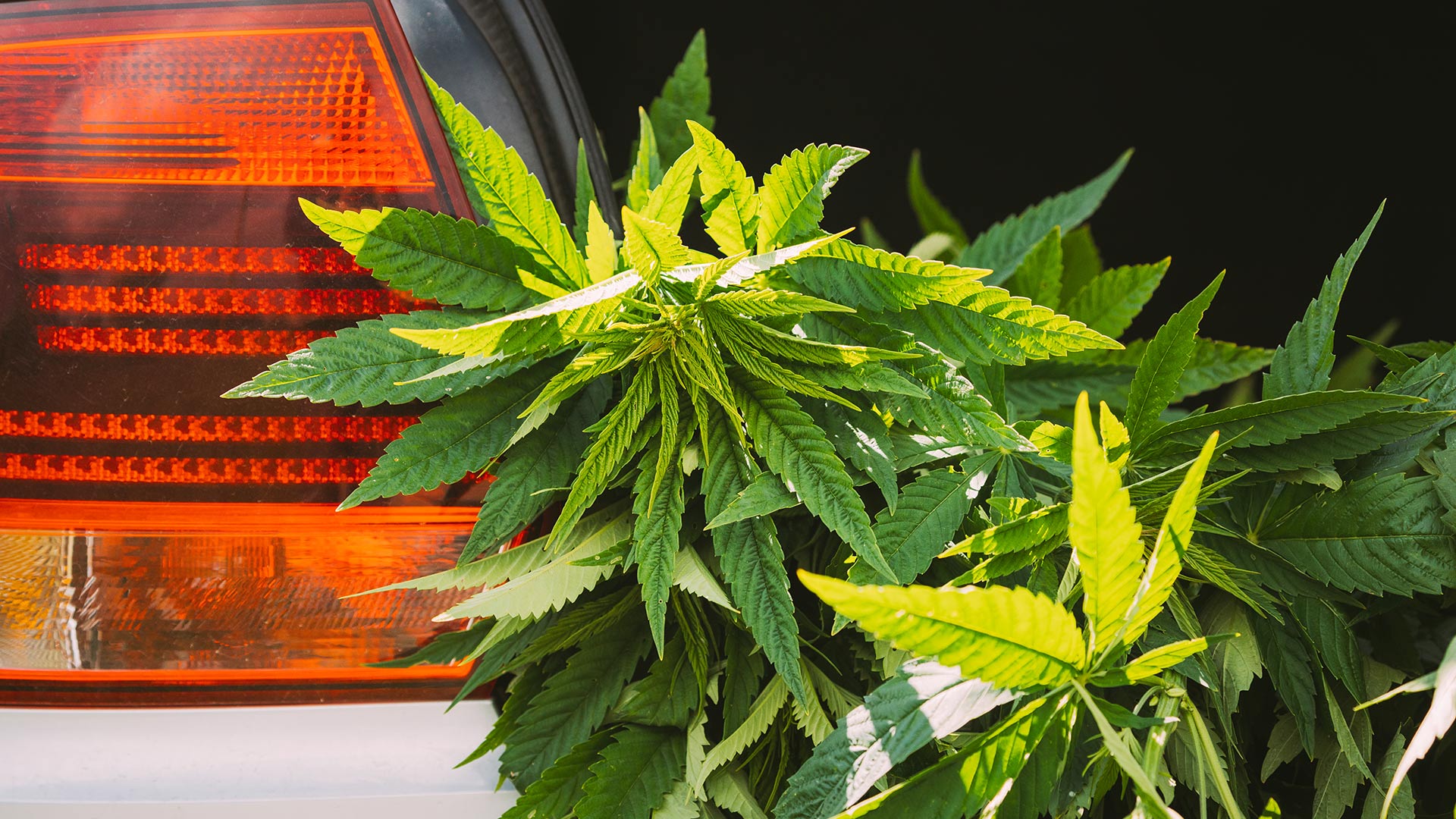
In a recent ruling, the Wisconsin Supreme Court has determined that the smell of marijuana alone is sufficient probable cause for police officers to conduct a search, even if substances legal in the state, such as CBD, emit the same odor.

The court’s conservative majority, in a 4–3 decision, overturned previous rulings and stated that Marshfield police had reasonable grounds to search the driver of a vehicle that emitted the scent of marijuana.

The ruling has raised concerns about the potential infringement on individuals’ rights and the reliability of scent-based searches.

The case in question involved Quaheem Moore, who was pulled over for speeding in Marshfield back in 2019. When the officers approached Moore’s vehicle, they detected a strong smell of burnt cannabis.

Although Moore mentioned possessing a CBD vaping device and explained that the car was rented by his brother, the officers proceeded to search both Moore and the vehicle. During the search, they discovered a hidden pocket in Moore’s pants containing packets of fentanyl and cocaine. Moore’s lawyers argued that the officers lacked probable cause for the search since they did not directly smell marijuana on Moore, and the scents of CBD and hemp are indistinguishable from marijuana.

Initially, a circuit court judge and an appeals court ruled that the evidence obtained from the search was inadmissible. However, prosecutors appealed these decisions, claiming that the lower courts had erred.

Ultimately, the Wisconsin Supreme Court sided with the prosecutors, overturning the previous rulings. Justice Brian Hagedorn, writing the majority opinion, stated that because Moore was the sole occupant of the vehicle, it was reasonable for the police to connect him to the “illegal substance” they had identified based on the odor.

The majority opinion rested on a 1999 Supreme Court decision, which held that the unmistakable smell of a controlled substance was sufficient evidence of a crime and justified arresting a driver.

However, the liberal minority on the Wisconsin Supreme Court challenged the relevance of the 1999 ruling to Moore’s case. They argued that the officers did not possess strong evidence that the marijuana odor emanated from Moore, and they emphasized the outdated nature of the ruling, failing to account for the subsequent legalization of hemp and CBD.

Justice Rebecca Frank Dallet was one of the dissenting judges.

“Officers who believe they smell marijuana coming from a vehicle may just as likely be smelling raw or smoked hemp, which is not criminal activity,” she argued.

The dissenting justices warned about the potential for unjustified searches and expressed concern that unreliable conclusions by law enforcement would go unchallenged in court.

Moore’s attorney, Joshua Hargrove, expressed his apprehension regarding the implications of the ruling.

“This opinion could subject more citizens engaged in lawful behavior to arrest,” he stated, raising concerns about the lack of accountability for law enforcement when searches are based on unreliable conclusions.

The ruling comes at a time when the legalization of marijuana remains a contentious issue in Wisconsin.

Democratic Governor Tony Evers has made multiple attempts to legalize recreational and medical marijuana, but his proposals have been rejected by the Republican-controlled Legislature.

However, GOP Assembly Speaker Robin Vos announced in April that he was working on legislation to legalize medical marijuana, potentially as early as this fall.

Wisconsin’s neighboring states, Michigan and Illinois, have already legalized marijuana, while Minnesota is set to do so in August.

On the east coast in Maryland, legislation was passed earlier this year that prohibited traffic stops and searches based on the smell of cannabis alone without any additional factors to warrant probable cause.


Categories: Policy Tags: search, traffic stop, Wisconsin, fentanyl, CPD, marijuana odor, Marshfield police, Quaheem Moore, Probable Cause, Supreme court

Primary Sidebar

Recent Articles

  • New Mexico license plate readers save lives, lead to “precise policing”
  • Addressing stress, vicarious trauma and burnout
  • Understanding the boundaries of professional relationships with the boss
  • E-bikes spark public safety concerns
  • Improving autism awareness
  • Cut the cops, save a dollar?
  • Villains and heroes in the Big Apple
  • NLEOMF announces February 2026 Officers of the Month
  • Fallen law enforcement officers from across the country to be honored during 38th Annual Candlelight Vigil on May 13 in Washington, D.C.
  • Nervous system regulation

Footer

Our Mission
To serve as a trusted voice of the nation’s law enforcement community, providing informative, entertaining and inspiring content on interesting and engaging topics affecting peace officers today.

Contact us: info@apbweb.com | (800) 234-0056.

  • Facebook
  • Instagram
  • Twitter

Categories

  • Editor’s Picks
  • On the Job
  • Labor
  • Tech
  • Training
  • Policy
  • Health/Wellness
  • Community
  • Offbeat
  • We Remember
  • Jobs and Careers
  • Events

Editor’s Picks

Liability challenges in contemporary policing

Liability challenges in contemporary policing

February 27, 2026

When performance reviews are a waste of time

When performance reviews are a waste of time

February 26, 2026

Proactive wellness visits

Proactive wellness visits

February 25, 2026

Taking a page from Toyota’s playbook

Taking a page from Toyota’s playbook

February 23, 2026

Policies | Consent Preferences | Copyright © 2026 APB Media, LLC | Website design, development and maintenance by 911MEDIA

Open

Subscribe

Close

Receive the latest news and updates from American Police Beat directly to your inbox!

  • This field is for validation purposes and should be left unchanged.