• Skip to primary navigation
  • Skip to main content
  • Skip to primary sidebar
  • Skip to footer
  • Home
  • About
  • The Magazine
  • Events
  • Partners
  • Products
  • Contact
  • Jobs and Careers
  • Advertise
  • Facebook
  • Instagram
  • Twitter
  • Subscribe
American Police Beat

American Police Beat Magazine

Law Enforcement Publication

  • Home
  • Leadership
    • Understanding the boundaries of professional relationships with the...
      Why you should lead from 30,000 feet
      Public perception and trust
      When performance reviews are a waste of time
      Taking a page from Toyota’s playbook
  • Topics
    • Leadership
      • Understanding the boundaries of professional relationships with the...
        Why you should lead from 30,000 feet
        Public perception and trust
        When performance reviews are a waste of time
        Taking a page from Toyota’s playbook
    • Editor’s Picks
      • Let’s get moving!
        Heroes of the World Trade Center
        The Promise Gap
        Corruption, collusion and impunity
        Liability challenges in contemporary policing
    • On the Job
      • Frankpledge to forensics: A brief history of law enforcement
        Villains and heroes in the Big Apple
        Right place, right time — again
        Some good news on crime
        Mom-to-be named Cop of the Year
    • Labor
      • The Promise Gap
        Cut the cops, save a dollar?
        Labor release under fire
        Who’s watching the watchmen?
        Crime and punishment (or lack thereof) in Seattle
    • Tech
      • New Mexico license plate readers save lives, lead to “precise...
        A modern field guide to understanding research in policing
        Gear that moves with you
        A new breed of cop car
        The future of patrol is here
    • Training
      • Pushback as a training signal
        Let’s get moving!
        The five minutes before the ambulance
        Navigating danger
        Critical thinking in police training
    • Policy
      • Corruption, collusion and impunity
        E-bikes spark public safety concerns
        Try racing without wheels
        Law enforcement accreditation: Why it matters
        Liability challenges in contemporary policing
    • Health/Wellness
      • Addressing stress, vicarious trauma and burnout
        Nervous system regulation
        The nature of the job
        Promoting organizational wellness
        Telling cops to get more sleep isn’t working
    • Community
      • Improving autism awareness
        Shop with a Cop
        Community engagement: What is it moving forward?
        Contradictory crossroads
        Back-to-school season brings out police support nationwide
    • Offbeat
      • An unexpected burglar
        Police humor only a cop would understand
        Not eggzactly a perfect heist
        Pizza … with a side of alligator?
        Wisconsin man charged with impersonating Border Patrol agent twice in...
    • We Remember
      • Heroes of the World Trade Center
        Forty heroes: United Airlines Flight 93
        The Pentagon
        A nation propelled to war, lives changed forever
        A Christmas loss
    • HOT Mail
      • The War on Cops Continues Unabated
  • On the Job
    • Frankpledge to forensics: A brief history of law enforcement
      Villains and heroes in the Big Apple
      Right place, right time — again
      Some good news on crime
      Mom-to-be named Cop of the Year
  • Labor
    • The Promise Gap
      Cut the cops, save a dollar?
      Labor release under fire
      Who’s watching the watchmen?
      Crime and punishment (or lack thereof) in Seattle
  • Tech
    • New Mexico license plate readers save lives, lead to “precise...
      A modern field guide to understanding research in policing
      Gear that moves with you
      A new breed of cop car
      The future of patrol is here
  • Training
    • Pushback as a training signal
      Let’s get moving!
      The five minutes before the ambulance
      Navigating danger
      Critical thinking in police training
  • Policy
    • Corruption, collusion and impunity
      E-bikes spark public safety concerns
      Try racing without wheels
      Law enforcement accreditation: Why it matters
      Liability challenges in contemporary policing
  • Health/Wellness
    • Addressing stress, vicarious trauma and burnout
      Nervous system regulation
      The nature of the job
      Promoting organizational wellness
      Telling cops to get more sleep isn’t working
  • Community
    • Improving autism awareness
      Shop with a Cop
      Community engagement: What is it moving forward?
      Contradictory crossroads
      Back-to-school season brings out police support nationwide
  • Offbeat
    • An unexpected burglar
      Police humor only a cop would understand
      Not eggzactly a perfect heist
      Pizza … with a side of alligator?
      Wisconsin man charged with impersonating Border Patrol agent twice in...
  • We Remember
    • Heroes of the World Trade Center
      Forty heroes: United Airlines Flight 93
      The Pentagon
      A nation propelled to war, lives changed forever
      A Christmas loss
  • HOT Mail
    • The War on Cops Continues Unabated
  • About
  • The Magazine
  • Events
  • Partners
  • Products
  • Contact
  • Jobs and Careers
  • Advertise
  • Subscribe
Search

Tech

NYPD unleashes drones in battle against subway surfing

Nabs four offenders

APB Team Published December 13, 2023 @ 3:00 pm PST

Dreamstime.com/Photovs

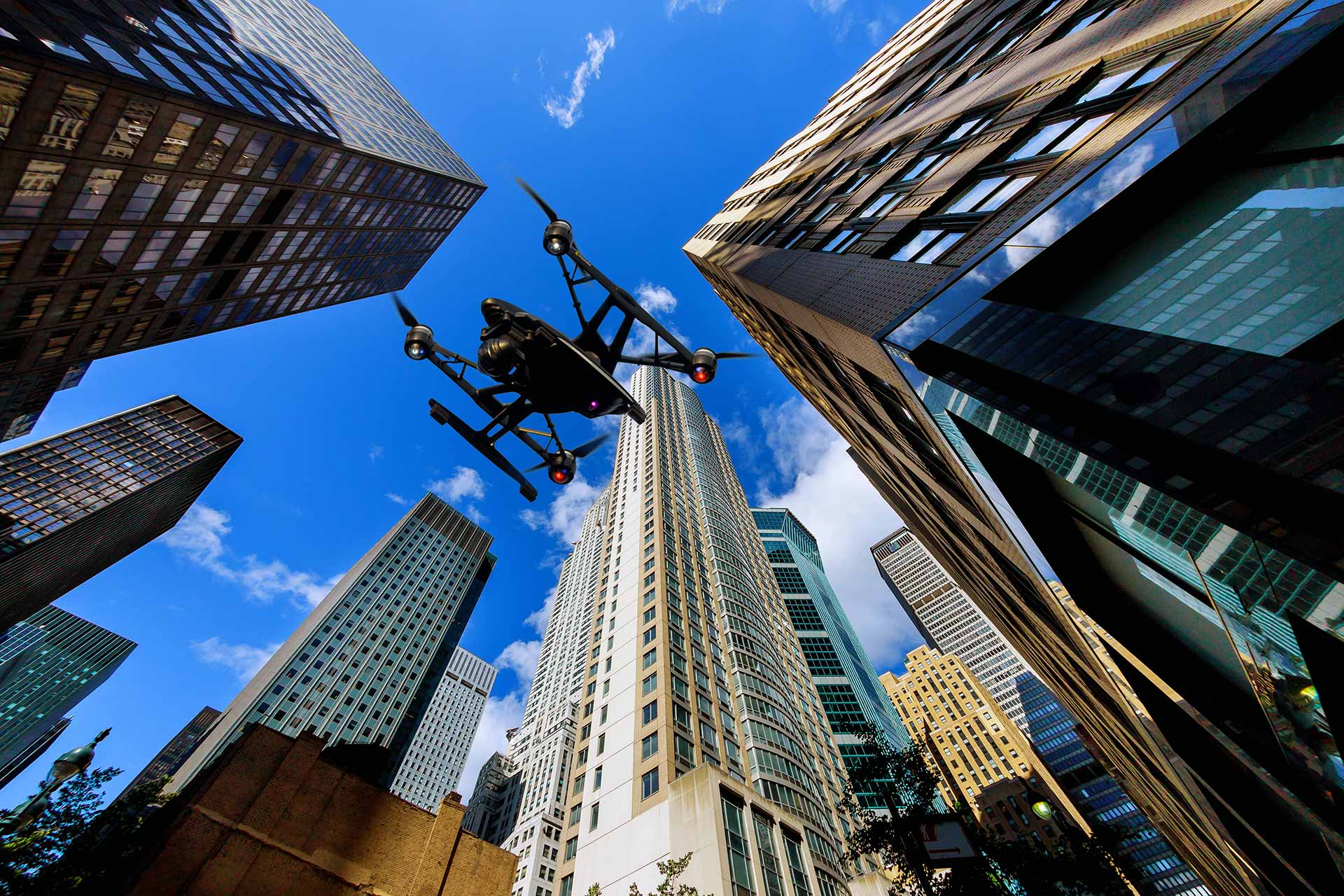
In a bid to combat the dangerous trend of “subway surfing,” the New York City Police Department (NYPD) has deployed drones as the latest technology to monitor elevated subway lines.

Since their deployment, the drones have assisted transit officers in the successful apprehension of four individuals engaged in the reckless act, including a 12-year-old.

The announcement was made by NYPD Transit Chief Michael Kemper during a presentation to the Metropolitan Transportation Authority (MTA) board.

“Over the last several weeks, the NYPD has been piloting a drone program that deploys drones near subway lines where we’ve seen very concerning and reckless acts of subway surfing,” Kemper disclosed.

The drone initiative aims to deter individuals from climbing on top of subway trains, a dangerous practice that has claimed several lives in recent years.

The youngest among the apprehended subway surfers, a 12-year-old, was stopped by police just a week ago.

Kemper discussed the potential lifesaving impact of their efforts: “With our team’s work, hopefully this 12-year-old will not subway-surf anymore and will live to see the age of 13.”

While specific details about the monitored subway lines and the number of drones employed were not provided, MTA officials had previously identified the No. 7, J, M and Z lines as hotspots for subway surfing incidents.

Subway surfing gained notoriety last year when 928 individuals were found riding outside subway cars. Tragically, the dangerous trend has led to the deaths of five teenagers this year alone. In response to the surge in incidents, the MTA initiated a public service campaign alongside an NYPD effort to engage with the families of teens caught surfing.

NYPD has made 114 juvenile arrests for subway surfing this year, a notable increase from the 50 arrests made in the previous year.

Kemper was satisfied with the impact of their efforts thus far, noting zero fatalities.

“I’m happy to report that we have started the school year with no surfing-related injuries or fatalities.”

The NYPD’s drone deployment is intended to deter young people from subway surfing by providing surveillance in known hotspots. The drones have already proven effective in aiding arrests, capturing footage that is later used to inform parents or guardians about their children’s involvement in such activities.

“How many times have you interviewed moms and dads who say, ‘My kid would never do something like that’? Guess what? The video doesn’t lie,” NYPD Assistant Commissioner Kaz Daughtry told WABC News.

In addition to parental notification, officers will inform the teen’s school about the incident.

Despite progress, the authorities remain vigilant, recognizing the potential dangers associated with this risky behavior.

“When they are trying to get down from subway surfing, the train conductor may step on the brakes a little too hard, and that’s when they lose their balance and can slip and get crushed by the train,” Daughtry warned.


Categories: Tech Tags: NYPD, trend, pilot program, subway crime, juveniles, dangerous, subway surfing, drones, transit officers, Michael Kemper

Primary Sidebar

Recent Articles

  • Frankpledge to forensics: A brief history of law enforcement
  • Pushback as a training signal
  • Let’s get moving!
  • Heroes of the World Trade Center
  • The Promise Gap
  • Corruption, collusion and impunity
  • The five minutes before the ambulance
  • New Mexico license plate readers save lives, lead to “precise policing”
  • Addressing stress, vicarious trauma and burnout
  • Understanding the boundaries of professional relationships with the boss

Footer

Our Mission
To serve as a trusted voice of the nation’s law enforcement community, providing informative, entertaining and inspiring content on interesting and engaging topics affecting peace officers today.

Contact us: info@apbweb.com | (800) 234-0056.

  • Facebook
  • Instagram
  • Twitter

Categories

  • Editor’s Picks
  • On the Job
  • Labor
  • Tech
  • Training
  • Policy
  • Health/Wellness
  • Community
  • Offbeat
  • We Remember
  • Jobs and Careers
  • Events

Editor’s Picks

Let’s get moving!

Let’s get moving!

April 27, 2026

Heroes of the World Trade Center

Heroes of the World Trade Center

April 24, 2026

The Promise Gap

The Promise Gap

April 22, 2026

Corruption, collusion and impunity

Corruption, collusion and impunity

April 21, 2026

Policies | Consent Preferences | Copyright © 2026 APB Media, LLC | Website design, development and maintenance by 911MEDIA

Open

Subscribe

Close

Receive the latest news and updates from American Police Beat directly to your inbox!

  • This field is for validation purposes and should be left unchanged.