Evidence, multimedia displays and more highlight law enforcement’s collaborative effort to end one of the nation’s largest manhunts

Barely a year after the September 11 attacks, citizens in Washington, D.C., and neighboring communities in Maryland and Virginia once again found themselves living under a shroud of fear from a deadly unknown. For 23 days in October 2002, unknown assailants stalked communities in the region, shooting and killing individuals randomly at truck stops, gas stations and even a middle school. Law enforcement professionals from five federal and 14 local and state agencies combined resources, manpower and intelligence to track down the D.C. snipers, turning their efforts into one of the largest manhunts conducted in the U.S.
By the end of those harrowing three weeks, 10 people had been killed and three more injured in D.C., Maryland and Virginia. What’s more, after John Muhammad and Lee Malvo were captured and arrested, ongoing investigations revealed the pair had committed additional crimes in other states, as well as Muhammad’s history of domestic violence and custody disputes, which apparently served as motives behind their terroristic activities.
Now, nearly 25 years later, the National Law Enforcement Museum in D.C. has curated numerous artifacts of this infamous case, multimedia displays and historical documentation for Without Warning: Ending the Terror of the D.C. Snipers, a new exhibit set to open on May 7, leading up to National Police Week (May 10–16), in the museum’s DuPont Gallery. It will remain open to visitors until December 2027.
APB spoke with Lauren Sydney, deputy museum director and director of exhibits and collections, for a preview of what visitors can expect and the broader impact the case has had on law enforcement over the past two-plus decades.
What was the impetus behind creating an exhibit of the D.C. snipers’ crimes?
We’ve had the original evidence from this case on loan to us from the Prince William County Police Department for many years, so we have wanted to tell this story for a very long time. This exhibit is designed to really highlight a small but powerful number of artifacts that allows visitors to get as close as possible to the center of the sniper case.
What are some of the artifacts on display?
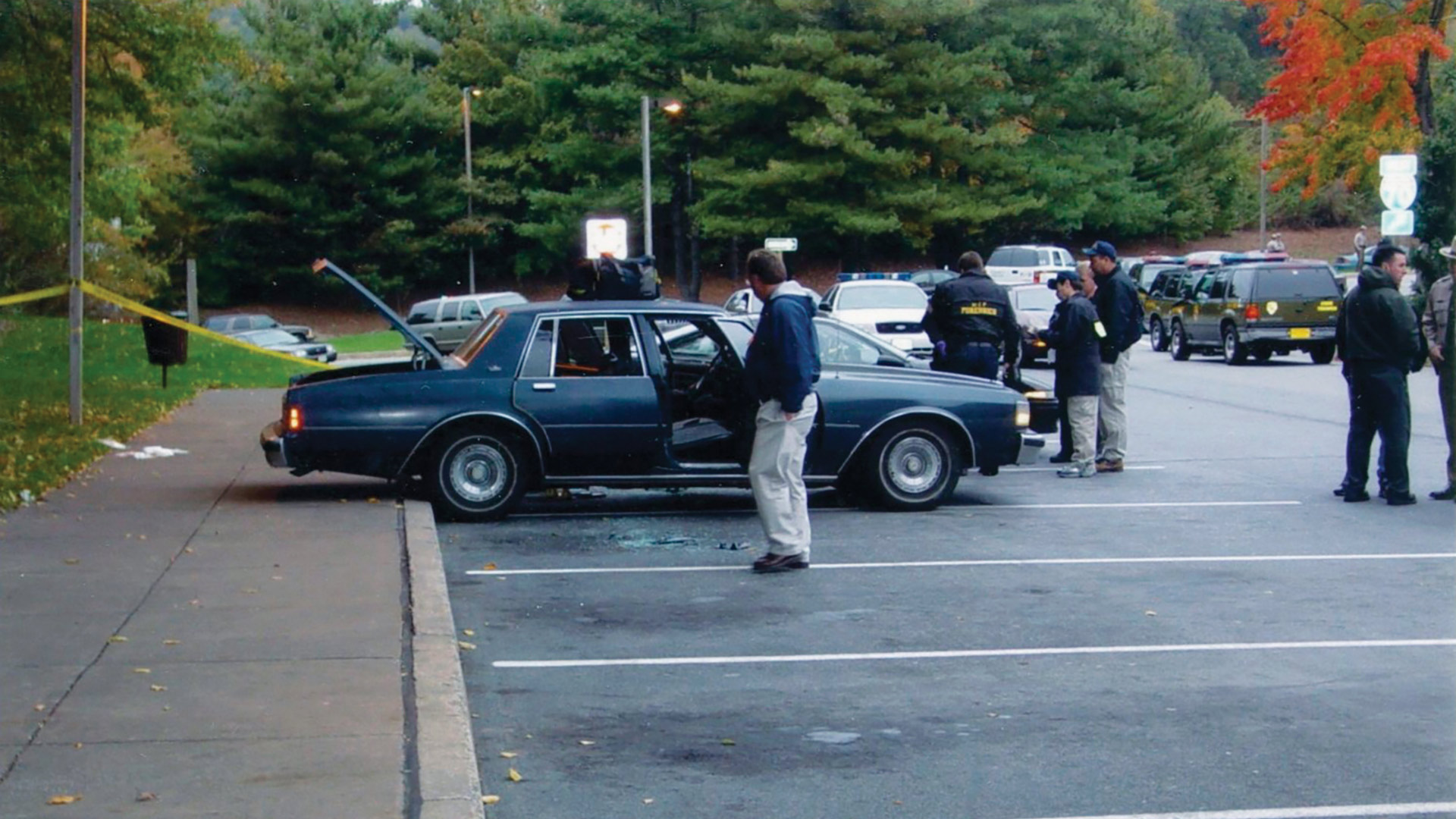
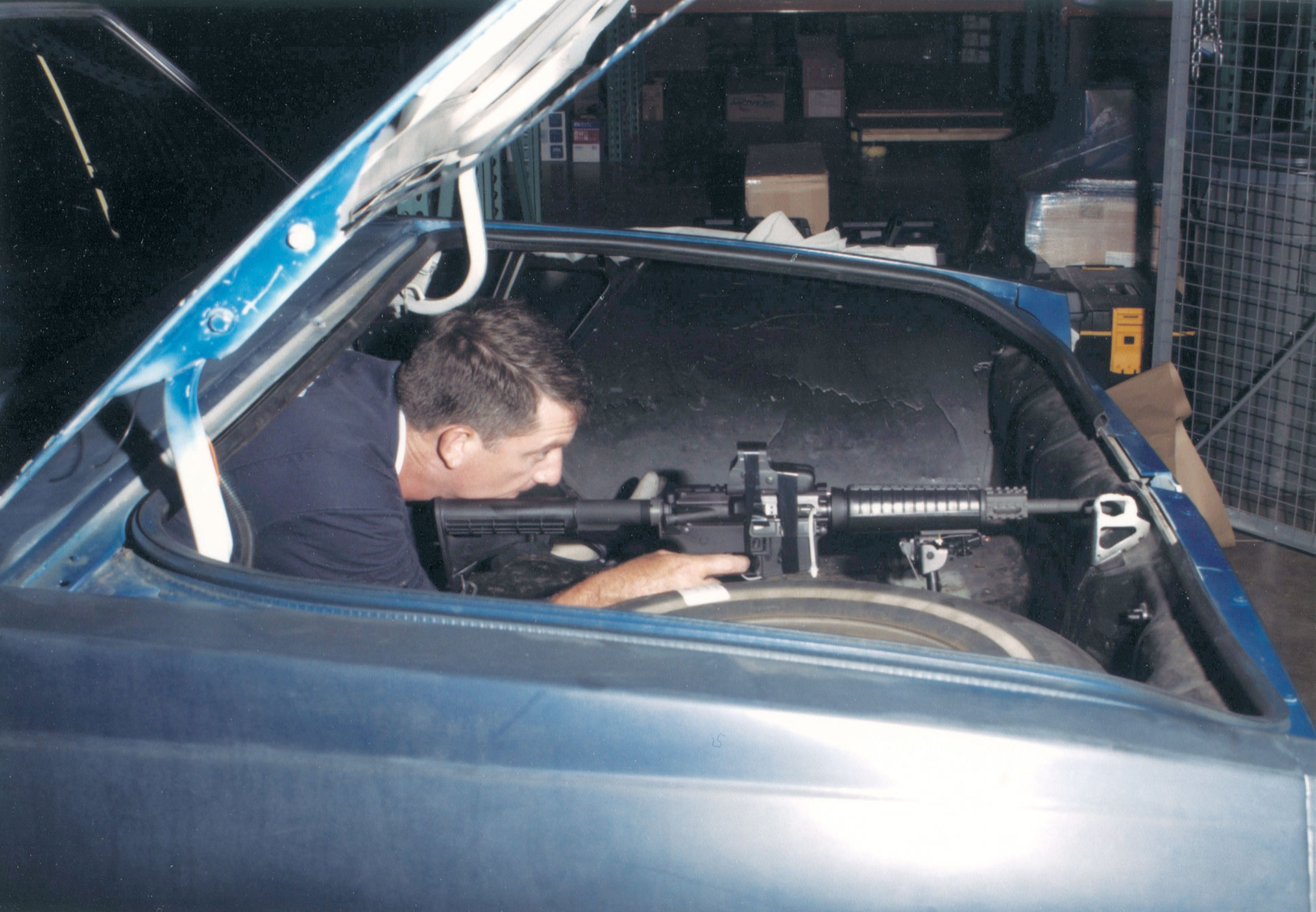
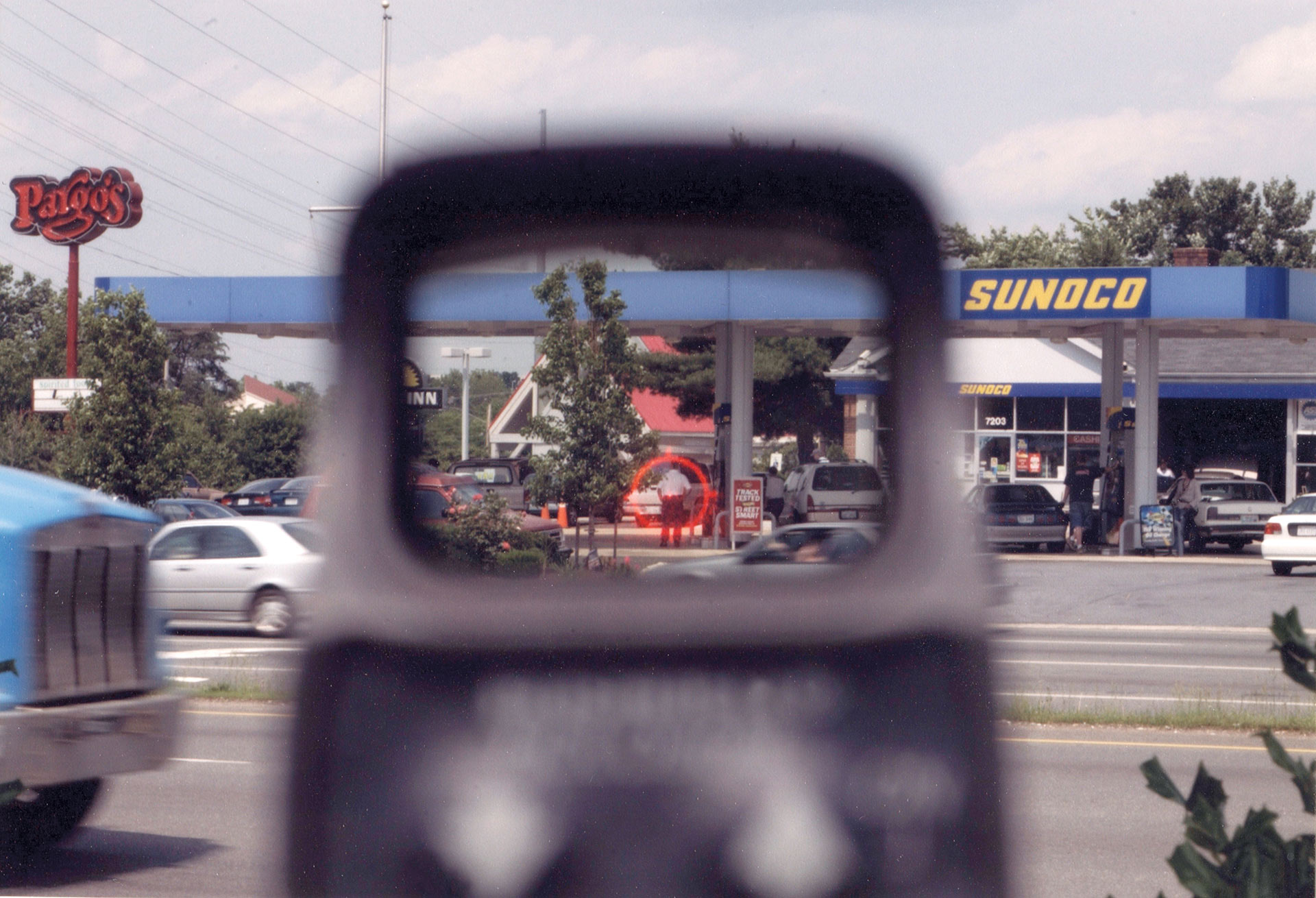
The modified Chevy Caprice will be the central artifact. The car has only ever been on display once before and never in the D.C. area, so this is just a really great opportunity to see such an important piece of local and national history. But we are also displaying the Bushmaster rifle, which was used in all of the D.C.-area attacks. We’re displaying some of the notes the snipers left behind at crime scenes, and we’ll be playing some of the real 9-1-1 calls and police radio recordings in the gallery to really immerse visitors in the tension of the case. Also, we have a large map featured on one of the walls with all of the victims — their names and photos, and the time of the shooting — we want to make sure the human toll of the exhibit is on display.
One of the things we gleaned from speaking to law enforcement officers working the case is that everyone in the region was a potential victim, and that was one of the things hanging over their heads the entire time they were working this case. For example, there’s one officer who told a particularly poignant story about driving past a pumpkin field on the way to the headquarters for the case investigation team. It was October, and the field was completely filled with pumpkins because no one wanted to be out picking where people could potentially see them on the side of the road.
Did you incur any challenges while curating the exhibit?
One of the biggest challenges of putting this exhibit together was not to simply retell the same story that has been told many times before. There have been a lot of documentaries, podcasts, articles, and we even put on an online exhibit for the 20th anniversary of the case. So we really wanted to make sure we weren’t just rehashing stuff that someone could find if they just turned on their favorite streaming service. For us, that came down to giving voice to the law enforcement perspective and really [using] that as a touchstone, so visitors are getting a different experience.
Because of our focus as a law enforcement museum, we really wanted to talk to the law enforcement officers who worked on this case, who were in the trenches in October 2002, the ones who were responding to crime scenes and who were coordinating the immense collaborative effort that this case required.
Has the museum planned any additional educational programs to coincide with the exhibit?
We’ve already conducted a program back in October that was about domestic violence and the relationship between domestic violence and mass-casualty attacks. Also, we want to talk about the collective trauma of a case, which affects a huge number of agencies. We are also interested in discussing the role of the media in this case, because that was a very important aspect of how it unfolded, [as well as] how the relationship between law enforcement and the media has evolved in the meantime. We also will discuss the technology used in the case and how much it has changed since 2002, such as facial recognition, drones or license plate readers, all of which would have made a very big impact on this case.
“This exhibit is a way to remind the visiting survivors and law enforcement officers … of the incredible effort and courage it took to solve this case.”
What was it like for you personally to build this exhibit?
I grew up in this area, so I remember this case. For me, the most powerful objects are the handwritten notes left by the snipers at a couple of different crime scenes. [They] created them so they could speak directly
to the police; they were sort of a warning, but also taunting police about what else they might do. Also, law enforcement was very focused on trying to help people feel safe, and I think the community and law enforcement working together is definitely an important takeaway.
What are you hoping the exhibit will convey to law enforcement professionals and other visitors who come to see it?
We’re hoping our law enforcement visitors are able to take back with them the role of collaboration in this case. It became very clear, very quickly that everyone was going to need to be involved. We want visitors to understand just how tense, how difficult and how harrowing it was to be doing police work while all around you there were more and more victims and the snipers were sending in notes and phone calls. It took a Herculean effort under very difficult circumstances. This exhibit is a way to remind the visiting survivors and law enforcement officers who will be in town [for National Police Week] of the incredible effort and courage it took to solve this case, and how incredibly fast law enforcement was able to end this case.
I also think it’s so important for people to take away the human face of it. When cases become this large and this complicated, it’s very easy to rattle off a list of victims. I think it’s so important for visitors to take away that these were real, ordinary people, just like them, who were the random victims of the snipers.
For more information about the exhibit and to plan your visit to the museum, visit NLEOMF.org/museum.
—www.NLEOMF.org—

National Law Enforcement Officers Memorial Fund
As seen in the May 2026 issue of American Police Beat magazine.
Don’t miss out on another issue today! Click below: