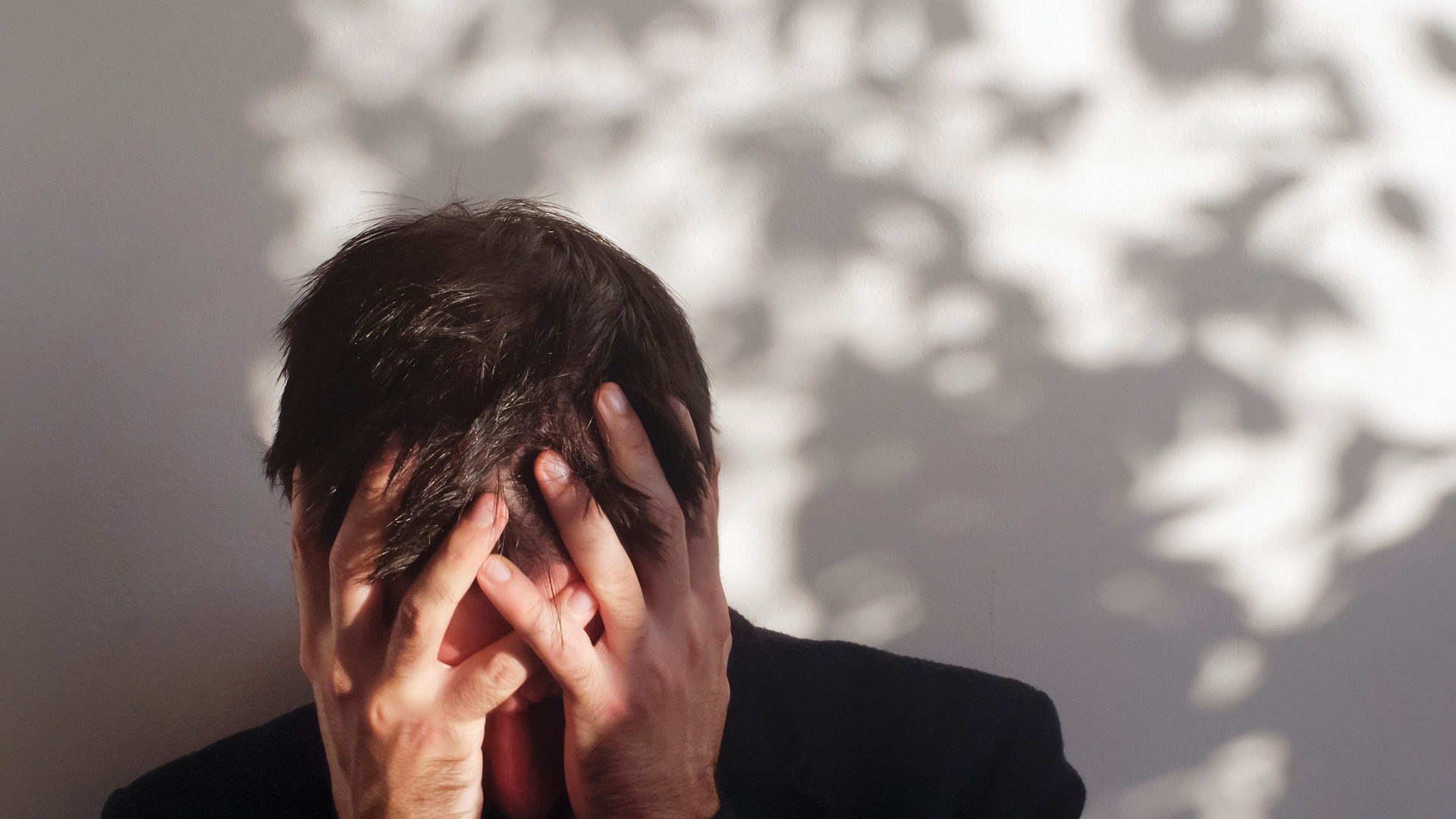
There are 55,054 assaults on law enforcement each year, resulting in 16,260 injuries and 234 officer deaths. Officers can feel that pain and suffer physically, psychologically and/or spiritually.
This article highlights psychological and religious perspectives on the meaning of pain and, specifically, how each of these perspectives would diagnose and treat the problem of pain. In turn, law enforcement readers have an opportunity to examine how they view pain and the higher meanings they ascribe to their pain.
Psychological perspectives
Counseling and psychology theories are often grouped into five key approaches. Consider how the “five forces” diagnose and treat the problem of pain.
Psychoanalysis. Pain (in body or mind) is diagnosed as psychic pain or trauma. Psychological pain (due to feeling powerless, losing an important person in life or experiencing work trauma) can also transform into chronic physical pain.
The focus of treatment is on the officer’s subjective experience of the pain (e.g., the internal experience of being shot or spraining one’s ankle). The experience of pain can include its intensity and chronicity or what is mentally necessary to manage the pain. The goal of treatment would be to help officers identify self-limiting patterns, heal from past experiences and gain insight into how their unconscious minds influence their behaviors.
Cognitive-behavioral. Pain is diagnosed as negative mood states due to negative beliefs (thoughts) and behaviors. An officer’s coping abilities may be exceeded.
The focus of treatment is the identification, evaluation and replacement of maladaptive (i.e., inaccurate or unhelpful) patterns of thinking or behavior with more positive, accurate thoughts and helpful behaviors (e.g., positive coping strategies). Radical acceptance can be used to keep pain from turning into suffering.
Humanistic-existential. Pain is diagnosed as a complex process that occurs independently of tissue damage. It is a multidimensional, unique individual expression because the whole person is greater than the sum of his/her parts. Physical, psychological and social factors are considered.
The focus of treatment is on the importance of each officer’s choices and decision-making during painful times. Meaning and purpose are examined and cultivated.
Multicultural. Culture affects the perception of pain and whether it is a problem that requires a clinical solution. Pain is diagnosed through the explanatory model (i.e., the individual officer’s narrative of the events and consequences related to the injury or illness).
The focus of treatment is utilizing the officer’s cultural beliefs and values to determine how best to manage the pain. This approach tends to improve outcomes for underrepresented and immigrant individuals experiencing chronic pain.
Social justice. Pain is evaluated in terms of perceived fairness. Was it an undeserved fate? The focus is on perceived injustices (e.g., false allegations against the officer and a bystander throwing a bottle that caused an officer concussion).
The focus of treatment is officer empowerment via psychoeducation (e.g., the benefits of positive thinking and self-talk), identifying strengths and learning new skills (e.g., effective communication). Treatment is improved while redressing injustices perpetrated against the officer.
Religious perspectives
Religion can be considered a search for significance in ways related to the sacred. Consider how the major western religions diagnose and treat the problem of pain, and you will see common themes of one’s faith being tested, the importance of turning to God, and the benefits of doing good works for others.
Christianity. Pain is diagnosed as the consequence of sin but sometimes due to just living in a broken world. It rains on the just and unjust alike, and this is beyond human understanding.
Suffering can be a tool for sanctification (aka redemptive suffering). This means that suffering can be made purposeful for the sake of your soul’s development as well as for the salvation of others (aka good works or works of mercy).
Suffering can also be a test of faith. When responding to 9/11, to the ambush on Main Street in Dallas, to any one of the storms you must face, to what do you cling for inner strength?
Judaism. Pain is diagnosed as a warning sign, both physical and spiritual. It requires corrective action in both realms. Spiritually, it is a message from God, a warning sign to rectify behavior. Pain expands our capacity to experience life, to shed debris from around our souls and open the heart to what is really important. It can also be a test of faith.
The prescription for pain is to cleanse the body and soul of the causes of the pain by returning to an earlier state of innocence and purity. Perform Mitzvot (aka good deeds), and acknowledge God is the one in control of the universe.
Islam. Pain is diagnosed as predestination, and it is from above. Iman (faith) is based on the belief that all good and bad are from Allah. Loss represents a test from the divine.
The prescription for pain is to put trust in God and exercise patience. View tragedy as a means of forgiveness for personal shortcomings to help wipe out sins. Adopt a communal approach when dealing with stress. For example, visit the sick, comfort a bereaved person and pray for others (aka good works).
Experiencing pain now?
Examine current symptoms. Name the symptoms that you are experiencing now that concern you the most. When do they begin? How often do they occur? When do the symptoms get better? How did they originate? Does it change after it starts? What triggers them, aggravates them, lessens them? What meds have you tried, and with what outcomes? Are you ever symptom-free? What limitations do you have? What has been overlooked by previous professionals? What treatments have been tried, and with what results? What stressors do you currently have? Come prepared for your next doctor’s appointment by asking yourself these questions ahead of time.
Rate severity and get help accordingly. Rate the severity of your symptoms right now on a scale of 0–10. 0 = no pain. 10 = pain so severe that you need to go to the emergency room or be hospitalized. It does not matter if the pain is physical, psychological or spiritual.
- 0–2: You can manage your pain sufficiently to carry out normal daily activities. You do not need professional support.
- 3–7: You should consult with a licensed professional this week (or sooner) to bring your rating down to a manageable level before your pain rises to the level of crisis.
- 8–10: You are in crisis. Take your pain seriously. Stop what you are doing, and get yourself to urgent care or the ER. Call 9-1-1 if necessary.
Get a second opinion. It is good practice to obtain a second opinion if you disagree with (or are otherwise uncomfortable with) your current treating doctor or team or treatment plan; if you have a condition with which another doctor may have more expertise; if you are confused about your diagnosis and treatment options; if your current treatment protocol is not working; or if your doctor does not know what is wrong or believes there are no options. You should always get a second opinion if surgery is recommended.
See a pain management specialist. Request referral to an MD pain management specialist when you are struggling to carry out daily duties, when pain radiates throughout a limb or part of your body, when experiencing numbness or tingling sensations, when having trouble sleeping, when OTC meds are not doing the job, when pain persists with a specific motion, or when you are unable to engage in your hobbies or leisure pursuits to the point where your quality of life is impaired.
Consult a police psychologist. Police psychologists can conduct a pain evaluation and educate officers about chronic pain. Ask for a cognitive-behavioral approach so they can help you manage the pain by teaching diaphragmatic breathing, progressive muscle relaxation, visual imagery, automatic thoughts, cognitive restructuring, stress management, time-based pacing, pleasant activity scheduling, anger management, sleep hygiene, relapse prevention and flare-up planning.
Consult a police dietitian. There are dietary patterns and interventions to alleviate chronic pain (e.g., intermittent fasting, time-restricted feeding, caloric restriction and specific diets for certain conditions, and vitamin and mineral supplements for certain chronic diseases). Dietitians can identify nutritional strategies for improved mood, energy, mind-body connection, brain power, sleep and more.
Consult a police chaplain. Police chaplains provide emotional, moral and spiritual support to sworn and civilian personnel. You may want to speak with one who is also trained in peer support. They provide a ministry of presence that allows officers to feel heard, understood and not judged. They can also help officers identify meaning and purpose.
Know someone in pain now?
Be the good Samaritan. Call regularly to check in. Get together for coffee. Tell them you care. Conduct your own wellness checks if needed. Refer them (and transport them) to professional help. Leave no man (or woman) behind.

Dr. Stephanie Barone McKenny
As seen in the August 2023 issue of American Police Beat magazine.
Don’t miss out on another issue today! Click below: