• Skip to primary navigation
  • Skip to main content
  • Skip to primary sidebar
  • Skip to footer
  • Home
  • About
  • The Magazine
  • Events
  • Partners
  • Products
  • Contact
  • Jobs and Careers
  • Advertise
  • Facebook
  • Instagram
  • Twitter
  • Subscribe
American Police Beat

American Police Beat Magazine

Law Enforcement Publication

  • Home
  • Leadership
    • Perpetual recognition of line-of-duty deaths
      Understanding the boundaries of professional relationships with the...
      Why you should lead from 30,000 feet
      Public perception and trust
      When performance reviews are a waste of time
  • Topics
    • Leadership
      • Perpetual recognition of line-of-duty deaths
        Understanding the boundaries of professional relationships with the...
        Why you should lead from 30,000 feet
        Public perception and trust
        When performance reviews are a waste of time
    • Editor’s Picks
      • Let’s get moving!
        Heroes of the World Trade Center
        The Promise Gap
        Corruption, collusion and impunity
        Liability challenges in contemporary policing
    • On the Job
      • Testing the waters — literally
        Frankpledge to forensics: A brief history of law enforcement
        Villains and heroes in the Big Apple
        Right place, right time — again
        Some good news on crime
    • Labor
      • The Promise Gap
        Cut the cops, save a dollar?
        Labor release under fire
        Who’s watching the watchmen?
        Crime and punishment (or lack thereof) in Seattle
    • Tech
      • New Mexico license plate readers save lives, lead to “precise...
        A modern field guide to understanding research in policing
        Gear that moves with you
        A new breed of cop car
        The future of patrol is here
    • Training
      • Pushback as a training signal
        Let’s get moving!
        The five minutes before the ambulance
        Navigating danger
        Critical thinking in police training
    • Policy
      • Police pause license plate readers
        Corruption, collusion and impunity
        E-bikes spark public safety concerns
        Try racing without wheels
        Law enforcement accreditation: Why it matters
    • Health/Wellness
      • Addressing stress, vicarious trauma and burnout
        Nervous system regulation
        The nature of the job
        Promoting organizational wellness
        Telling cops to get more sleep isn’t working
    • Community
      • Improving autism awareness
        Shop with a Cop
        Community engagement: What is it moving forward?
        Contradictory crossroads
        Back-to-school season brings out police support nationwide
    • Offbeat
      • An unexpected burglar
        Police humor only a cop would understand
        Not eggzactly a perfect heist
        Pizza … with a side of alligator?
        Wisconsin man charged with impersonating Border Patrol agent twice in...
    • We Remember
      • A Tribute to Fallen Heroes
        Markers of service and remembrance
        Tragedy strikes Baker to Vegas
        Heroes of the World Trade Center
        Forty heroes: United Airlines Flight 93
    • HOT Mail
      • The War on Cops Continues Unabated
  • On the Job
    • Testing the waters — literally
      Frankpledge to forensics: A brief history of law enforcement
      Villains and heroes in the Big Apple
      Right place, right time — again
      Some good news on crime
  • Labor
    • The Promise Gap
      Cut the cops, save a dollar?
      Labor release under fire
      Who’s watching the watchmen?
      Crime and punishment (or lack thereof) in Seattle
  • Tech
    • New Mexico license plate readers save lives, lead to “precise...
      A modern field guide to understanding research in policing
      Gear that moves with you
      A new breed of cop car
      The future of patrol is here
  • Training
    • Pushback as a training signal
      Let’s get moving!
      The five minutes before the ambulance
      Navigating danger
      Critical thinking in police training
  • Policy
    • Police pause license plate readers
      Corruption, collusion and impunity
      E-bikes spark public safety concerns
      Try racing without wheels
      Law enforcement accreditation: Why it matters
  • Health/Wellness
    • Addressing stress, vicarious trauma and burnout
      Nervous system regulation
      The nature of the job
      Promoting organizational wellness
      Telling cops to get more sleep isn’t working
  • Community
    • Improving autism awareness
      Shop with a Cop
      Community engagement: What is it moving forward?
      Contradictory crossroads
      Back-to-school season brings out police support nationwide
  • Offbeat
    • An unexpected burglar
      Police humor only a cop would understand
      Not eggzactly a perfect heist
      Pizza … with a side of alligator?
      Wisconsin man charged with impersonating Border Patrol agent twice in...
  • We Remember
    • A Tribute to Fallen Heroes
      Markers of service and remembrance
      Tragedy strikes Baker to Vegas
      Heroes of the World Trade Center
      Forty heroes: United Airlines Flight 93
  • HOT Mail
    • The War on Cops Continues Unabated
  • About
  • The Magazine
  • Events
  • Partners
  • Products
  • Contact
  • Jobs and Careers
  • Advertise
  • Subscribe
Search

Tech

Justice Department appoints first chief AI officer to navigate technological challenges

APB Team Published March 12, 2024 @ 6:00 am PDT

iStock.com/PhonlamaiPhoto

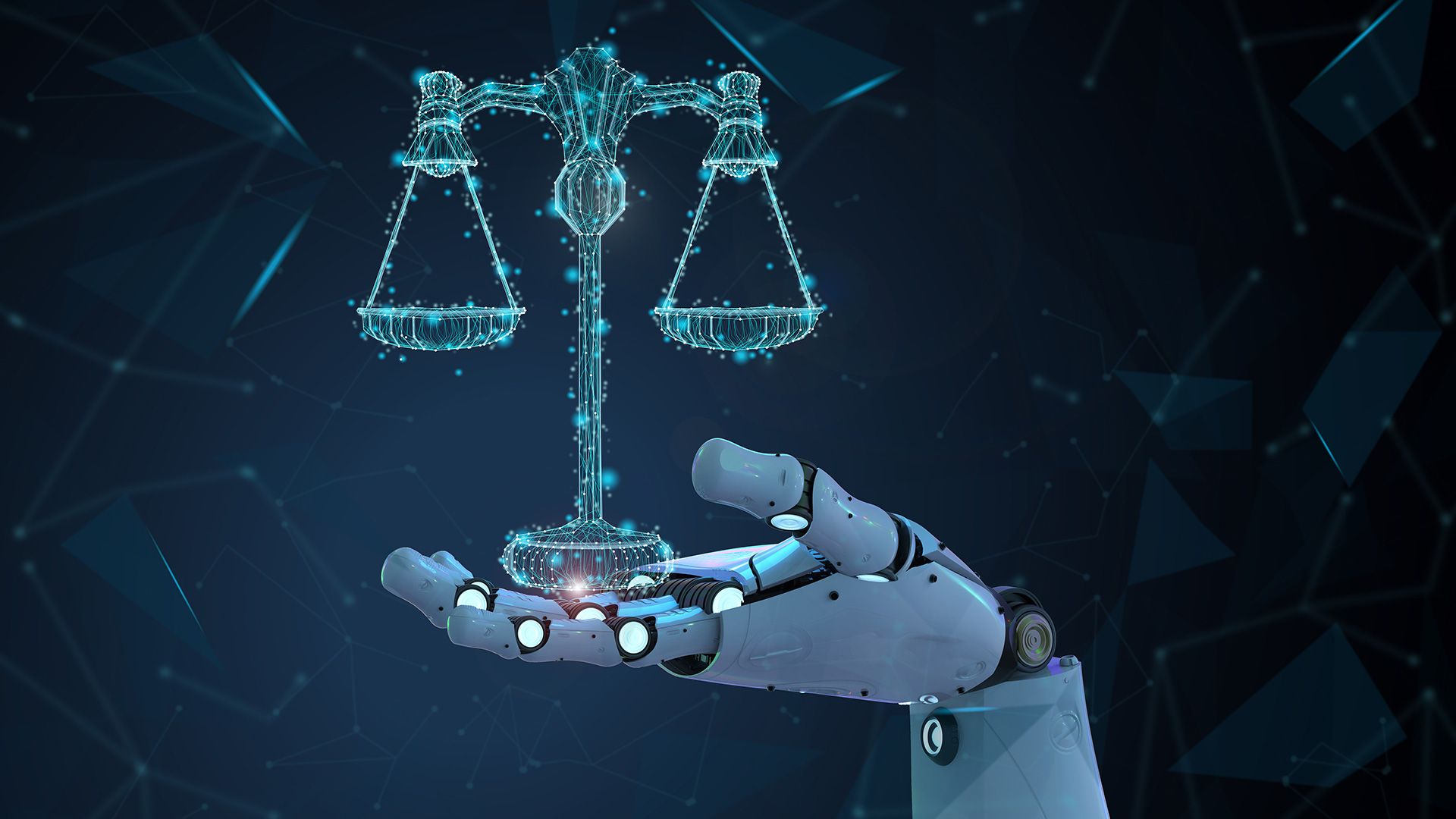
The Justice Department has announced the appointment of its first artificial intelligence (AI) officer in a bid to address potential problems brought about by the new technology.

Jonathan Mayer, a professor at Princeton University, will serve in the DOJ’s Office of Legal Policy as chief science and technology adviser and chief AI officer. His appointment is seen as a significant step for the department as it grapples with the implications of AI on federal law enforcement and the criminal justice system.

“The Justice Department must keep pace with rapidly evolving scientific and technological developments in order to fulfill our mission to uphold the rule of law, keep our country safe and protect civil rights,” Attorney General Merrick Garland said in a statement.

Mayer, whose expertise encompasses the intersection of technology and law, will play a pivotal role in advising Garland and DOJ leadership on integrating AI responsibly into investigations and criminal prosecutions.

With a background in national security, consumer privacy and criminal procedures, Mayer will take the helm in navigating the ethical and operational challenges posed by emerging technologies.

U.S. officials have been grappling with the dual nature of AI, acknowledging its potential benefits while also addressing concerns regarding its regulation and misuse.

Deputy Attorney General Lisa Monaco referred to the department’s utilization of AI in various capacities, including tracing the source of illegal drugs, analyzing FBI tips and organizing evidence related to the January 6, 2021, unrest at the U.S. Capitol.

Despite AI’s utility in enhancing national security efforts, Monaco noted that the department remains vigilant in mitigating biases, safeguarding elections and countering cyber threats.

“Every new technology is a double-edged sword, but AI may be the sharpest blade yet,” Monaco said at a recent speech at Oxford University.

As his first order of business, Mayer will spearhead a newly established board composed of law enforcement and civil rights officials. The board’s purpose is to advise departmental stakeholders on the ethical considerations and effectiveness of AI systems.

Additionally, Mayer will focus on recruiting technological experts to bolster the department’s capabilities in harnessing and regulating AI technologies.

“Jonathan’s expertise will be invaluable in ensuring that the entire Justice Department — including our law enforcement components, litigating components, grantmaking entities and U.S. Attorneys’ Offices — is prepared for both the challenges and opportunities that new technologies present,” Garland said.

Mayer, who has a law degree and Ph.D. in computer science from Stanford University, previously served as a technology adviser to Vice President Kamala Harris during her tenure as a U.S. senator and has experience working for the Federal Communications Commission.


Categories: Tech Tags: legal system, computer science, FBI, investigation, Merrick Garland, DOJ, technology, criminal justice system, artificial intelligence, AI officer, Jonathan Mayer

Primary Sidebar

Recent Articles

  • Perpetual recognition of line-of-duty deaths
  • A Tribute to Fallen Heroes
  • NLEOMF Fund announces March 2026 Officers of the Month
  • Markers of service and remembrance
  • Testing the waters — literally
  • Police pause license plate readers
  • Tragedy strikes Baker to Vegas
  • Frankpledge to forensics: A brief history of law enforcement
  • Pushback as a training signal
  • Let’s get moving!

Footer

Our Mission
To serve as a trusted voice of the nation’s law enforcement community, providing informative, entertaining and inspiring content on interesting and engaging topics affecting peace officers today.

Contact us: info@apbweb.com | (800) 234-0056.

  • Facebook
  • Instagram
  • Twitter

Categories

  • Editor’s Picks
  • On the Job
  • Labor
  • Tech
  • Training
  • Policy
  • Health/Wellness
  • Community
  • Offbeat
  • We Remember
  • Jobs and Careers
  • Events

Editor’s Picks

Let’s get moving!

Let’s get moving!

April 27, 2026

Heroes of the World Trade Center

Heroes of the World Trade Center

April 24, 2026

The Promise Gap

The Promise Gap

April 22, 2026

Corruption, collusion and impunity

Corruption, collusion and impunity

April 21, 2026

Policies | Consent Preferences | Copyright © 2026 APB Media, LLC | Website design, development and maintenance by 911MEDIA

Open

Subscribe

Close

Receive the latest news and updates from American Police Beat directly to your inbox!

  • This field is for validation purposes and should be left unchanged.