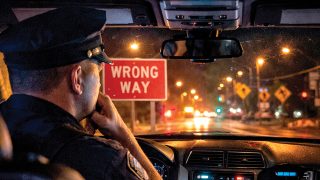
Police agencies today strive to recruit, hire and train only those who demonstrate strong moral values before they enter the academy. Yet, even departments’ best efforts will not prevent instances of police misconduct from garnering attention. Police corruption is not a new concept by any means. Police corruption is endemic. Over a half-century ago, Detective Frank Serpico of the New York Police Department tried to expose corruption and abuse and was ostracized for his efforts. The 1991 videotaped beating of Rodney King by LAPD officers and subsequent riots triggered by the acquittal of the officers involved rocked Los Angeles and the nation. The Rampart scandal was a major police corruption scandal in Los Angeles during the late 1990s and early 2000s. The George Floyd case in Minneapolis in 2020 ignited historic protests nationwide.
Ethics are critical to law enforcement because they help ensure the criminal justice system is fair and effective.
Such high-profile incidents undermine public trust, jeopardize important investigations and expose agencies to considerable liability. Many departments now respond to these events by adopting formal ethics policies and training on character development. Ethics are critical to law enforcement because they help ensure the criminal justice system is fair and effective. Law enforcement officers are held to a higher standard than other professionals and must uphold the public’s trust.
Ethical standards in law enforcement include serving the community and conducting themselves impartially. Law enforcement officers’ primary duty is to serve the community, protect lives and property, and respect the constitutional rights of all. Officers should treat all citizens equally and without favor or ill will. They should not allow personal feelings, prejudices or friendships to influence their conduct.
Misconduct includes any incidents deemed outside of the officer code of conduct — whether the officer is on or off duty, including obstructing justice, taking bribes, driving under the influence, domestic violence or other illegal acts. Officers should serve as role models by providing positive examples and demonstrating character, values and integrity.
Although the terms are sometimes used interchangeably, ethics refers to a system of guidelines for behavior that is developed by a community or culture. Values are the opinions a person consistently holds in high regard, while morals reflect an individual’s personal perceptions of things. Understanding ethical decision-making will help you analyze your options, choose the best one and explain to others why your decision is the most appropriate. Officers must ensure no one is deprived of any rights protected by the Constitution.
A philosopher once said: “When people of action cease to believe in cause, then they begin to believe only in the action.” It is easy for a police officer to lose focus on the “cause” of policing — service, justice and fundamental fairness — and begin to focus only on the powerful call of the “action” the job brings.
Values are the beliefs and ethical foundations that guide an organization and the behaviors of its employees. The most important beliefs are those that set forth the ultimate purpose of the department. They influence substantive and administrative decisions. They lend coherence and predictability to top management’s actions and the responses to the actions of our officers. Values help officers make proper decisions and use discretion with confidence that they are contributing to, rather than detracting from, organizational performance. These are all key components in developing police legitimacy.
General Norman Schwarzkopf once explained, “To lead in the 21st century, you will be required to have both competence and character.” Character does count. Character is what guides every officer in those countless moments of truth and choice. Police leaders and officers alike have the power of influence in their communities.
Character includes your personal maturity, integrity and principles. These define who and what you are. Public approval depends on the relationship of trust between the police and the community. Trust flows from trustworthiness, a combination of character (who you are) and competence (your ability to do your job). These are twin pillars that allow others to trust your intentions, direction and influence. Other renowned leaders have also commented on these concepts, such as Abraham Lincoln, who said, “Nearly all men can stand adversity, but if you want to test a man’s character, give him power,” and President Bill Clinton, who said, “People have always been more impressed with the power of our example than the example of our power.”

Defining the agency’s philosophy and values
The chief and senior leaders should set the tone for the department through personal example, philosophy and the leadership framework. They must be role models and demonstrate professional values. Excellent leaders protect professional ethics and communicate these to others by building a social climate. The chief and senior leaders set the stage for the achievement of objectives and are the standard bearers of professional and police traditions. They coach and instill the will to achieve and promote a sense of organization, pride, spirit and morale. They should concentrate on creating an organizational climate that encourages others to succeed by providing clear direction.
We need a new heroic ideal: the brave, truthful, nonviolent individual serving humanity, resisting injustice and exploitation, and leading by appealing to our ideals and spirit. Ethical leaders should try to do things better tomorrow than they were done today. Improvement leads to a higher standard of leadership. They should establish ethical policies. An ethical policy is a document outlining a department’s values, principles and expectations for employee behavior. This policy serves as a guide for decision-making, reflecting the company’s mission and goals and nurturing a culture of integrity.
What exactly are ethics in policing? These are the codes of conduct consisting of ethical mandates law enforcement officers use to perform their duties. These guidelines include acting impartially, exercising discretion, using only necessary force and always maintaining confidentiality, integrity and a professional image.
Programs and initiatives such as the Ethical Policing Is Courageous (EPIC) peer intervention program used by the New Orleans Police Department, the nationally recognized Blue Courage program developed by Michael Nila, early intervention programs, 360-degree performance evaluations and career development programs all can play a role in developing ethical-centered police departments.
A code of ethics sets forth values, ethical principles and standards by which professionals aspire and by which their actions can be judged. The International Association of Chiefs of Police (IACP) adopted the Law Enforcement Code of Ethics at the 64th Annual IACP Conference and Exposition in October 1957 and updated it in 2024 to reflect the responsibilities of contemporary policing. The Code of Ethics stands as a preface to the mission and commitment law enforcement agencies make to the public they serve.
Ethical policing can be courageous and highly effective in establishing trust, confidence and respect with the public.
Policing code of ethics
“As a sworn officer, my fundamental duty is to serve the community by safeguarding lives and property against threats that could take advantage of or harm members of my community or otherwise impact peace and order. I will uphold the Constitution and honor the rights of all to life, liberty, equality and justice. I will never employ unnecessary force. I will respect the privacy of people and communities that I serve, and I fully obey the laws I am sworn to enforce.
“I will live by example, remembering that my character and conduct, on duty and off, directly influence the legitimacy of the policing profession. I will exercise self-restraint and maintain courageous calm in the face of danger, scorn and ridicule and be constantly mindful of the welfare of others as well as my own well-being.
“I will never act officiously or permit bias or personal gain to influence my decisions. I will strive to protect the vulnerable from harm. If this fails, I will seek to identify and apprehend offenders, professionally and appropriately holding them to account. I will not solicit or accept any gifts, bribes or anything of value from any person or entity that may create a perception of benefit or influence my performance as a public servant.
“I recognize my shield of office as a symbol of public faith, and I accept it as a public trust to be held so long as I am true to the ethics of police service. I will not engage in or condone acts of corruption, take advantage of circumstances for personal gain or accept gratuities, and I promise to intervene when met with any unjustifiable acts by members of my profession. I will cooperate with all legally authorized agencies and their representatives in the pursuit of justice.
“I know that I alone am responsible for my own professional performance and conduct and will take every reasonable opportunity to enhance and improve my level of knowledge and competence. I will constantly strive to achieve these principles, dedicating myself to my chosen profession … policing.”
Everyone in policing holds a unique position in society that depends on the consent of the public. Our mission to help keep the public safe relies on us having public acceptance and cooperation. We must all strive to deliver an ethical and honorable police service deserving of the public’s support. We work with and for the public. We earn the public’s confidence when we listen to what they have to say, make decisions that are fair and unbiased, and are open and honest about our decisions. Securing public trust also means working within the limits of the law and being accountable for our actions. Ethical policing can be courageous and highly effective in establishing trust, confidence and respect with the public. We show courage by taking responsibility, setting an example, challenging unprofessional behavior, being honest, open and accountable, and encouraging feedback and scrutiny. That aspect of police legitimacy and transparency will go a long way in helping police departments improve their credibility in their community and provide a better level of safety and service to their citizens.

Mike Geier
As seen in the March 2025 issue of American Police Beat magazine.
Don’t miss out on another issue today! Click below: