• Skip to primary navigation
  • Skip to main content
  • Skip to primary sidebar
  • Skip to footer
  • Home
  • About
  • The Magazine
  • Events
  • Partners
  • Products
  • Contact
  • Jobs and Careers
  • Advertise
  • Facebook
  • Instagram
  • Twitter
  • Subscribe
American Police Beat

American Police Beat Magazine

Law Enforcement Publication

  • Home
  • Leadership
    • Understanding the boundaries of professional relationships with the...
      Why you should lead from 30,000 feet
      Public perception and trust
      When performance reviews are a waste of time
      Taking a page from Toyota’s playbook
  • Topics
    • Leadership
      • Understanding the boundaries of professional relationships with the...
        Why you should lead from 30,000 feet
        Public perception and trust
        When performance reviews are a waste of time
        Taking a page from Toyota’s playbook
    • Editor’s Picks
      • Let’s get moving!
        Heroes of the World Trade Center
        The Promise Gap
        Corruption, collusion and impunity
        Liability challenges in contemporary policing
    • On the Job
      • Frankpledge to forensics: A brief history of law enforcement
        Villains and heroes in the Big Apple
        Right place, right time — again
        Some good news on crime
        Mom-to-be named Cop of the Year
    • Labor
      • The Promise Gap
        Cut the cops, save a dollar?
        Labor release under fire
        Who’s watching the watchmen?
        Crime and punishment (or lack thereof) in Seattle
    • Tech
      • New Mexico license plate readers save lives, lead to “precise...
        A modern field guide to understanding research in policing
        Gear that moves with you
        A new breed of cop car
        The future of patrol is here
    • Training
      • Pushback as a training signal
        Let’s get moving!
        The five minutes before the ambulance
        Navigating danger
        Critical thinking in police training
    • Policy
      • Corruption, collusion and impunity
        E-bikes spark public safety concerns
        Try racing without wheels
        Law enforcement accreditation: Why it matters
        Liability challenges in contemporary policing
    • Health/Wellness
      • Addressing stress, vicarious trauma and burnout
        Nervous system regulation
        The nature of the job
        Promoting organizational wellness
        Telling cops to get more sleep isn’t working
    • Community
      • Improving autism awareness
        Shop with a Cop
        Community engagement: What is it moving forward?
        Contradictory crossroads
        Back-to-school season brings out police support nationwide
    • Offbeat
      • An unexpected burglar
        Police humor only a cop would understand
        Not eggzactly a perfect heist
        Pizza … with a side of alligator?
        Wisconsin man charged with impersonating Border Patrol agent twice in...
    • We Remember
      • Heroes of the World Trade Center
        Forty heroes: United Airlines Flight 93
        The Pentagon
        A nation propelled to war, lives changed forever
        A Christmas loss
    • HOT Mail
      • The War on Cops Continues Unabated
  • On the Job
    • Frankpledge to forensics: A brief history of law enforcement
      Villains and heroes in the Big Apple
      Right place, right time — again
      Some good news on crime
      Mom-to-be named Cop of the Year
  • Labor
    • The Promise Gap
      Cut the cops, save a dollar?
      Labor release under fire
      Who’s watching the watchmen?
      Crime and punishment (or lack thereof) in Seattle
  • Tech
    • New Mexico license plate readers save lives, lead to “precise...
      A modern field guide to understanding research in policing
      Gear that moves with you
      A new breed of cop car
      The future of patrol is here
  • Training
    • Pushback as a training signal
      Let’s get moving!
      The five minutes before the ambulance
      Navigating danger
      Critical thinking in police training
  • Policy
    • Corruption, collusion and impunity
      E-bikes spark public safety concerns
      Try racing without wheels
      Law enforcement accreditation: Why it matters
      Liability challenges in contemporary policing
  • Health/Wellness
    • Addressing stress, vicarious trauma and burnout
      Nervous system regulation
      The nature of the job
      Promoting organizational wellness
      Telling cops to get more sleep isn’t working
  • Community
    • Improving autism awareness
      Shop with a Cop
      Community engagement: What is it moving forward?
      Contradictory crossroads
      Back-to-school season brings out police support nationwide
  • Offbeat
    • An unexpected burglar
      Police humor only a cop would understand
      Not eggzactly a perfect heist
      Pizza … with a side of alligator?
      Wisconsin man charged with impersonating Border Patrol agent twice in...
  • We Remember
    • Heroes of the World Trade Center
      Forty heroes: United Airlines Flight 93
      The Pentagon
      A nation propelled to war, lives changed forever
      A Christmas loss
  • HOT Mail
    • The War on Cops Continues Unabated
  • About
  • The Magazine
  • Events
  • Partners
  • Products
  • Contact
  • Jobs and Careers
  • Advertise
  • Subscribe
Search

Tech

Minneapolis Police Department moves forward with drone program despite controversy

APB Team Published September 21, 2022 @ 3:00 pm PDT

iStock.com/Maxiphoto

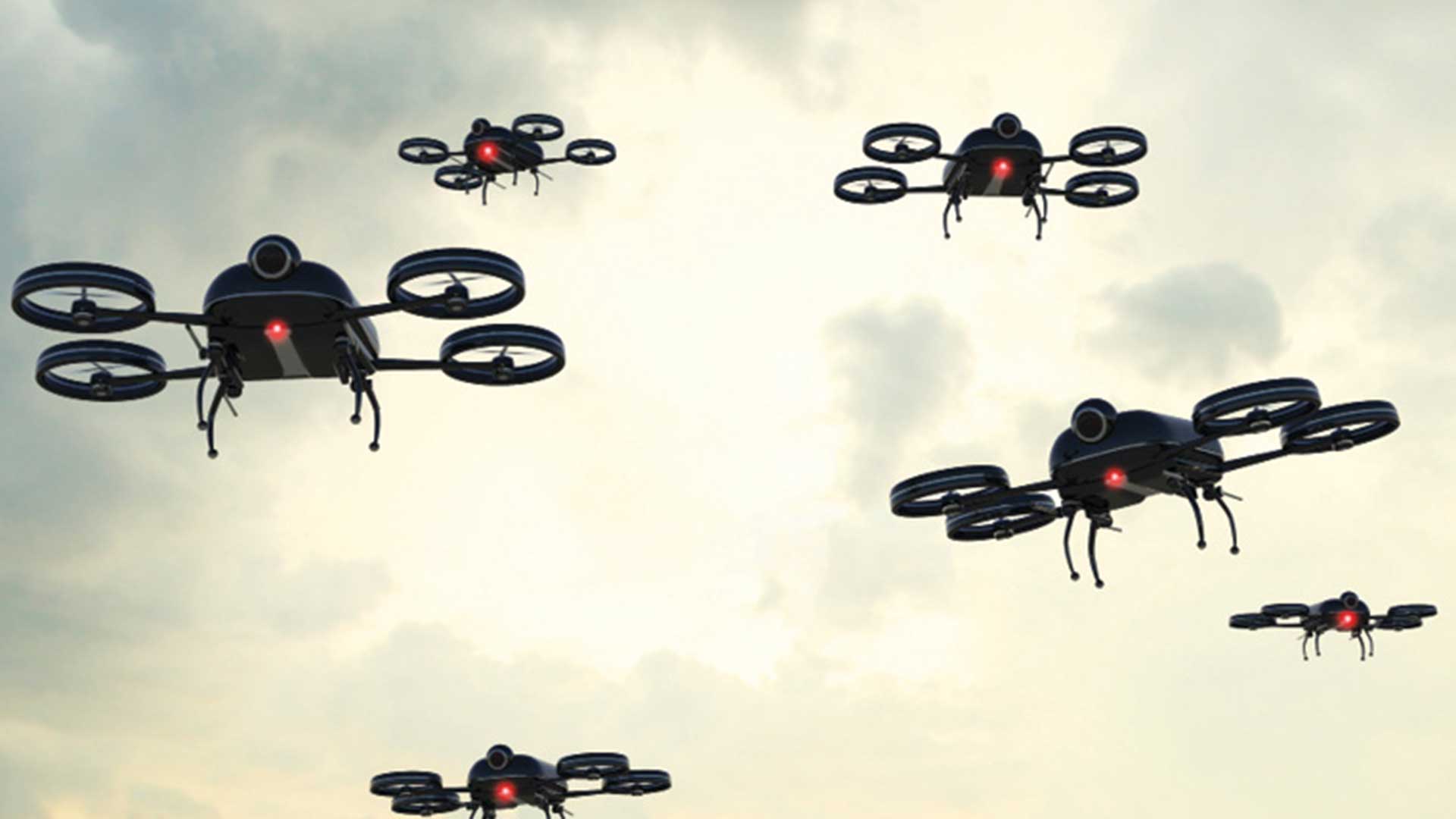
The Minneapolis Police Department is moving forward with its unmanned aerial vehicle (UAV) drone program in an effort to improve public safety despite heavy opposition from the public.

The MPD argued that the drones, which they estimate will cost taxpayers around $30,000 to $40,000, are a cheaper, safer and more effective alternative to helicopters, with greater maneuverability and without the need for a pilot in the cockpit.

The department explained that drones are a one-off purchase while helicopters cost thousands of dollars per hour to operate.

UAVs also offer unique advantages by getting more eyes on the ground, with the ability to weave between buildings, streets and alleys. They can also give officers’ a bird’s-eye view of an area by flying up to 400 feet in the sky.

Police say the technology can further help assess emergencies and natural disasters from a distance instead of putting officers in potentially dangerous situations.

The MPD assured the public that they were following state guidelines with their drone program policy.

Minnesota law allows law enforcement agencies in the state to use drones with certain limitations and privacy protections, such as requiring a warrant when using a drone that obtains biometric data or has facial recognition capabilities.

The law also requires agencies to report when they use a drone without a search warrant, the reason for its deployment and the associated cost.

MPD Commander Jonathon Kingsbury said that due to staffing shortages and less police on the streets, the department had been forced to pursue alternative public safety strategies — in this case, drone technology.

“We can cover a lot of area quickly in search of a lost child, vulnerable adult or even a suspect much more so than officers on foot or in squad cars,” Kingsbury explained.

The MPD currently has 604 sworn police officers. However, 33 of those are on continuous leave for two weeks at a time.

According to a report from the Bureau of Criminal Apprehension, agencies across the state deployed drones a total of 2,200 times in 2021.

The data showed that most of these deployments were used for police training or public relations purposes. Drones were deployed for emergency situations involving a risk of death or bodily harm to a person just 23% of the time.

Kingsbury said the department plans to use drones cautiously and has developed a strict policy for their use.

The drone policy, which will be finalized in the coming weeks, requires the department to first obtain a warrant if using a UAV to target an individual or group, prohibits the use of weapons on drones and bans the use of drones for harassment, collecting data on protests, and the surveillance of random civilians not involved in a criminal investigation.

Criminal defense attorney Joe Tamburino is a proponent of the program. He said that using drones could help boost public safety by allowing police to get to crime scenes and identify license plates more easily.

Other proponents of the program said that the technology could help limit dangerous encounters between police and civilians.

However, many community members said they don’t trust the department to adhere to their drone policy, citing accountability as a major concern.

“The last thing we need is to exacerbate the already strained relations between MPD and the citizens of Minneapolis by introducing technology that carries vast potential for abuse with little to no real meaningful public input or oversight,” Mill District resident Susan Van Pelt told the city council.

Munira Mohamed, an advocate with the coalition Safety not Surveillance, told the MinnPost that relying on technology to replace human personnel raises numerous moral issues.

“You have all of this new technology and new algorithms and new ways of surveilling people and tracking people’s data, but you need some kind of human controls, you need some kind of human element that’s able to make the decision that we want to protect people’s civil rights,” she said. “A computer shouldn’t be making any kind of decision when it comes to life and death circumstances like the criminal justice system or in law enforcement.”

The MPD has not yet acquired the equipment.

Categories: Tech Tags: UAV, drone program, Minnesota, surveillance, privacy, staffing shortage, accountability, public safety, technology, Minneapolis Police Department

Primary Sidebar

Recent Articles

  • Frankpledge to forensics: A brief history of law enforcement
  • Pushback as a training signal
  • Let’s get moving!
  • Heroes of the World Trade Center
  • The Promise Gap
  • Corruption, collusion and impunity
  • The five minutes before the ambulance
  • New Mexico license plate readers save lives, lead to “precise policing”
  • Addressing stress, vicarious trauma and burnout
  • Understanding the boundaries of professional relationships with the boss

Footer

Our Mission
To serve as a trusted voice of the nation’s law enforcement community, providing informative, entertaining and inspiring content on interesting and engaging topics affecting peace officers today.

Contact us: info@apbweb.com | (800) 234-0056.

  • Facebook
  • Instagram
  • Twitter

Categories

  • Editor’s Picks
  • On the Job
  • Labor
  • Tech
  • Training
  • Policy
  • Health/Wellness
  • Community
  • Offbeat
  • We Remember
  • Jobs and Careers
  • Events

Editor’s Picks

Let’s get moving!

Let’s get moving!

April 27, 2026

Heroes of the World Trade Center

Heroes of the World Trade Center

April 24, 2026

The Promise Gap

The Promise Gap

April 22, 2026

Corruption, collusion and impunity

Corruption, collusion and impunity

April 21, 2026

Policies | Consent Preferences | Copyright © 2026 APB Media, LLC | Website design, development and maintenance by 911MEDIA

Open

Subscribe

Close

Receive the latest news and updates from American Police Beat directly to your inbox!

  • This field is for validation purposes and should be left unchanged.