• Skip to primary navigation
  • Skip to main content
  • Skip to primary sidebar
  • Skip to footer
  • Home
  • About
  • The Magazine
  • Events
  • Partners
  • Products
  • Contact
  • Jobs and Careers
  • Advertise
  • Facebook
  • Instagram
  • Twitter
  • Subscribe
American Police Beat

American Police Beat Magazine

Law Enforcement Publication

  • Home
  • Leadership
    • Why you should lead from 30,000 feet
      Public perception and trust
      When performance reviews are a waste of time
      Taking a page from Toyota’s playbook
      Tattoos can be self-inflicted handicaps
  • Topics
    • Leadership
      • Why you should lead from 30,000 feet
        Public perception and trust
        When performance reviews are a waste of time
        Taking a page from Toyota’s playbook
        Tattoos can be self-inflicted handicaps
    • Editor’s Picks
      • Liability challenges in contemporary policing
        When performance reviews are a waste of time
        Proactive wellness visits
        Taking a page from Toyota’s playbook
        Law enforcement’s missing weapon
    • On the Job
      • Right place, right time — again
        Some good news on crime
        Mom-to-be named Cop of the Year
        Fatherly instincts save boy from icy water
        More than a call for service
    • Labor
      • Labor release under fire
        Who’s watching the watchmen?
        Crime and punishment (or lack thereof) in Seattle
        Labor leadership out in the field
        When you are falsely accused
    • Tech
      • A modern field guide to understanding research in policing
        Gear that moves with you
        A new breed of cop car
        The future of patrol is here
        New York governor highlights $24 million investment to modernize law...
    • Training
      • Navigating danger
        Critical thinking in police training
        Threshold neuroscience
        Integrated virtual reality training
        Hit the pause button
    • Policy
      • Try racing without wheels
        Law enforcement accreditation: Why it matters
        Liability challenges in contemporary policing
        The war on drugs is evolving
        Drug policy and enforcement
    • Health/Wellness
      • Nervous system regulation
        The nature of the job
        Promoting organizational wellness
        Telling cops to get more sleep isn’t working
        Proactive wellness visits
    • Community
      • Shop with a Cop
        Community engagement: What is it moving forward?
        Contradictory crossroads
        Back-to-school season brings out police support nationwide
        A bold idea for reducing homelessness in America
    • Offbeat
      • An unexpected burglar
        Police humor only a cop would understand
        Not eggzactly a perfect heist
        Pizza … with a side of alligator?
        Wisconsin man charged with impersonating Border Patrol agent twice in...
    • We Remember
      • Forty heroes: United Airlines Flight 93
        The Pentagon
        A nation propelled to war, lives changed forever
        A Christmas loss
        York County ambush leaves three officers dead, others critically...
    • HOT Mail
      • The War on Cops Continues Unabated
  • On the Job
    • Right place, right time — again
      Some good news on crime
      Mom-to-be named Cop of the Year
      Fatherly instincts save boy from icy water
      More than a call for service
  • Labor
    • Labor release under fire
      Who’s watching the watchmen?
      Crime and punishment (or lack thereof) in Seattle
      Labor leadership out in the field
      When you are falsely accused
  • Tech
    • A modern field guide to understanding research in policing
      Gear that moves with you
      A new breed of cop car
      The future of patrol is here
      New York governor highlights $24 million investment to modernize law...
  • Training
    • Navigating danger
      Critical thinking in police training
      Threshold neuroscience
      Integrated virtual reality training
      Hit the pause button
  • Policy
    • Try racing without wheels
      Law enforcement accreditation: Why it matters
      Liability challenges in contemporary policing
      The war on drugs is evolving
      Drug policy and enforcement
  • Health/Wellness
    • Nervous system regulation
      The nature of the job
      Promoting organizational wellness
      Telling cops to get more sleep isn’t working
      Proactive wellness visits
  • Community
    • Shop with a Cop
      Community engagement: What is it moving forward?
      Contradictory crossroads
      Back-to-school season brings out police support nationwide
      A bold idea for reducing homelessness in America
  • Offbeat
    • An unexpected burglar
      Police humor only a cop would understand
      Not eggzactly a perfect heist
      Pizza … with a side of alligator?
      Wisconsin man charged with impersonating Border Patrol agent twice in...
  • We Remember
    • Forty heroes: United Airlines Flight 93
      The Pentagon
      A nation propelled to war, lives changed forever
      A Christmas loss
      York County ambush leaves three officers dead, others critically...
  • HOT Mail
    • The War on Cops Continues Unabated
  • About
  • The Magazine
  • Events
  • Partners
  • Products
  • Contact
  • Jobs and Careers
  • Advertise
  • Subscribe
Search

Policy

Rhode Island bill would allow autistic drivers to have special license to alert law enforcement about their condition

APB Team Published April 6, 2023 @ 6:00 am PDT

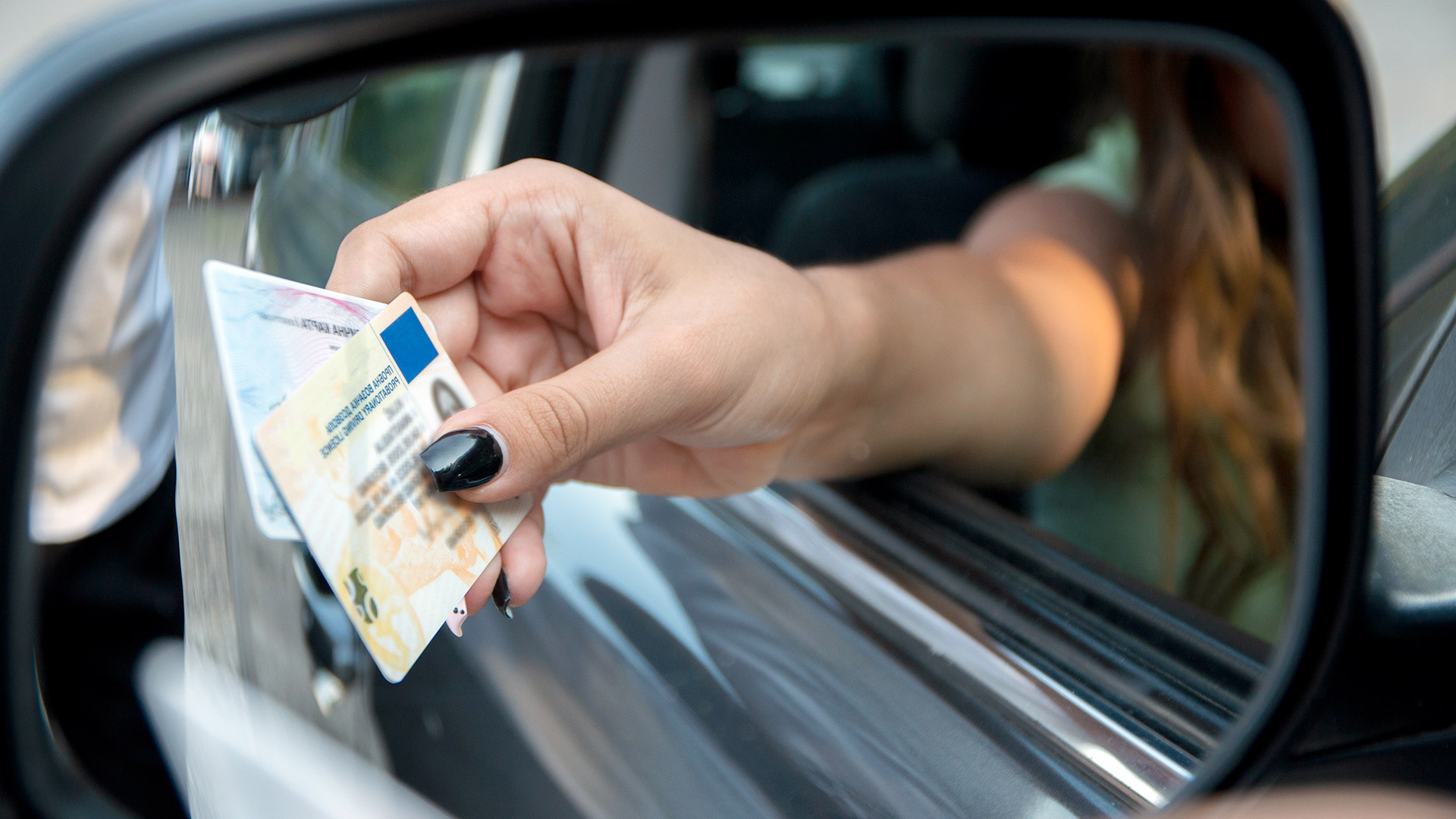
iStock.com/Anastasija Vujic

A new bill introduced in Rhode Island aims to provide an option for autistic drivers to alert law enforcement officers about their disability prior to traffic stops to prevent potentially dangerous misunderstandings.

The proposed legislation, similar to a law passed in Utah earlier this year, would allow the state’s Department of Motor Vehicles to offer optional driver’s licenses that clearly designate the driver has autism, along with decals that can be affixed to a vehicle in a “conspicuous place” to give a heads-up to police officers during traffic stops.

Drivers would also have the option to receive blue envelopes containing information on ways to enhance effective communication with police officers.

For autistic drivers, being pulled over or encountering an emergency situation while driving can be a frightening experience.

Joanne G. Quinn, the executive director of The Autism Project, emphasized the need for better communication between law enforcement officers and individuals on the autism spectrum.

“There is no way to know how you’ll react in one of those encounters … and sometimes individuals’ reactions or how they answer a question can get them into trouble with an officer who doesn’t know they’re autistic,” she said.

While supporters of the bill argue that it will improve safety for autistic drivers, some advocates have expressed concerns that the specialized license could lead to discrimination and harassment.

Mireille Sayaf, the executive director of the Ocean State Center for Independent Living, wrote a letter to the House of Representatives’ Health and Human Services Committee, stating that designating an individual’s disability in big letters on an official ID could “lead to stereotyping and breaches of the individual’s confidentiality.”

During a hearing on the bill, 17-year-old Rhode Island resident Toby Silva, who is on the autism spectrum, expressed support for the bill, saying that the goal is to avoid misunderstandings between officers and drivers with disabilities.

Quinn also supported the intention behind the bill, but suggested that the wording or markings on the licenses and car decals should be more discreet, proposing a blue dot or strip instead.

“Either it’s a pullover or a crash, they see the [marker], hopefully, they are educated to know what it is, and in the glove compartment is information about the driver,” Quinn explained. “The purpose for our community is if it’s a stop in the highway it gives the officer a heads-up.”

Rhode Island House Representative Samuel Azzinaro, who introduced the bill, stated that the language is not final, and he is open to the community’s suggestions for changes.

“We need the neurodivergent voice and we need them at the table to tell us what works best for them,” Quinn said in regard to the bill’s current language.


Categories: Policy Tags: Department of Motor Vehicles, driver’s license, autistic drivers, decal, Law Enforcement, traffic stops, legislation, bill, Rhode Island, disability

Primary Sidebar

Recent Articles

  • Nervous system regulation
  • Navigating danger
  • The nature of the job
  • Forty heroes: United Airlines Flight 93
  • Why you should lead from 30,000 feet
  • Promoting organizational wellness
  • Critical thinking in police training
  • Public perception and trust
  • Labor release under fire
  • Reminder: Apply now for the 2026 Destination Zero Awards

Footer

Our Mission
To serve as a trusted voice of the nation’s law enforcement community, providing informative, entertaining and inspiring content on interesting and engaging topics affecting peace officers today.

Contact us: info@apbweb.com | (800) 234-0056.

  • Facebook
  • Instagram
  • Twitter

Categories

  • Editor’s Picks
  • On the Job
  • Labor
  • Tech
  • Training
  • Policy
  • Health/Wellness
  • Community
  • Offbeat
  • We Remember
  • Jobs and Careers
  • Events

Editor’s Picks

Liability challenges in contemporary policing

Liability challenges in contemporary policing

February 27, 2026

When performance reviews are a waste of time

When performance reviews are a waste of time

February 26, 2026

Proactive wellness visits

Proactive wellness visits

February 25, 2026

Taking a page from Toyota’s playbook

Taking a page from Toyota’s playbook

February 23, 2026

Policies | Consent Preferences | Copyright © 2026 APB Media, LLC | Website design, development and maintenance by 911MEDIA

Open

Subscribe

Close

Receive the latest news and updates from American Police Beat directly to your inbox!

  • This field is for validation purposes and should be left unchanged.