• Skip to primary navigation
  • Skip to main content
  • Skip to primary sidebar
  • Skip to footer
  • Home
  • About
  • The Magazine
  • Events
  • Partners
  • Products
  • Contact
  • Jobs and Careers
  • Advertise
  • Facebook
  • Instagram
  • Twitter
  • Subscribe
American Police Beat

American Police Beat Magazine

Law Enforcement Publication

  • Home
  • Leadership
    • Understanding the boundaries of professional relationships with the...
      Why you should lead from 30,000 feet
      Public perception and trust
      When performance reviews are a waste of time
      Taking a page from Toyota’s playbook
  • Topics
    • Leadership
      • Understanding the boundaries of professional relationships with the...
        Why you should lead from 30,000 feet
        Public perception and trust
        When performance reviews are a waste of time
        Taking a page from Toyota’s playbook
    • Editor’s Picks
      • Liability challenges in contemporary policing
        When performance reviews are a waste of time
        Proactive wellness visits
        Taking a page from Toyota’s playbook
        Law enforcement’s missing weapon
    • On the Job
      • Villains and heroes in the Big Apple
        Right place, right time — again
        Some good news on crime
        Mom-to-be named Cop of the Year
        Fatherly instincts save boy from icy water
    • Labor
      • Cut the cops, save a dollar?
        Labor release under fire
        Who’s watching the watchmen?
        Crime and punishment (or lack thereof) in Seattle
        Labor leadership out in the field
    • Tech
      • New Mexico license plate readers save lives, lead to “precise...
        A modern field guide to understanding research in policing
        Gear that moves with you
        A new breed of cop car
        The future of patrol is here
    • Training
      • The five minutes before the ambulance
        Navigating danger
        Critical thinking in police training
        Threshold neuroscience
        Integrated virtual reality training
    • Policy
      • E-bikes spark public safety concerns
        Try racing without wheels
        Law enforcement accreditation: Why it matters
        Liability challenges in contemporary policing
        The war on drugs is evolving
    • Health/Wellness
      • Addressing stress, vicarious trauma and burnout
        Nervous system regulation
        The nature of the job
        Promoting organizational wellness
        Telling cops to get more sleep isn’t working
    • Community
      • Improving autism awareness
        Shop with a Cop
        Community engagement: What is it moving forward?
        Contradictory crossroads
        Back-to-school season brings out police support nationwide
    • Offbeat
      • An unexpected burglar
        Police humor only a cop would understand
        Not eggzactly a perfect heist
        Pizza … with a side of alligator?
        Wisconsin man charged with impersonating Border Patrol agent twice in...
    • We Remember
      • Forty heroes: United Airlines Flight 93
        The Pentagon
        A nation propelled to war, lives changed forever
        A Christmas loss
        York County ambush leaves three officers dead, others critically...
    • HOT Mail
      • The War on Cops Continues Unabated
  • On the Job
    • Villains and heroes in the Big Apple
      Right place, right time — again
      Some good news on crime
      Mom-to-be named Cop of the Year
      Fatherly instincts save boy from icy water
  • Labor
    • Cut the cops, save a dollar?
      Labor release under fire
      Who’s watching the watchmen?
      Crime and punishment (or lack thereof) in Seattle
      Labor leadership out in the field
  • Tech
    • New Mexico license plate readers save lives, lead to “precise...
      A modern field guide to understanding research in policing
      Gear that moves with you
      A new breed of cop car
      The future of patrol is here
  • Training
    • The five minutes before the ambulance
      Navigating danger
      Critical thinking in police training
      Threshold neuroscience
      Integrated virtual reality training
  • Policy
    • E-bikes spark public safety concerns
      Try racing without wheels
      Law enforcement accreditation: Why it matters
      Liability challenges in contemporary policing
      The war on drugs is evolving
  • Health/Wellness
    • Addressing stress, vicarious trauma and burnout
      Nervous system regulation
      The nature of the job
      Promoting organizational wellness
      Telling cops to get more sleep isn’t working
  • Community
    • Improving autism awareness
      Shop with a Cop
      Community engagement: What is it moving forward?
      Contradictory crossroads
      Back-to-school season brings out police support nationwide
  • Offbeat
    • An unexpected burglar
      Police humor only a cop would understand
      Not eggzactly a perfect heist
      Pizza … with a side of alligator?
      Wisconsin man charged with impersonating Border Patrol agent twice in...
  • We Remember
    • Forty heroes: United Airlines Flight 93
      The Pentagon
      A nation propelled to war, lives changed forever
      A Christmas loss
      York County ambush leaves three officers dead, others critically...
  • HOT Mail
    • The War on Cops Continues Unabated
  • About
  • The Magazine
  • Events
  • Partners
  • Products
  • Contact
  • Jobs and Careers
  • Advertise
  • Subscribe
Search

Policy

Baltimore Police Department proposes new drone policy, seeks public input

APB Team Published July 14, 2023 @ 9:55 am PDT

iStock.com/pixelfit

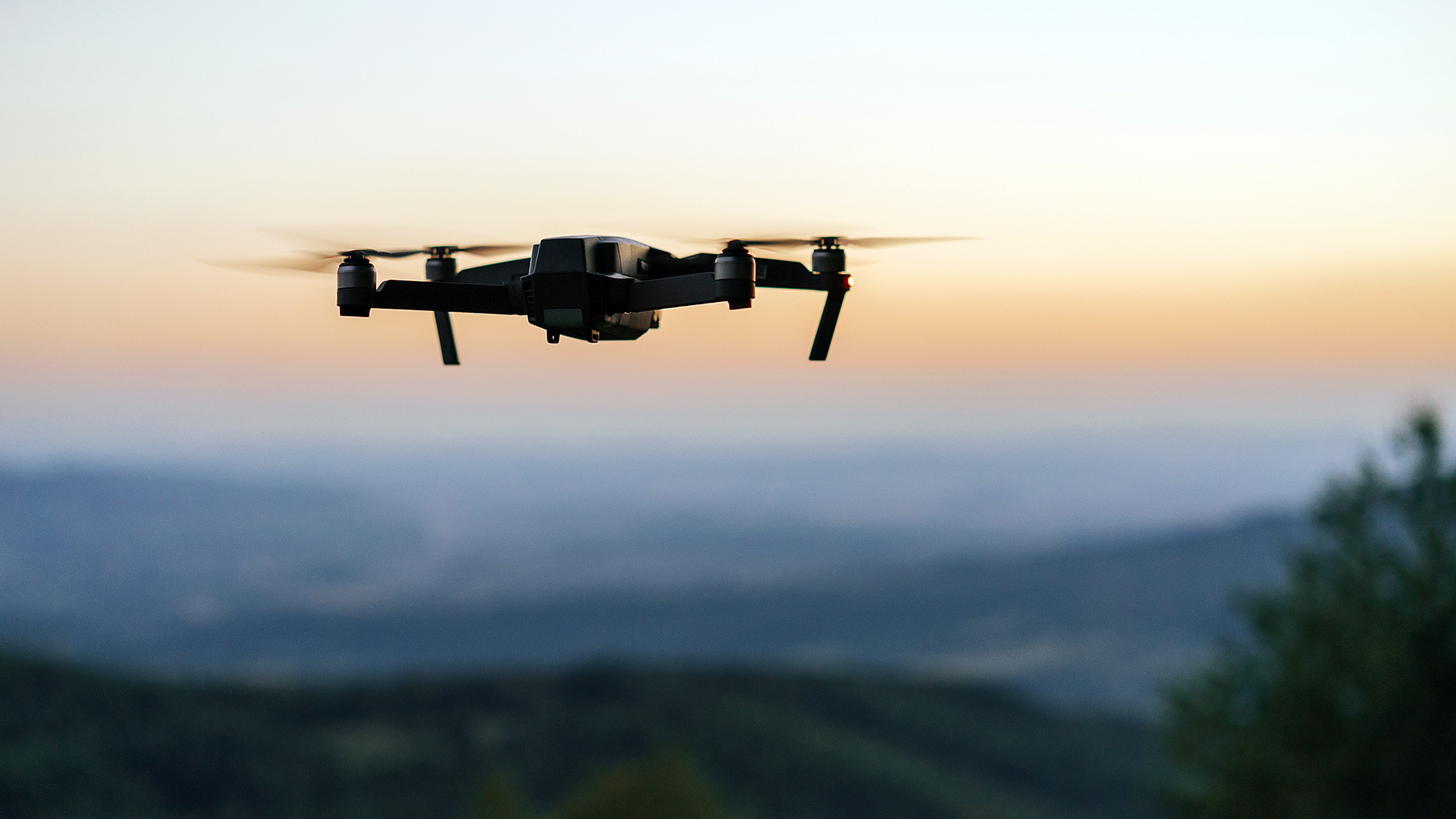
The Baltimore Police Department (BPD) is preparing to release the draft of a new drone policy that would permit the use of drones — or small unmanned aircraft systems (sUAS) — for specific law enforcement operations.

The proposed policy, named Draft Policy 1512: Small Unmanned Aircraft System, aims to leverage the aerial technology to enhance crime scene investigation and surveillance during SWAT missions.

The BPD has since encouraged community feedback on the draft policy, recognizing the importance of public input in shaping their operational guidelines.

Under the proposed policy, the BPD Crime Scene Unit intends to utilize drones for evidence collection at crime scenes.

According to a statement from the BPD, drones can facilitate a more “efficient, cost-effective and safer alternative to documenting scenes, while simultaneously capturing images and aerial documentation that present a true and accurate representation of the scene for investigators and for use in a court of law.”

Officials say the aerial images captured by drones would also provide investigators with accurate representations of crime scenes, aiding their work and potentially serving as evidence in court proceedings.

The draft policy outlines various use cases for drone technology within the department, including scenarios such as barricade situations, hostage rescues, active shooters, high-risk raids and search-and-rescue operations. These applications aim to provide law enforcement officers with safer, more efficient and legally sound methods for information gathering and apprehension of suspects during tactical situations.

To ensure responsible use, pilots operating the drones would be required to complete a preparation course that covers Federal Aviation Administration (FAA) regulations and pass the FAA Unmanned Aircraft General – Small (UAG) exam.

They would also need to attend sUAS remote pilot trainings, which would focus on mastering proper maneuvers, adhering to industry standards, and understanding sUAS policies.

While the Baltimore Police Department is considering the use of drones in their operations, they are not the first law enforcement agency to do so. In 2017, the Los Angeles Police Department approved a controversial drone program, indicating a growing trend in utilizing unmanned aerial vehicles for law enforcement purposes.

In light of the proposed policy, the Baltimore Police Department is actively seeking feedback from the community. Starting from July 6, community members can provide their input on the BPD website regarding the use of drones in law enforcement operations.

Local residents in Baltimore have expressed varying opinions on the matter. Some support the use of drones as efficient crime-solving methods, while others voiced concerns about privacy and potential misuse of the technology.

Trust issues between law enforcement agencies and certain communities have also been raised, given historical instances of targeting vulnerable populations.

“No good. Ain’t going to work, plain and simple. Drugs, thugs, child support and, of course, corruption. It’s just a bad idea, waste of money,” Baltimore resident Tom McGraw told WBALTV.

Critics have also pointed to the Baltimore Police Department’s controversial history regarding the use of surveillance technology, citing a “spy plane” was ruled unconstitutional by a federal appeals court in 2021, as well as their implementation of facial recognition technology in criminal investigations.

According to officials, Draft Policy 1512 was crafted in collaboration with the U.S. Department of Justice and members of the federal consent decree monitoring team to ensure transparency and adherence to legal and ethical standards.

While concerns regarding privacy and oversight exist, the draft policy states that drone usage will be limited to  “investigative purposes when the subjects and materials are positioned in places or distanced such that gaining access or capturing the full scope of the scene would be hazardous or impossible for personnel to achieve by foot.”

Additionally, drones will be permitted for circumstances that involve protecting human life, subject to the approval of the police commissioner, except when part of a SWAT mission.

Both the Baltimore police and the American Civil Liberties Union (ACLU) have yet to respond to requests for interviews regarding the proposed drone policy.


Categories: Policy Tags: controversy, drone policy, small unmanned aircraft, aerial policing, evidence collection, surveillance, Baltimore Police Department, FAA, SWAT, facial recognition

Primary Sidebar

Recent Articles

  • The five minutes before the ambulance
  • New Mexico license plate readers save lives, lead to “precise policing”
  • Addressing stress, vicarious trauma and burnout
  • Understanding the boundaries of professional relationships with the boss
  • E-bikes spark public safety concerns
  • Improving autism awareness
  • Cut the cops, save a dollar?
  • Villains and heroes in the Big Apple
  • NLEOMF announces February 2026 Officers of the Month
  • Fallen law enforcement officers from across the country to be honored during 38th Annual Candlelight Vigil on May 13 in Washington, D.C.

Footer

Our Mission
To serve as a trusted voice of the nation’s law enforcement community, providing informative, entertaining and inspiring content on interesting and engaging topics affecting peace officers today.

Contact us: info@apbweb.com | (800) 234-0056.

  • Facebook
  • Instagram
  • Twitter

Categories

  • Editor’s Picks
  • On the Job
  • Labor
  • Tech
  • Training
  • Policy
  • Health/Wellness
  • Community
  • Offbeat
  • We Remember
  • Jobs and Careers
  • Events

Editor’s Picks

Liability challenges in contemporary policing

Liability challenges in contemporary policing

February 27, 2026

When performance reviews are a waste of time

When performance reviews are a waste of time

February 26, 2026

Proactive wellness visits

Proactive wellness visits

February 25, 2026

Taking a page from Toyota’s playbook

Taking a page from Toyota’s playbook

February 23, 2026

Policies | Consent Preferences | Copyright © 2026 APB Media, LLC | Website design, development and maintenance by 911MEDIA

Open

Subscribe

Close

Receive the latest news and updates from American Police Beat directly to your inbox!

  • This field is for validation purposes and should be left unchanged.